
3 Days in Rome, Italy: Complete Itinerary for First-Time Visitors + Map
This site contains affiliate links and is a member of the Amazon Associates Program. At no additional cost to you, I may receive a commission from these links. I only make recommendations based on my experience. See my Disclosure Policy for more info.
See more Travel HerStory in Google
Add me as a preferred source in Top Stories and AI Mode.

Rome drew more than 20 million visitors in 2024, and most first-timers struggle with the same overwhelming question: how do you see 2,000+ years of history in just three days?
Because of its popularity, without proper planning, you’ll waste precious hours in endless lines at the Vatican, miss unique opportunities like touring the Colosseum’s underground (which I missed), pay inflated tourist prices, and leave feeling like you barely scratched the surface.
I visited Rome solo in June 2015 to explore the Vatican, the Roman Forum, the Colosseum, and other major landmarks in Italy’s capital. This 3 days in Rome itinerary allowed me to do so without feeling rushed or unsafe as a woman traveling alone.
This day-by-day guide includes how much time to spend at attractions, money-saving tips, and essential knowledge on everything from Vatican dress codes to safely navigating Rome’s public transportation, so you leave feeling like you truly saw the Eternal City.
Are 3 days in Rome, Italy, enough?
Yes, 3 days in Rome is enough. The best way to plan an itinerary is to assign one zone to each day: the Vatican on Day 1; the Colosseum, Roman Forum, and Pantheon on Day 2; and Santa Maria Maggiore, the Spanish Steps, and the Trevi Fountain on Day 3. Grouping sights this way cuts down on backtracking and time in lines. I built this route based on my solo trip in June 2015. It’s best for first-timers who want the major landmarks without rushing.
3 Days in Rome at a Glance
| Day | Focus | Highlights |
|---|---|---|
| Day 1 | Vatican City & Historic Rome | The Vatican Museums, St. Peter’s Basilica, and climbing St. Peter’s dome |
| Day 2 | Ancient Rome & Colosseum | The Colosseum, Roman Forum, Pantheon, and Piazza Navona |
| Day 3 | Churches, Trevi Fountain & Rome Icons | Basilica di Santa Maria Maggiore, the Spanish Steps, and the Trevi Fountain |

An Action-Packed 3-Day Rome Itinerary
St. Peter’s Square can close on Wednesday mornings for the papal audience, so Day 1 works best on a Monday, Tuesday, Thursday, Friday, or Saturday.
When I arrived in Rome that afternoon (Day 0), the first thing I did was check into my hostel, Comics Guesthouse. It’s a great pick if you’re looking for affordable accommodation in Rome’s center.
After that, I walked around Rome at night to see the Eternal City lit up.
🕰️ What’s Changed Since My Visit
I visited Rome in June 2015, so here’s what’s different now:
- Trevi Fountain: As of February 2026, there’s a €2 fee to get up close (free after 10 p.m. until 9 a.m.).
- Spanish Steps: Sitting on the steps is now restricted.
- Pantheon: Entry is no longer free, except on the first Sunday of every month.
Day 1: Visit Vatican City and Rome’s Ancient Entrance
On my first full day, I picked up the Omnia card (a tourist pass) at the Vatican.
You can read more about why I don’t recommend it in my dedicated post, but I’m mentioning it here so you don’t get duped into overpaying!
Then I toured the Vatican Museums! However, I’m going to reverse my 3-day Rome itinerary for this day, especially if you’re planning to visit Italy in the summer.
It was hot when I visited in June (high of 85° F / 29° C), so a long skirt, especially when going to climb St. Peter’s Basilica, wasn’t the most comfortable in the afternoon heat.
If I did it again, I’d wear light pants to adhere to the Vatican’s dress code (shoulders and knees covered).
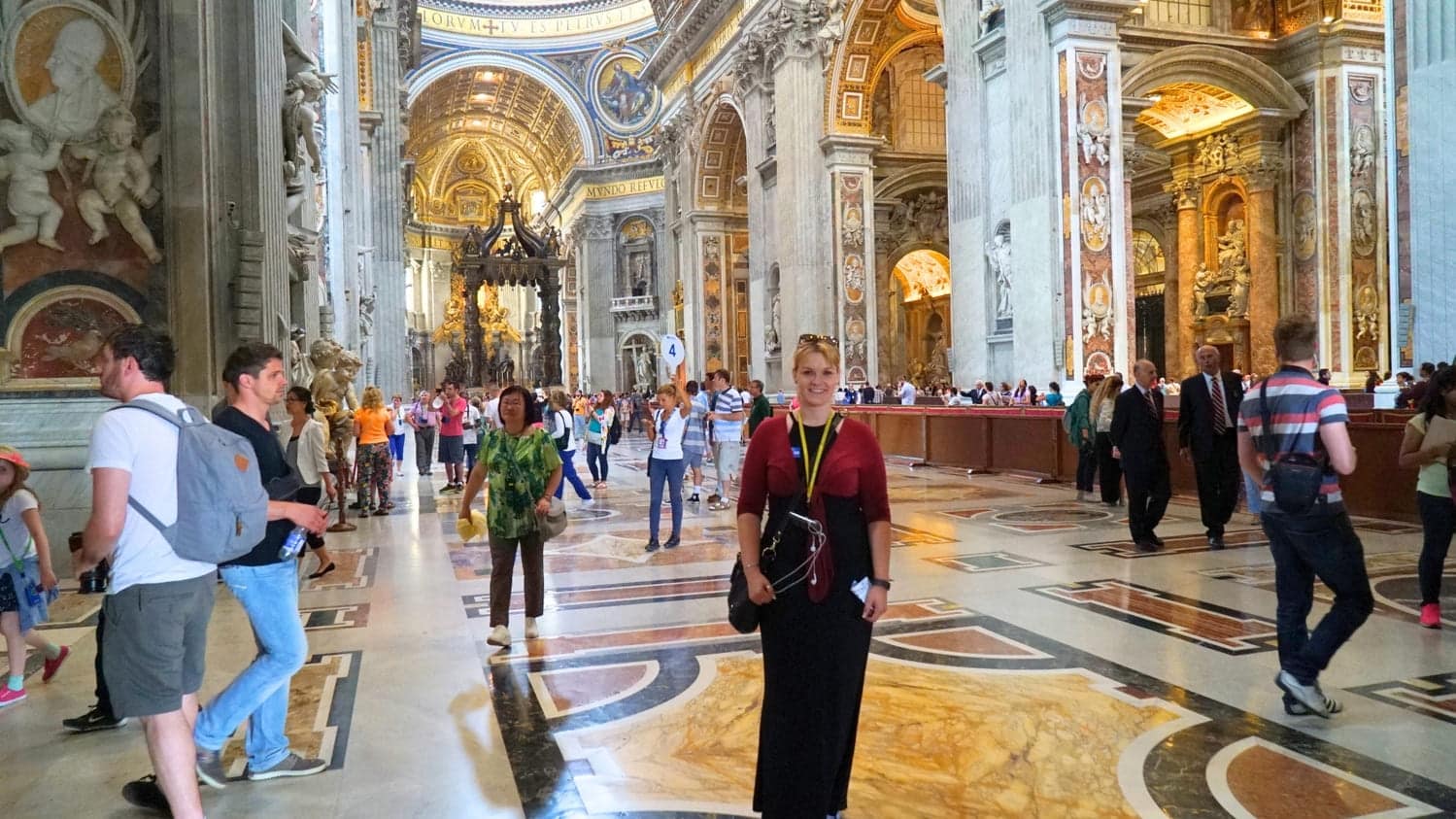
💡 Travel Tip: I’d highly recommend that you head over early or book an early morning tour to avoid the crowds at both the Vatican Museums and St. Peter’s Basilica.
The Vatican & Climbing St Peter’s Basilica Dome
The Papal Basilica of St. Peter in the Vatican, or simply St. Peter’s Basilica, is an Italian Renaissance church in Vatican City.
St. Peter’s Basilica is one of the few things to do in Rome for free!
However, you’ll still need to pass through security, and since you’re on a bit of a time crunch with only 3 days in Rome, you should buy a ticket with ‘skip-the-line’ access.
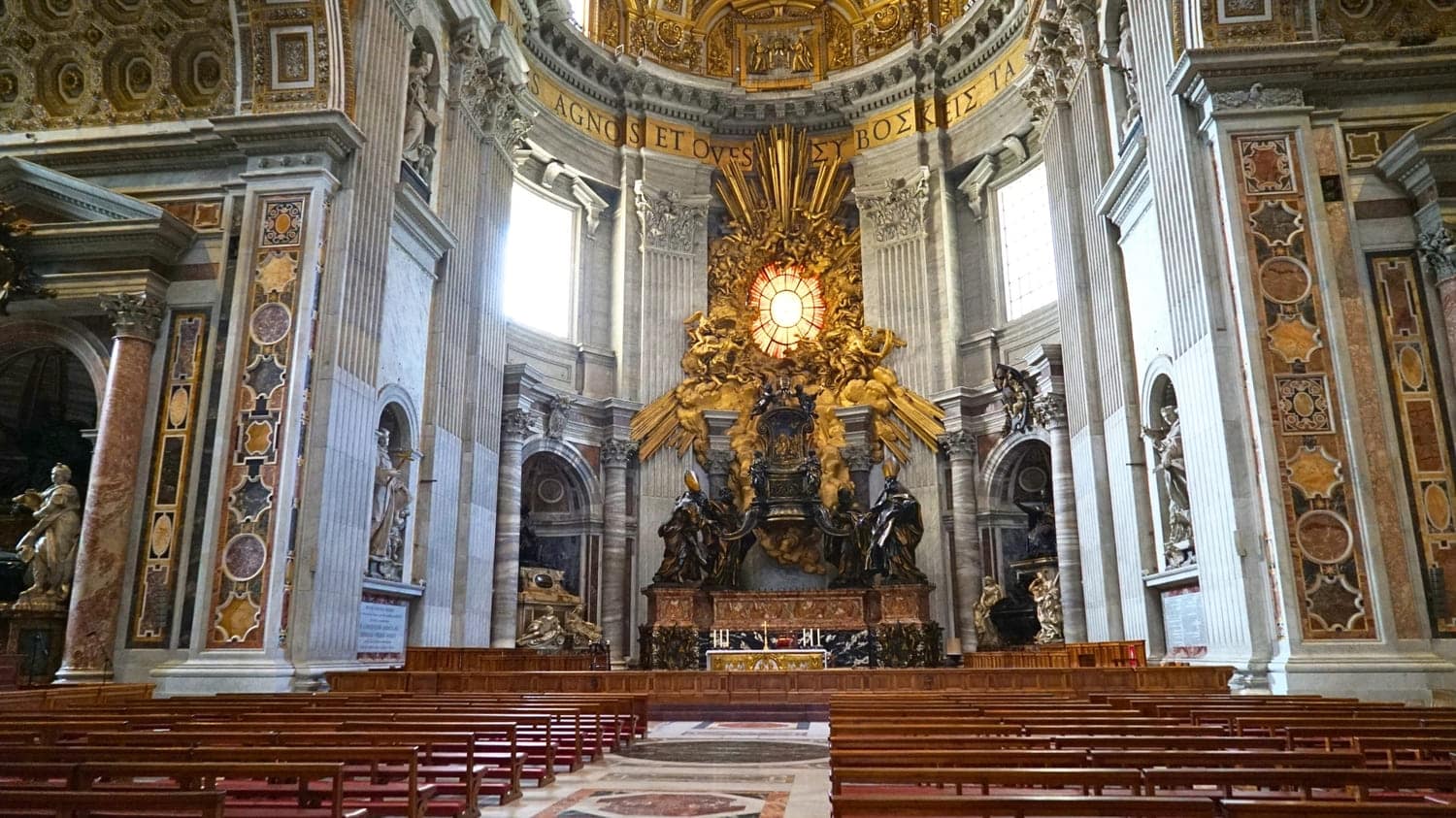
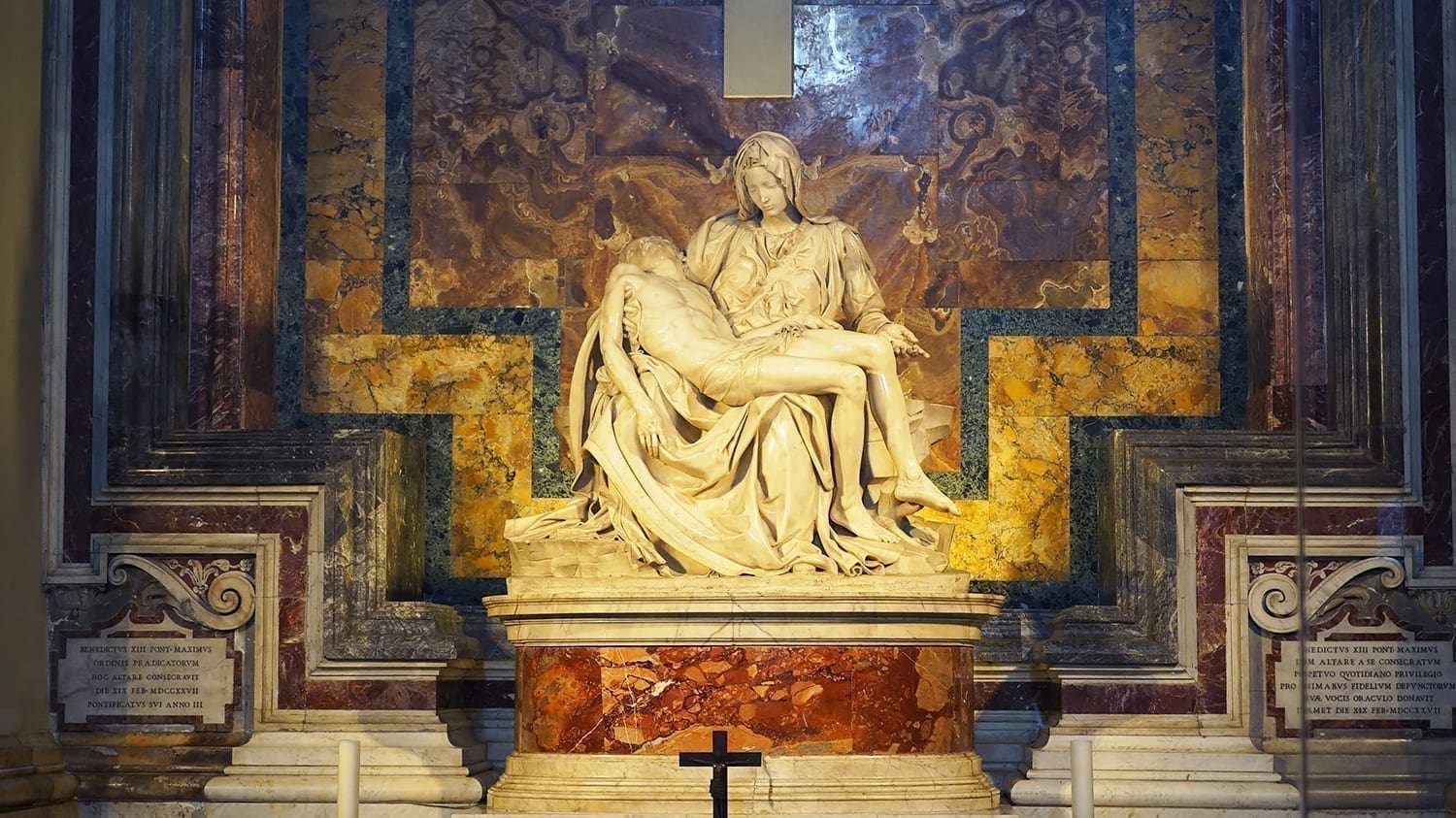
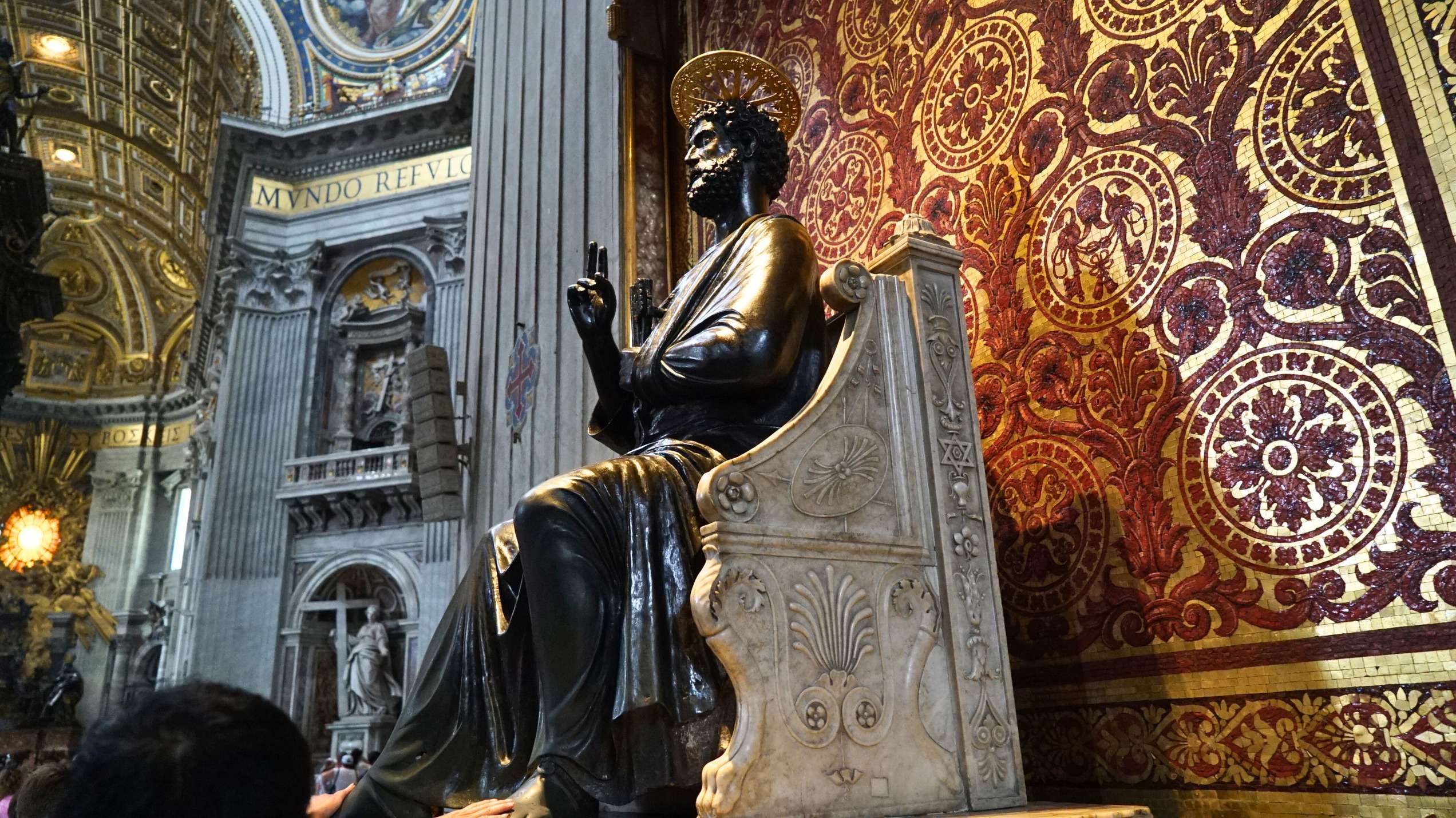

Other than ogling all the wonderful art within the church, such as The Pietà (1498–1499), which is the only piece Michelangelo ever signed, you can also climb St. Peter’s dome for an impressive view of Rome!
It’s an unforgettable, must-see view when visiting Italy’s capital.
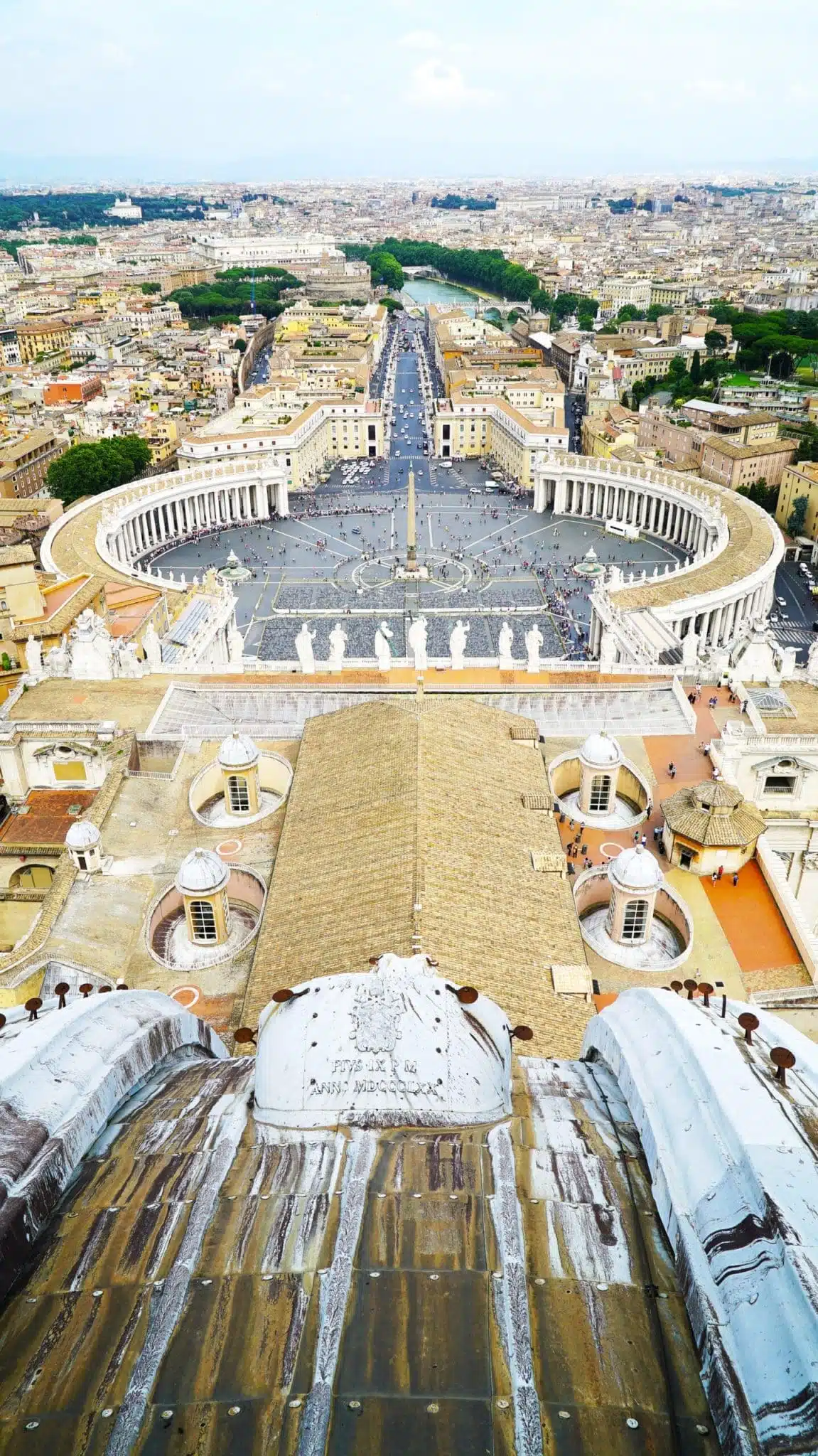
To get to the dome, follow the signs for “Cupola” inside St Peter’s Basilica until you reach the ticket office.
You can book a ticket to climb the dome by stairs or by elevator (lift) part of the way, then by stairs.
- Basilica + Dome with stairs – €17
- Basilica + Dome with lift – €22
**Prices last verified February 2026
Reserve tickets in advance either way, or you’ll likely be stuck in a line.
⏳ Duration: 2-3 hours
⛪ DON’T wait to book Vatican tickets! This is Rome’s most popular site! To climb the dome, separate tickets are required because only a limited number of people are allowed to ascend at a time 🎟️
The Vatican Museums
Because they’re right next to St. Peter’s Basilica, the Vatican Museums are easy to reach, just a short walk across St. Peter’s Square.
The Vatican Museums are Christian art museums in Vatican City that display collections amassed by popes over the centuries.
The Museums contain roughly 70,000 works, of which 20,000 are on display.
There are 54 galleries inside the Vatican Museums, with the Sistine Chapel, notably, being the last room visited.
Other notable areas include the Gallery of Geographical Maps, the Chapel of St. Peter Martyr, the Vatican Library (Salone Sistino), the Pio-Clementino Museum, and the Chiaramonti Museum.
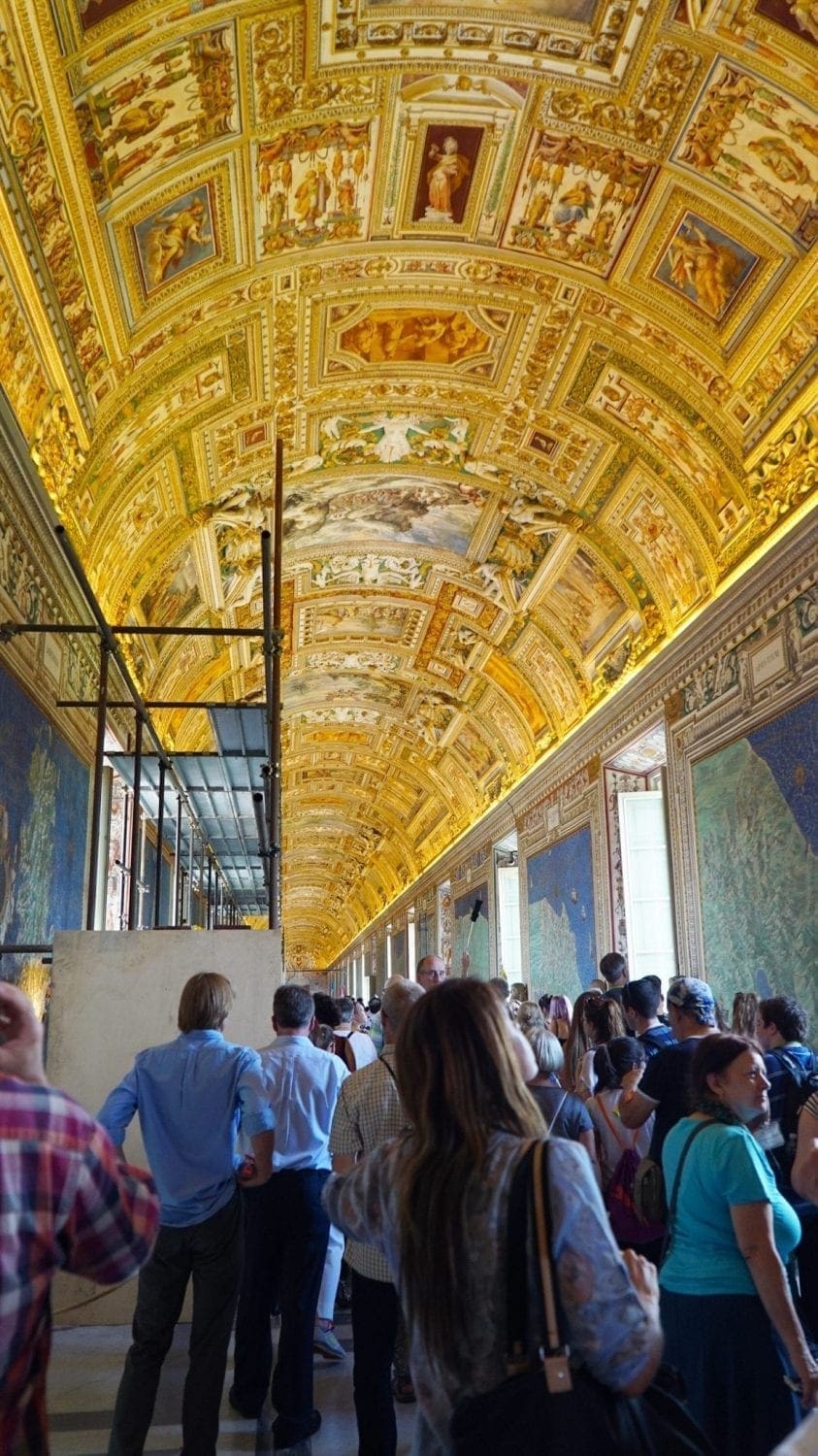
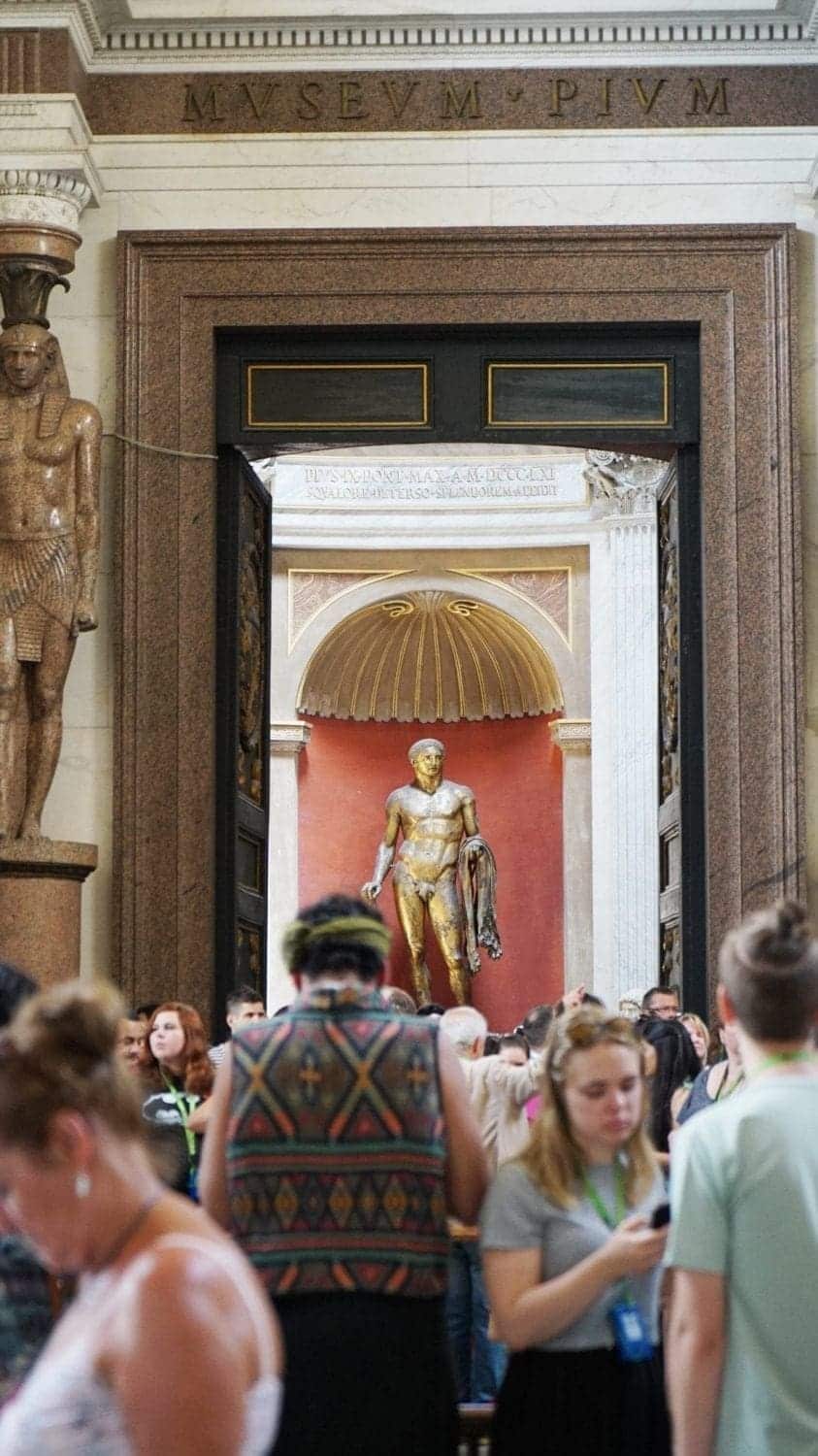
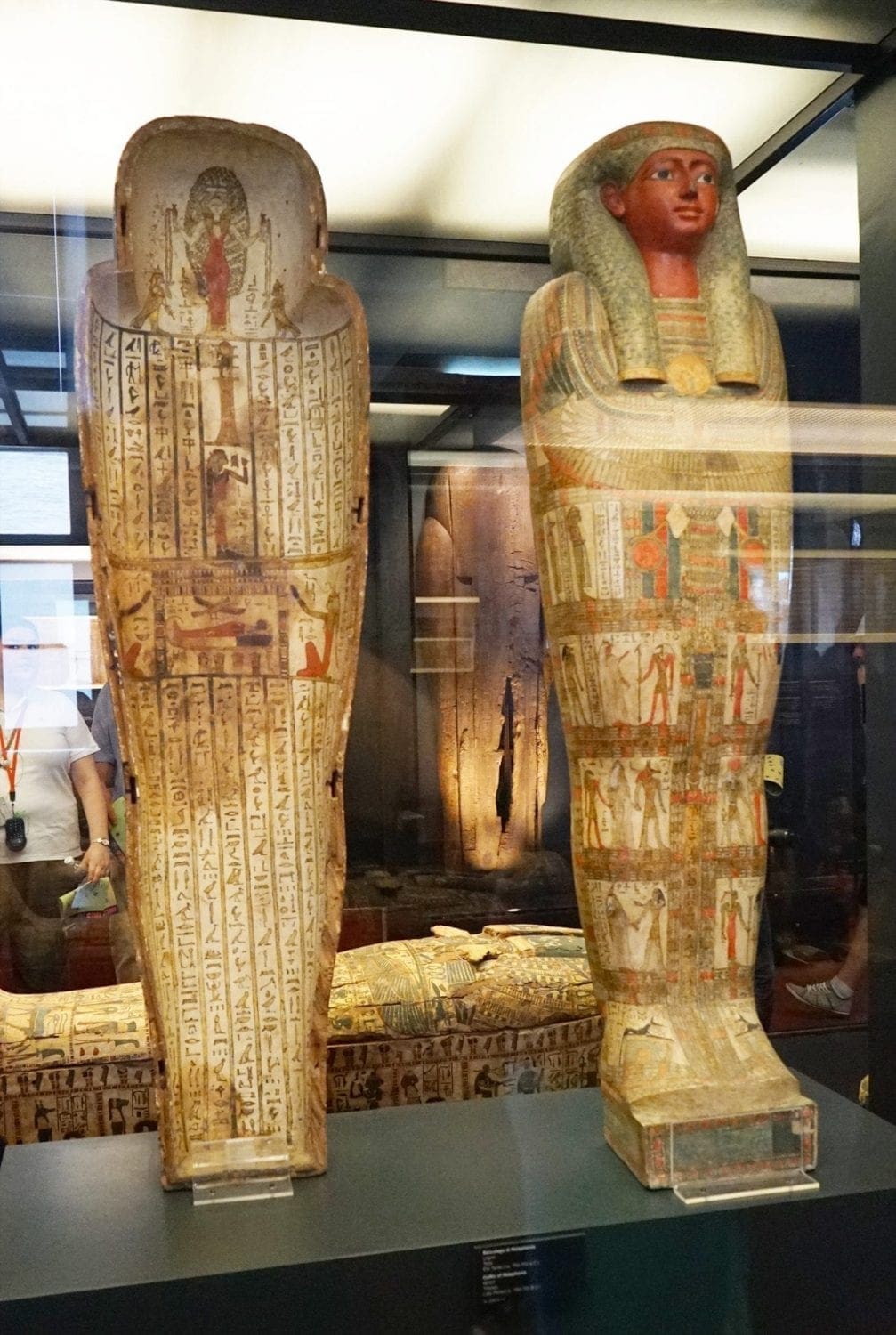
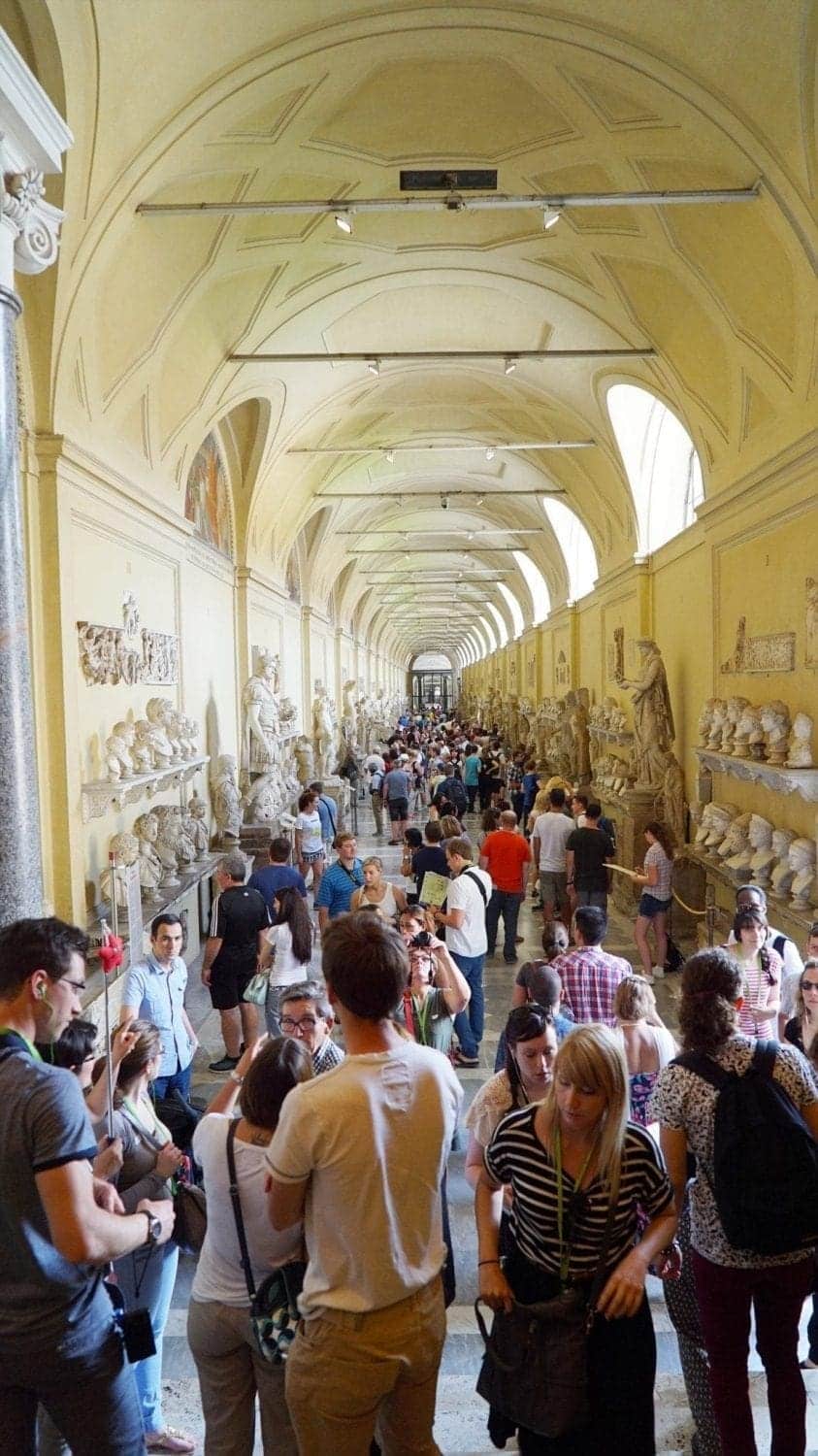
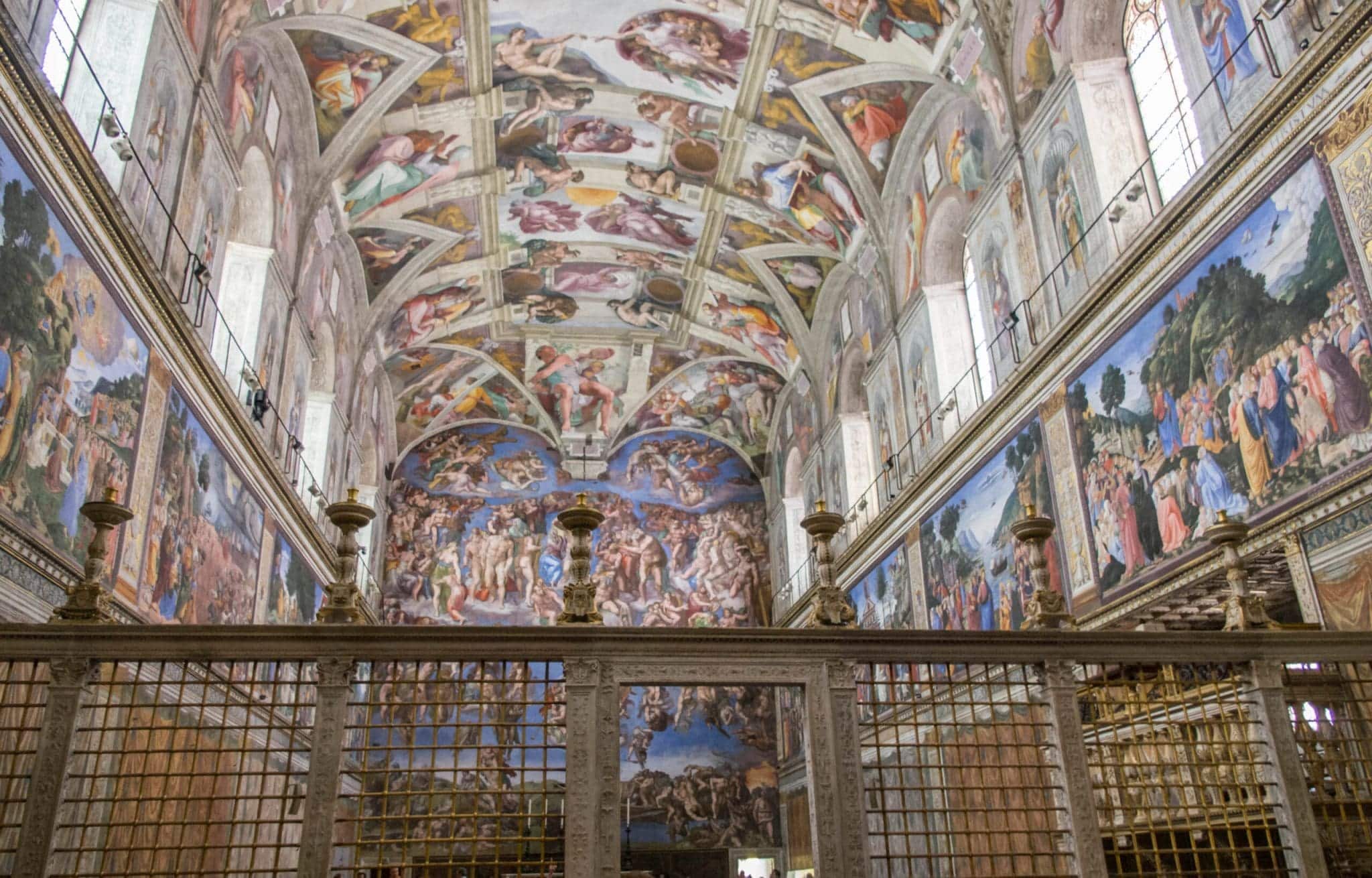
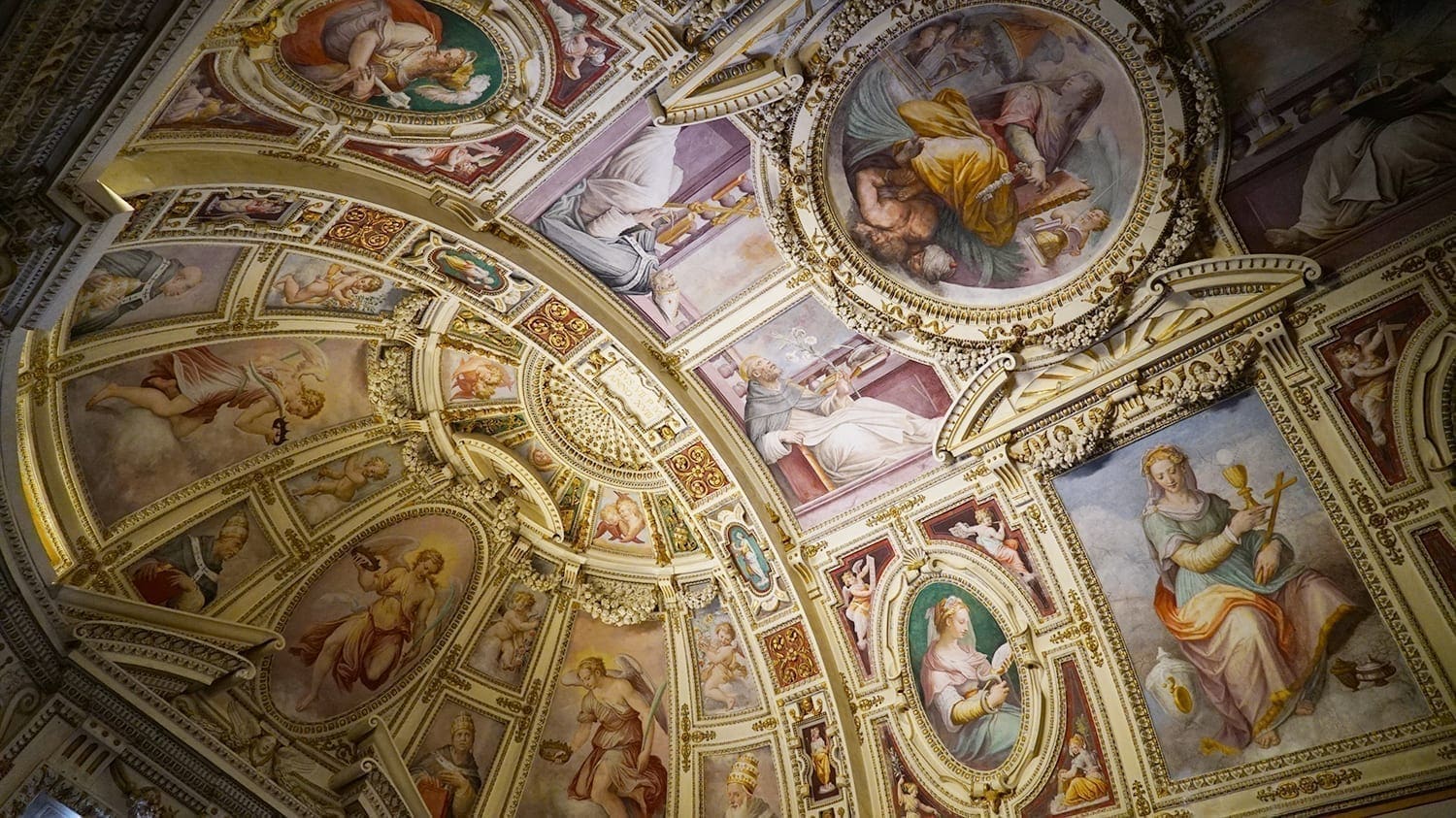
As someone who’s not big on art museums, I still found a visit to the Vatican Museums worth it, even solely for the Sistine Chapel, which is a must-see on any 3-day Rome itinerary!
⏳ Duration: 3-4 hours
🎧 Audioguides: Available for an additional fee
🖼️ Tickets on the official website are the cheapest, but if you want to bundle, guided tours may save you money! Either way, reservations are advisable so you don’t get stuck in a line 🎟️
Note: The Vatican Museums are closed on Sundays, except the last Sunday of each month, unless that Sunday falls on the Feast of Saints Peter and Paul.
Piazza del Popolo
Piazza del Popolo is a large square that used to be a traveler’s first glimpse of the Eternal City upon arrival.
As a significant part of Rome’s historic center, it also served as a site for public executions, the last of which occurred in 1826.
In modern Italian, the name means “People’s Square,” but historically it derives from the poplars (Populus in Latin, pioppo in Italian), which gave its name to the church of Santa Maria del Popolo, situated in the northeast corner of the piazza.


You can discover an incredible amount of amazing art in this area! The statues, buildings, and architecture astounded me.
If you’re a fan of visiting filming locations, in the movie Angels and Demons (one of my favorite films set in Europe), Robert and Vittoria drive around the obelisk at the center of Piazza del Popolo while discussing its connection to the Illuminati.
This piazza was also featured in the film To Rome with Love.
Admittedly, this was super close to my hostel, which is partly why I visited after a full day in Vatican City.
However, there are also a bunch of restaurants in this area, which are perfect for a dinner while people-watching in the Popolo.
⏳ Duration: 15 minutes (or more if dining)
Cost: Free!
Day 2: Walking in the Footsteps of Ancient Rome
On my second day in Rome, I took the hop-on, hop-off bus tour from the Omnia Card to the Colosseum.
It was the one thing I really loved about the Omnia Card: you could listen to an audioguide on your way there and see some of Rome along the way, rather than taking the underground.
The Colosseum
The Colosseum is iconic and a UNESCO World Heritage Site, so when you visit Rome, it’s a must on your 3-day Rome itinerary!
Originally built as an amphitheater for gladiatorial contests and public spectacles, it has 2,000 years of history and is one of the world’s most well-known structures.
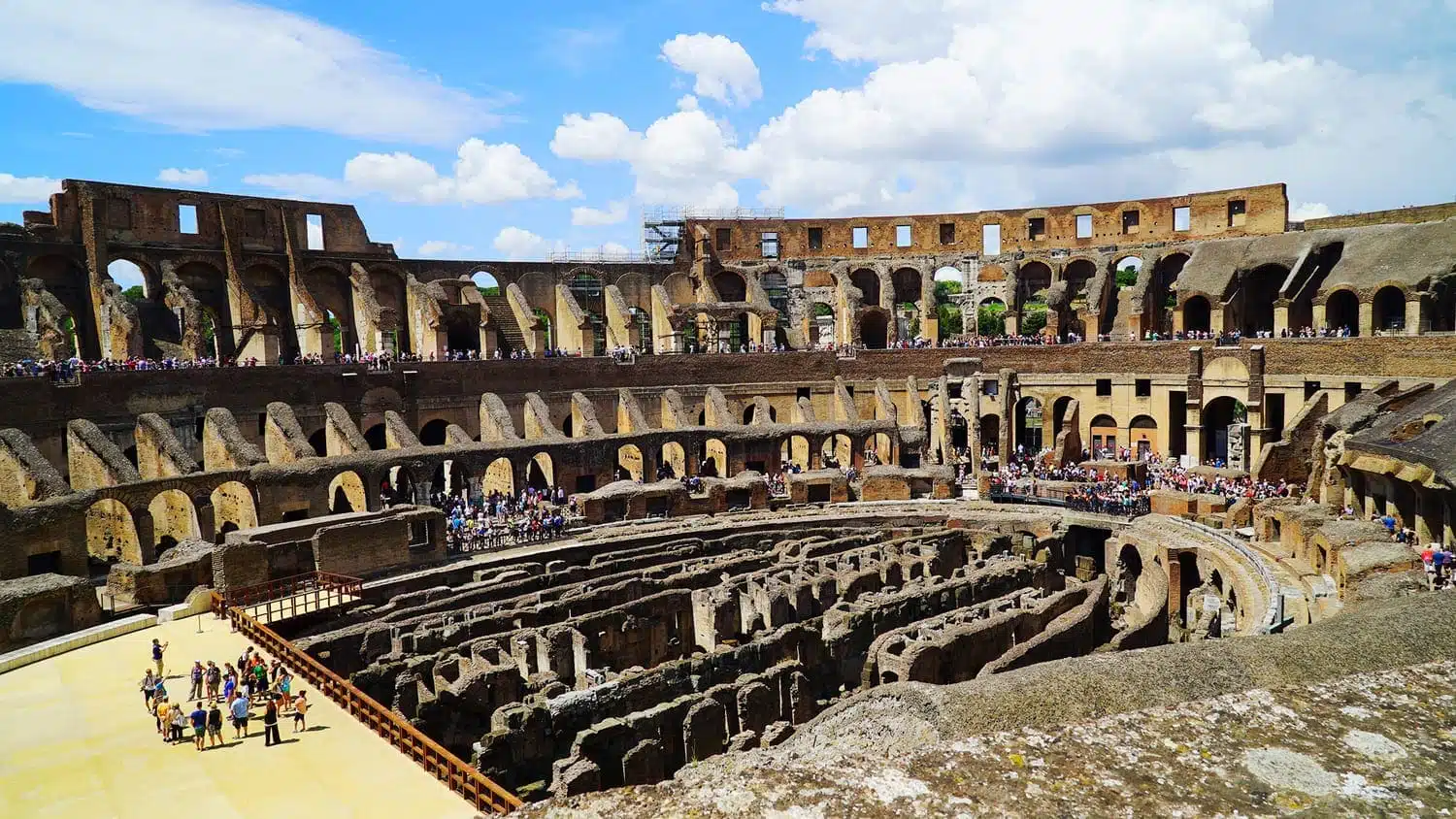
Depending on which ticket you get will dictate what you can see.
With my Omnia Card, I explored the top-tier walkways, exhibitions, and artifacts.
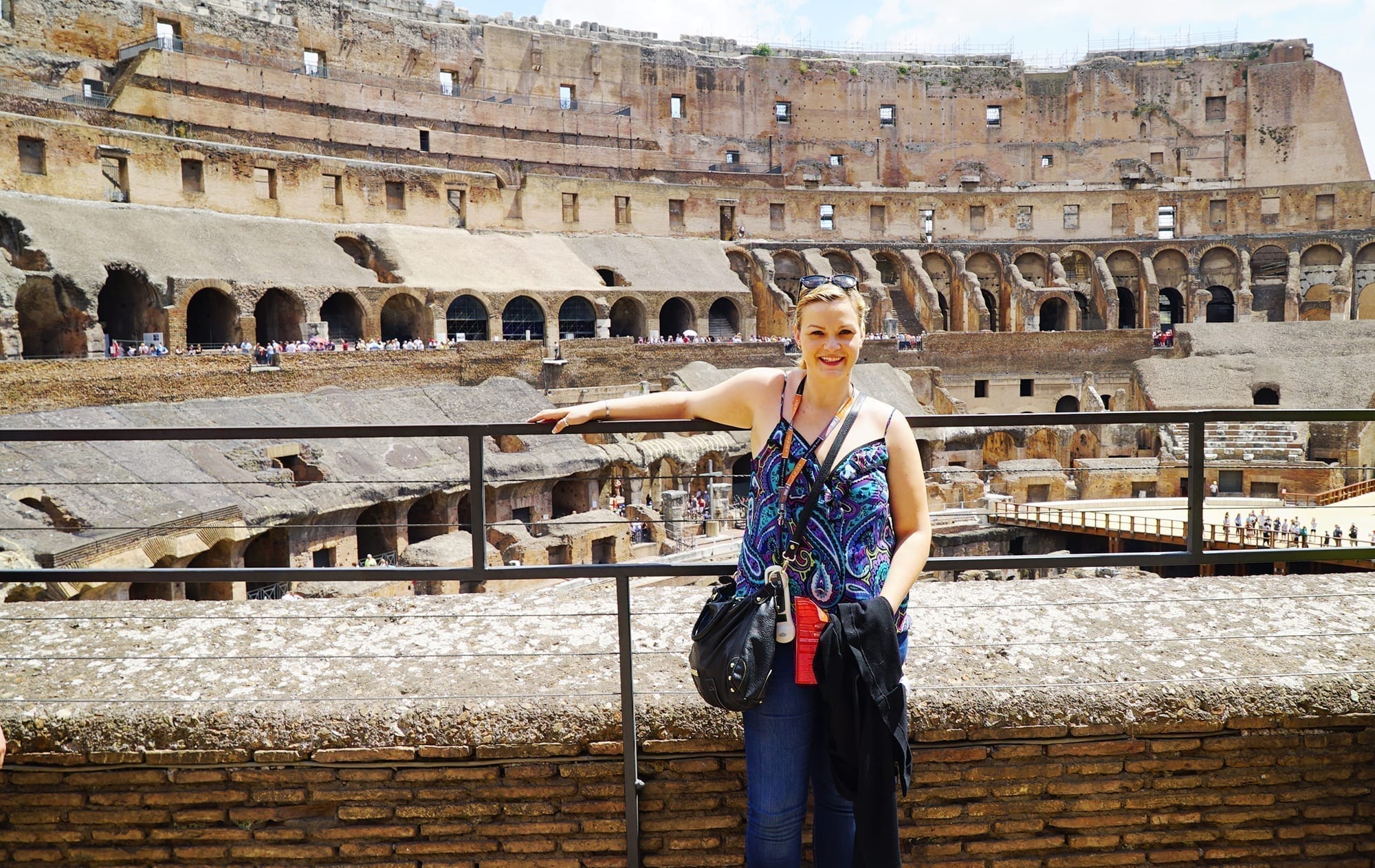


Important note: the Omnia Card does not cover tours of the underground structure.
Many friends had told me to go on this tour. However, had I known it would sell out so quickly, I would have booked it in advance.
So, unfortunately, I missed out, but you don’t have to if you’re quick enough! It’s one of my biggest regrets about my 3 days in Rome.
⏳ Duration: 1 hour (~2 if you do the underground)
🏟️ Book online in advance (up to 30 days) so you can pick exactly what you’d like to tour, such as the underground section, as it sells out fast! 🎟️
The Roman Forum and Palatine Hill
Right next to the Colosseum, you’ll find the Roman Forum and Palatine Hill.
It is a rectangular forum or plaza surrounded by the ruins of the ancient Roman city.


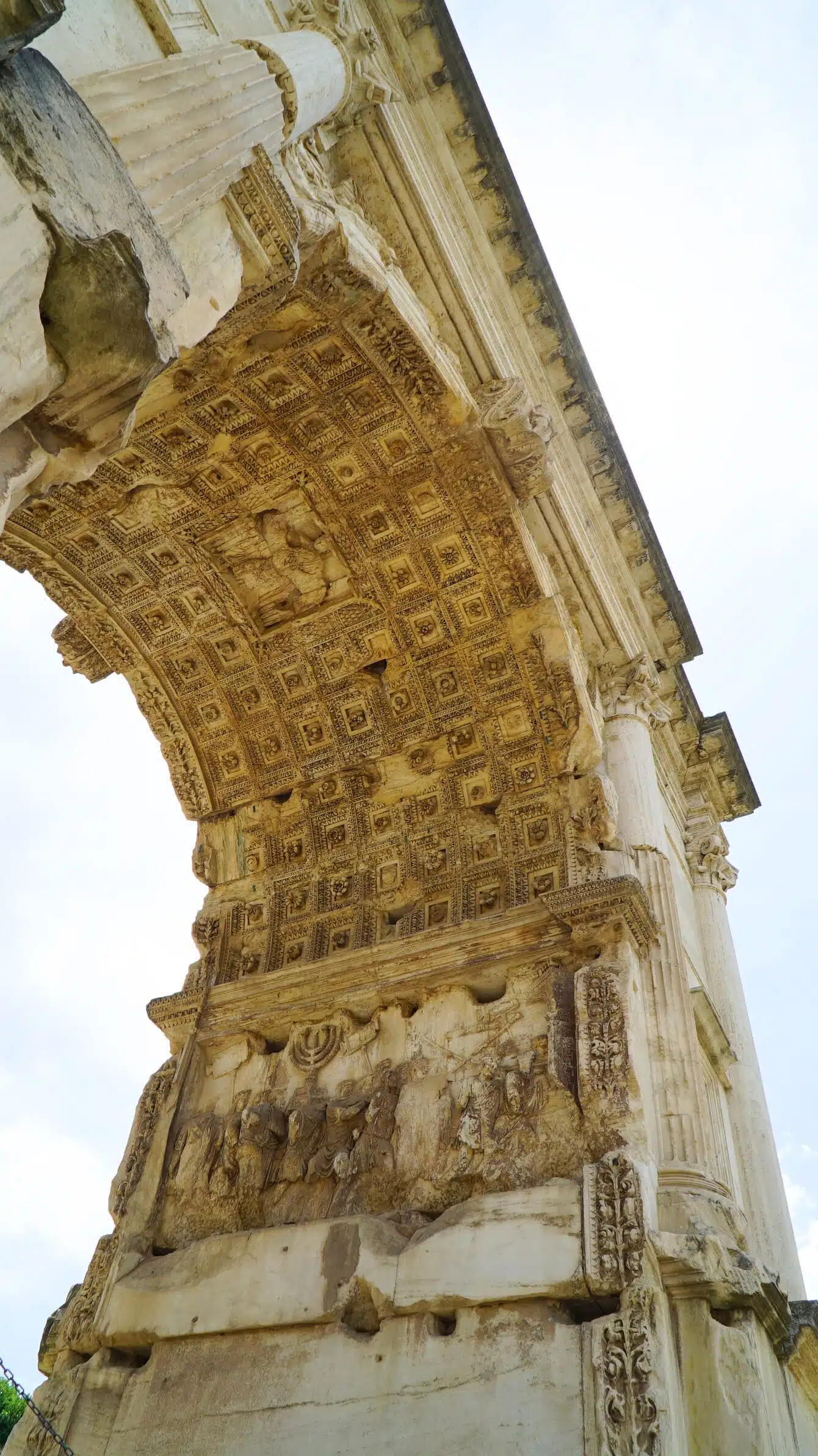
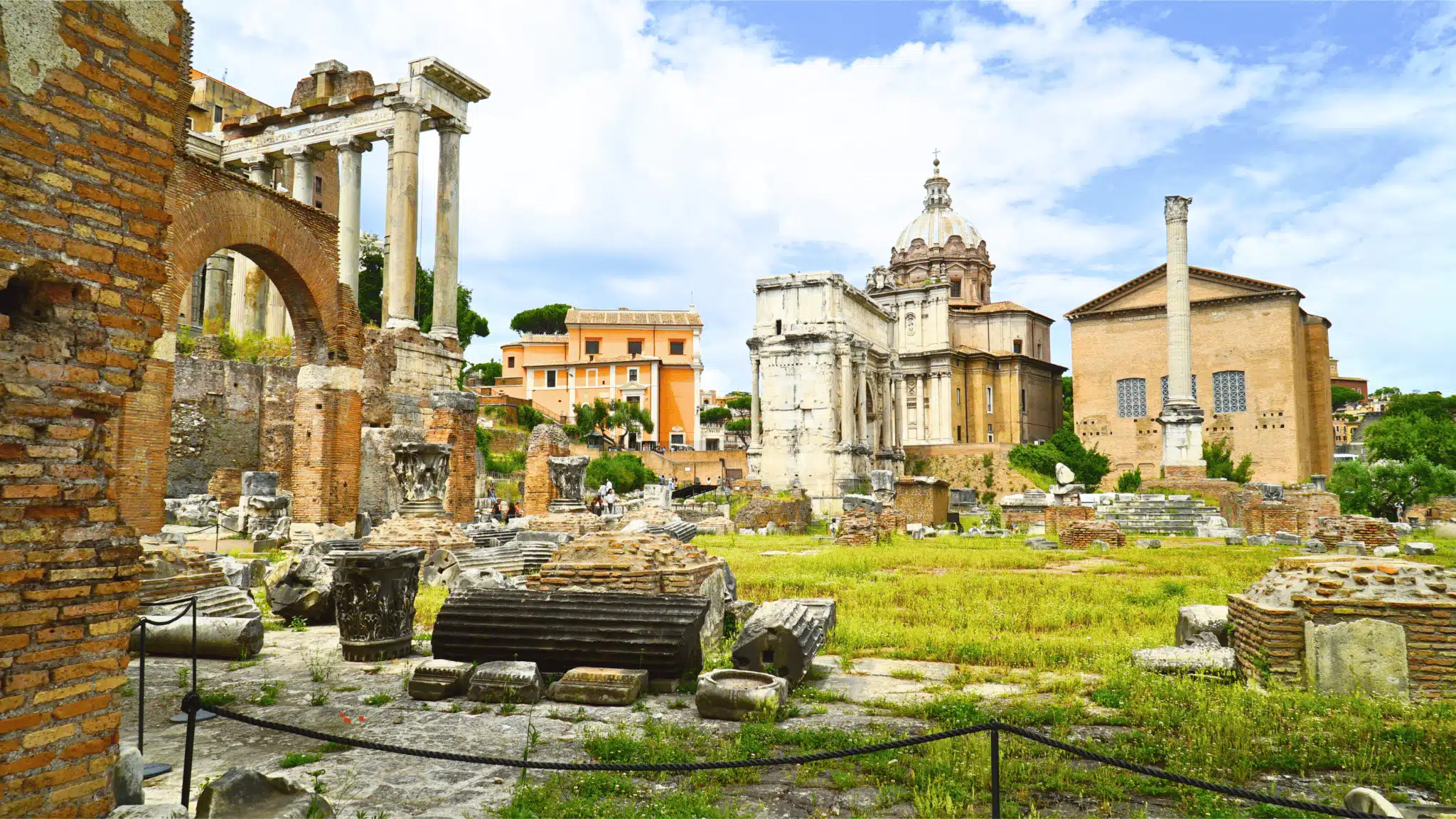

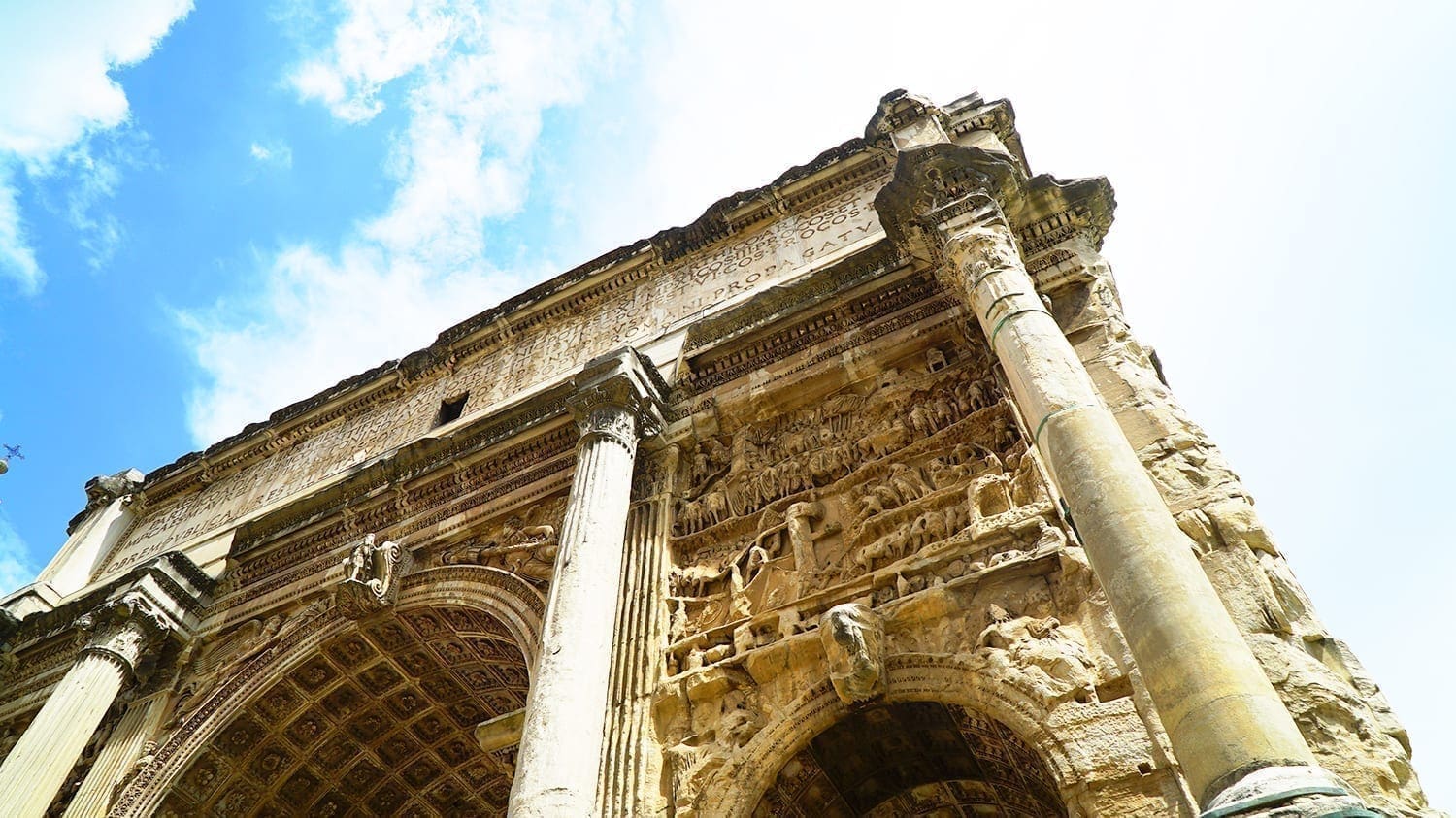
For centuries, it was the center of day-to-day life and the site of processions, elections, public speeches, criminal trials, and gladiatorial matches.
It also served as the center of commercial affairs and a marketplace for Roman citizens. Known as the “most celebrated meeting place in the world, and in all history.”
I didn’t really know what to expect when I visited the Roman Forum, but it ended up being one of my favorite things I saw during my 3 days in Rome, Italy!
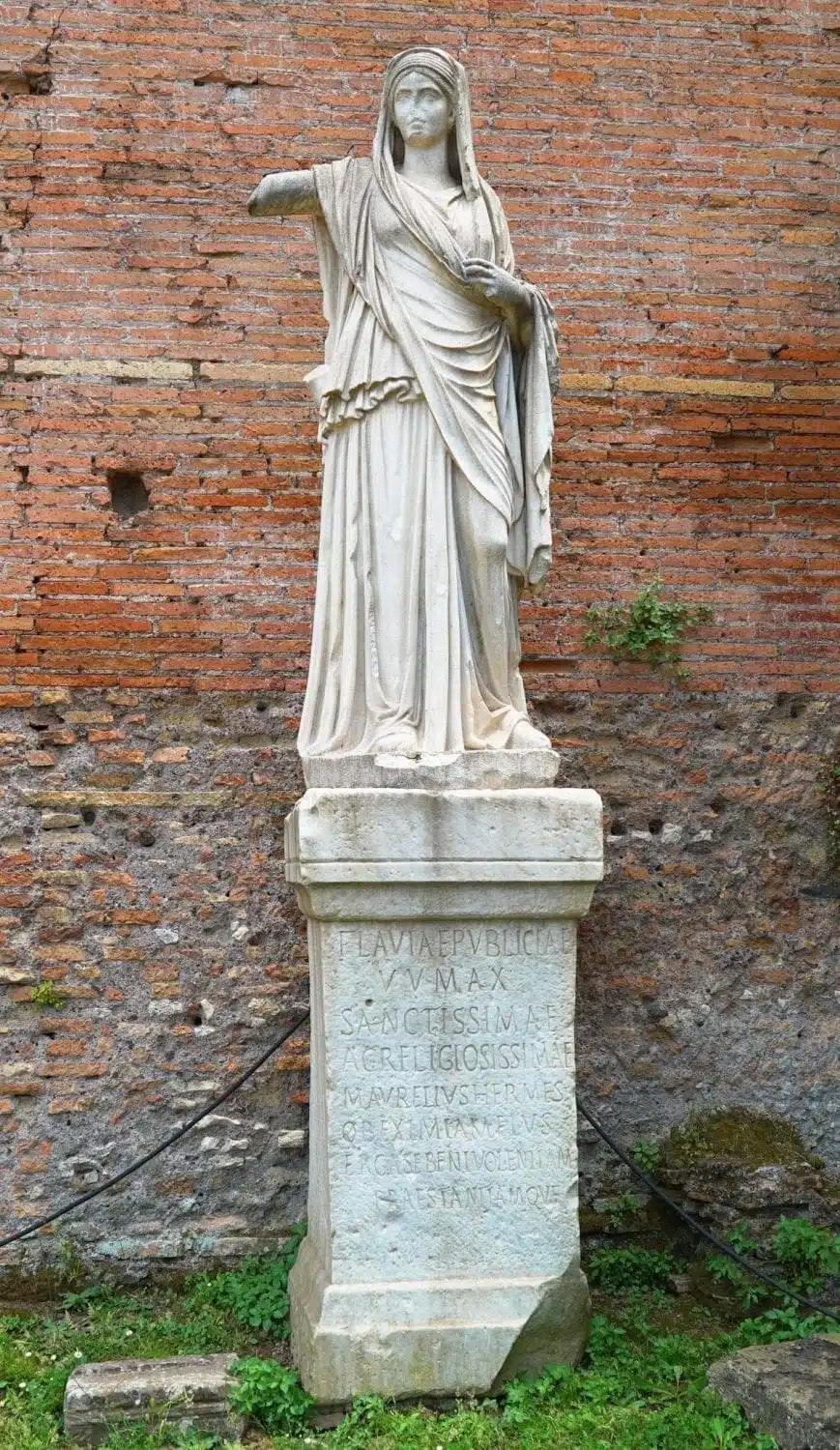
Seeing the House of the Vestal Virgins and the Temple of Caesar was a highlight while walking around these ancient ruins at your own pace.


⏳ Duration: 2-3 hours
🏛️ Book online in advance; many tours will also include the Colosseum so you can save by booking them together 🎟️
The Roman Pantheon
The Pantheon is the best-preserved building from ancient Rome, having survived nearly 2,000 years largely because it was converted into a Christian church in 609 AD.
I visited it on my first night in Rome, but couldn’t enter then. I came back later to see the interior and was truly impressed.
The name “Pantheon” is from the Ancient Greek “Pantheion” (Πάνθειον), meaning “of, relating to, or common to all the gods.”


The building’s purpose is unknown. However, the name, porch, and pediment decoration suggest a temple.
It may have been where the emperor could make public appearances. It may be the first building in Classical architecture whose interior is deliberately designed to outshine the exterior.
The hop-on hop-off bus tour through the Omnia card gets you close to the Pantheon; it’s just a short walk away from a few of its stops.
In 2020, they released an app, which looks like a great way to explore the building, as I had to rely on reading signs when I was there.
⏳ Duration: 15-30 minutes (longer for a tour)
🏛️ I’d book this ticket through Headout because their cancellation policy is flexible and they offer the lowest price among online retailers 🎟️
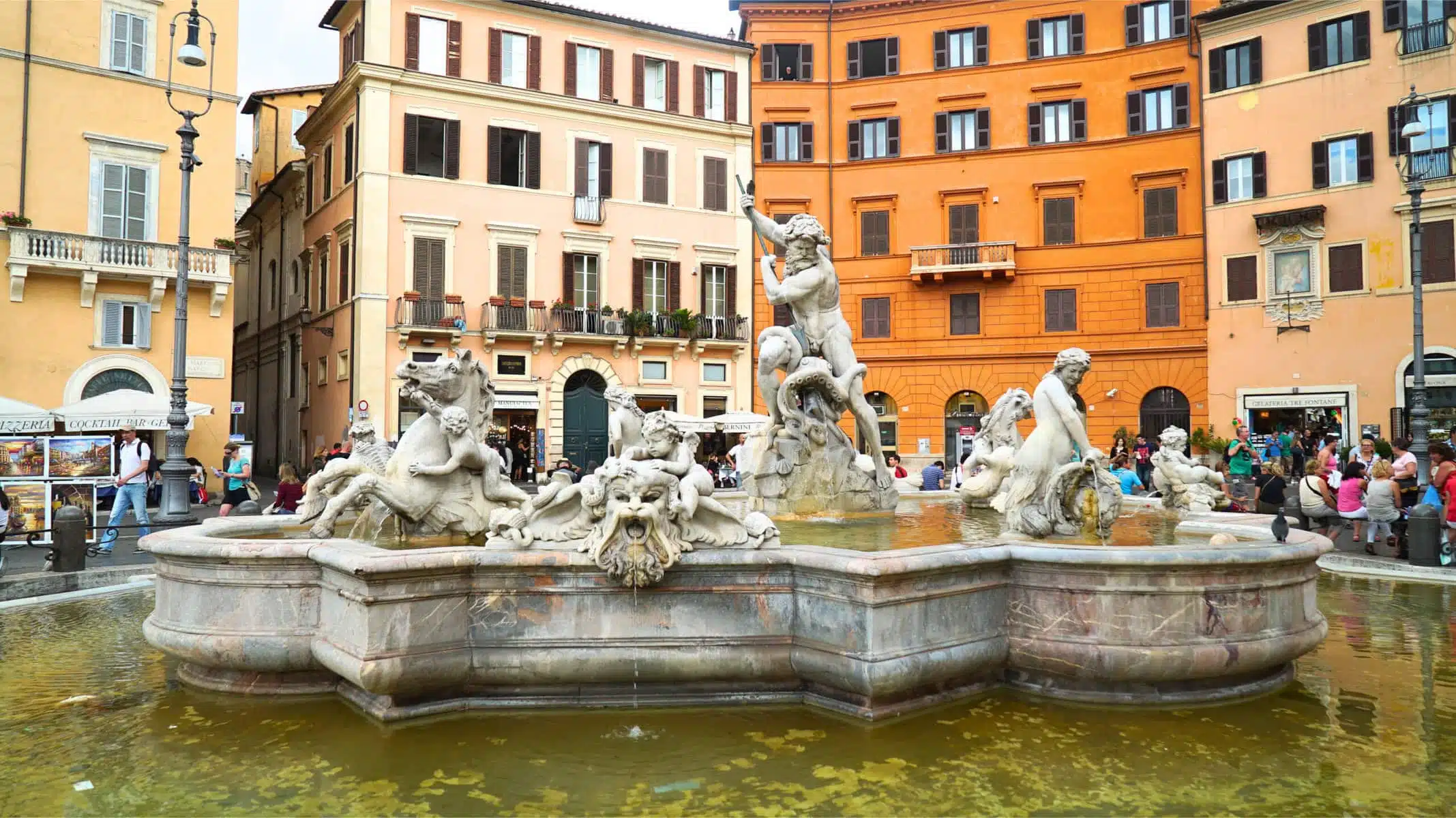
Piazza Navona
A short 5-minute walk away is Piazza Navona!
This is my favorite piazza in all of Rome! It was gorgeous, and I stumbled upon it by accident on my first night in Rome, and then returned during the day!
The architecture, people, vendors, and restaurants were so full of life, making it a must-see during my 3 days in Rome, Italy!


It’s a great place to sit and have lunch or dinner at a charming little restaurant facing the piazza, where you can enjoy people-watching and soak up the vibrant atmosphere.
⏳ Duration: 15 minutes – 1 hour
Cost: FREE! Unless you shop or snack, of course!
Day 3: Iconic Rome Attractions
Basilica di Santa Maria Maggiore
Pope Francis became the first pope in more than 120 years to be buried outside St. Peter’s. His tomb at Santa Maria Maggiore is open to visitors daily from 7:00 a.m. to 7:30 p.m.
The Basilica di Santa Maria Maggiore is Rome’s largest Catholic Marian church and one of the four major papal basilicas.
Santa Maria Maggiore is located at the top of Cispius, the highest part of the Esquiline Hill.
The basilica’s medieval bell tower is also Rome’s tallest, at 75 meters (about 246 feet).
You’ll notice the immense amount of ceiling work inside the Basilica.


It is said that the gold on it was the first gold brought from the New World. In some places, the floor has varied designs, and one that stood out was a Jewish star.
Although the Basilica of Santa Maria Maggiore is an early Christian Church, it views itself as the New Jerusalem. So that is why the Jewish star is in the floor design.
Under the basilica’s high altar is the Crypt of the Nativity, or Bethlehem Crypt.

This crystal reliquary, designed by Giuseppe Valadier, is said to contain wood from the Holy Crib of the Nativity of Jesus Christ.
It is also the burial place of Saint Jerome, the 4th-century Doctor of the Church who translated the Bible into Latin.
Sorry, the image is pretty blown out; it was hard to get a good photo of it.
⏳ Duration: 30 minutes – 1 hour
🎧 Audio guides: Available and can be rented at the reception desk
⛪ Admission is FREE. However, you can purchase tickets to visit the Liberian Historical Museum, the Loggia delle Benedizioni, the Hall of Popes, Bernini’s staircase, and the archaeological area at the reception desk or by making an online reservation 🎟️
The Spanish Steps
The Spanish Steps got their most famous screen moment in the 1953 film Roman Holiday, starring Audrey Hepburn and Gregory Peck.
Constructed between 1723 and 1725, they connect the Piazza di Spagna at the bottom to the Piazza di Trinità dei Monti at the top, with the Trinità dei Monti church sitting on the upper landing.
However, I thought all the lamps illuminating everything were cooler than the steps themselves!
They make the city feel romantic, so I highly recommend taking a few minutes to check them out during your 3-day Rome itinerary.
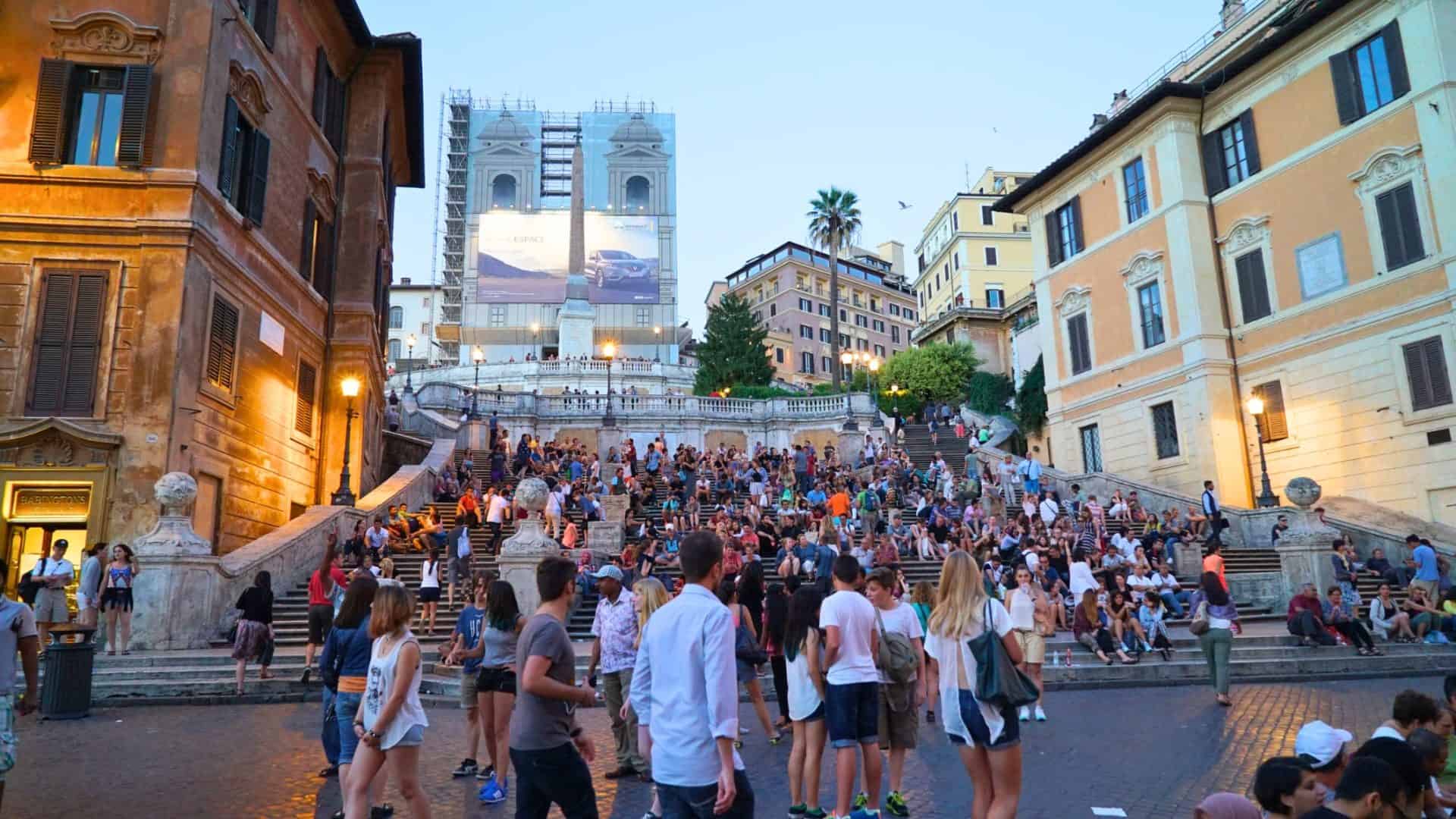


Note: They have regulations on sitting on the Spanish Steps.
Which I get, since they function as steps for getting to and from a place. And with the massive crowds I saw on them, I can see how difficult it would be to get through without some rules!
⏳ Duration: 15 minutes
Cost: FREE!
Toss a Coin into the Trevi Fountain

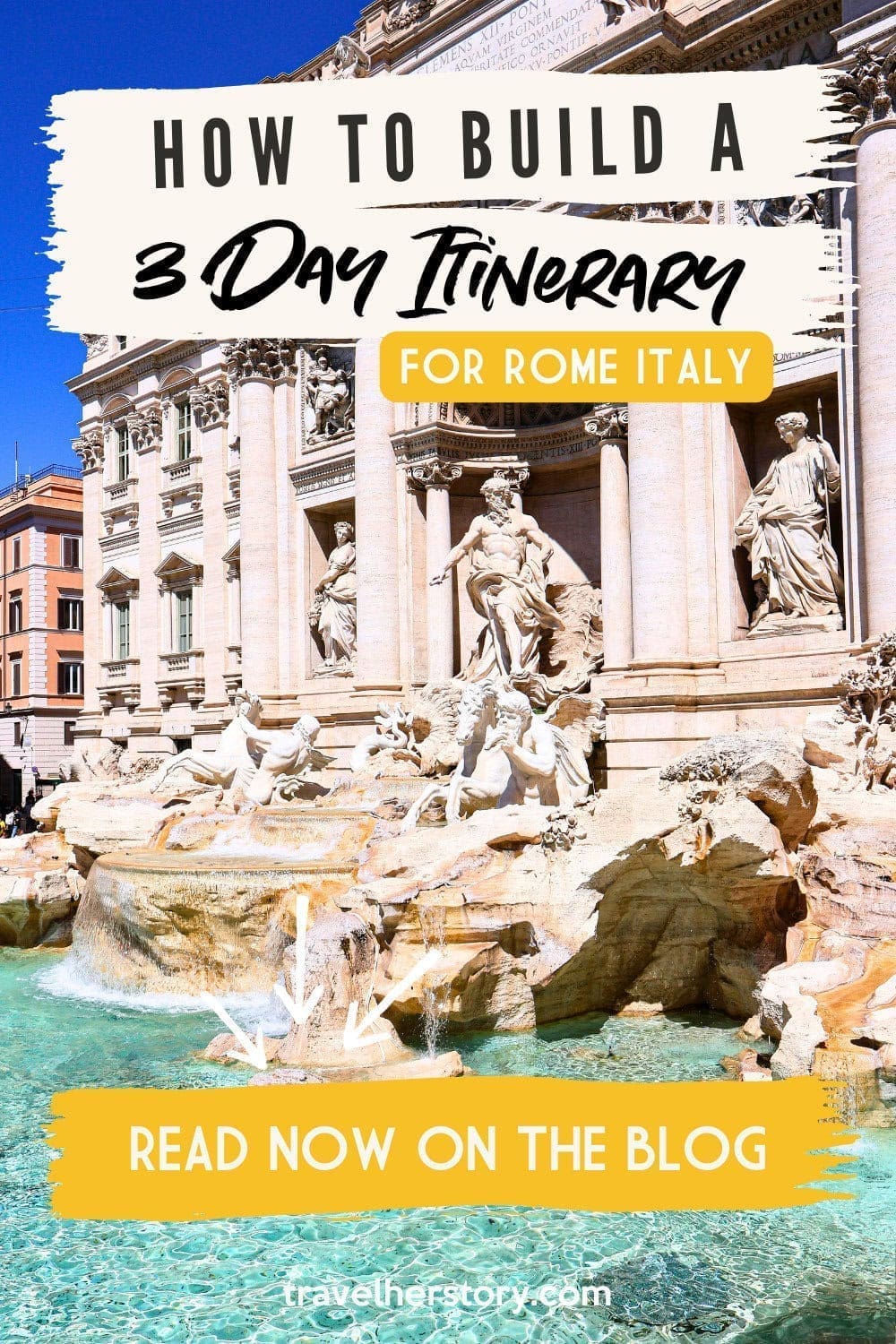
Unfortunately, when I was in Rome, the Trevi Fountain was closed, so it didn’t look nearly as beautiful as the photo above.
In 2015, they’d been doing renovations on and off, so the fountain had been drained when I saw it. Still, as one of Italy’s most famous places, it was a treat to see!
If you happen to have better luck than I do and the Trevi Fountain has water in it, you can toss a coin into it over your shoulder while facing away; it reportedly elicits a return to Rome!
You may recall this bit of lore from The Lizzie McGuire Movie, one of my favorite travel films.
⏳ Duration: 15 minutes
⚠️ Note: As of early February 2026, the city has introduced a €2 entry fee for visitors who want to get right up to the fountain’s basin. However, after 10 p.m., the barriers are opened, and access is free for all until 9 a.m.
There are also strict decorum rules in place—such as no sitting, eating, drinking, smoking, or climbing on the fountain—and fines if those are ignored.
Alternative 3 Day Rome Itineraries
The Rome itinerary above works well for most first-timers, but depending on what you prioritize, here’s how you might reshape those three days.
Rome for History Lovers
Lean even harder into the ancient and Renaissance sites already on this list, such as the Colosseum and Roman Forum, and use any extra time to add Castel Sant’Angelo, which I only saw from the exterior but would prioritize on a return trip.
The Roman Emperor Hadrian initially commissioned it as a mausoleum for himself and his family.
Spend longer at the Roman Forum and Palatine Hill than the standard 2–3 hours if you can, since this was one of my own favorite stops, and consider booking the Colosseum’s underground tour well in advance rather than risking it selling out, which is exactly what happened to me.
Rome for Foodies
Keep the major sights, but structure your days around meals rather than squeezing in food between attractions.
Book a guided food tour or a cooking class (I did one in Florence and loved it), and make sure to try cacio e pepe, carbonara, and as much gelato as you can manage.
I ate more gelato over three days in Rome than I had in years.
Don’t forget to wash it all down with a glass of wine (or two) from the nearby vineyards.
Piazza Navona is an ideal spot for a sit-down lunch or dinner with some built-in people-watching.
Discover where to find the best tiramisu, as the food is one of the best things about Rome!
Rome on a Budget
Skip the Omnia Card, since it didn’t work out for my trip, and instead book individual skip-the-line tours only for the sites with the longest lines, like Vatican City and the Colosseum.
Many of Rome’s best experiences are free: the Roman Pantheon’s exterior, Piazza Navona, the Spanish Steps, and the Trevi Fountain (at night) all cost nothing to visit.
Stay somewhere budget-friendly, like Comics Guesthouse, and take advantage of free nighttime sightseeing. I wrote up 8 free things to see at night in Rome that work well as a self-guided walking tour.
Rome for Solo Travelers
This itinerary already works well solo, since I did it by myself, but a few extra precautions are worth building in.
Stick to well-lit, busy streets at night, and use an anti-theft bag, given Rome’s reputation for pickpocketing and phone snatching.


Consider a Roman ghost or food tour in the evening as a low-pressure way to be around others without coordinating plans.
Staying at a social hostel like Comics Guesthouse also makes it easier to meet other travelers if you want company for part of the trip.
Rome Itinerary Map
🗺️ How to Use This Map: Tap any icon on the map below for details about that stop.
To take it with you, open my 3 Days in Rome list, then tap Save. You’ll find it under Saved on desktop and under You in the Google Maps app.
While traveling, sort the list by Distance to see what’s nearby and whether it’s open.
Offline tip: Download Rome as an offline map in Google Maps before your trip so the list’s pins will still appear without data. For offline walking directions, use Maps.me, since Google Maps only provides offline driving directions.
How to Get Around Rome
When I visited Rome, I mostly walked because it’s just that darn beautiful!
However, central Rome has cobblestone streets, so wear good shoes when you visit!
The only transport I took (other than to the airport) was the hop-on hop-off bus, which I accessed through the Omnia card.
Rome is so walkable that I didn’t feel the need to take transport!
However, if you have any issues walking, especially on uneven ground, I recommend either a taxi (though it can be costly and I’ve heard traffic can be problematic) or Rome’s extensive public transportation.
The metro, trams, and buses are efficient and affordable options for getting around the city.
Lonely Planet has a great article on the available options.
Do be careful while on Rome’s public transportation, though, as I had a family friend who was mugged on the metro in 2024.
I highly recommend an anti-theft bag to help you protect your valuables.
Getting to Rome from the Airport
Rome has two airports, Fiumicino and Ciampino.
When I was there, I flew from London Stansted to Ciampino on Ryanair.
But no matter which airport you fly into, the bus will be the cheapest option to get into Rome’s city center.
If you fly into Fiumicino, there’s also an affordable direct train option.
Try to book your chosen option in advance, as that’ll get you the best price.
When I went in 2015, I got on the bus to Rome just fine; however, I had trouble getting back to the airport because many others were leaving at the same time, and I hadn’t booked in advance.
I wound up meeting a lovely couple who split a taxi with me so we could all get to the airport in time for our flights.
I don’t recommend taking a taxi in Italy if you don’t have to, because it can get expensive.
The official taxi rates are € 50 (US$ 57.40) for Fiumicino and €35 (US$ 40.18) for Ciampino. These prices are valid for up to four passengers and their suitcases.
Meanwhile, Uber prices in Rome are almost double that of standard taxis. A trip to Fiumicino costs around €100-€120.
Where to Stay in Rome
When I visited Rome back in 2015, I was only a couple of years out of college and still very much on a budget.
Heck, even now, the Eternal City is kinda expensive, so I’d still be on a budget if I were to return.
For those looking to spend a bit of coin, some upscale accommodations in Rome offer stunning rooftop views, providing a unique opportunity to enjoy panoramic vistas of iconic landmarks.
But back then, I stayed at the Comics Guesthouse, which is the most unique hostel I’ve had the pleasure of sleeping in. It’s the epitome of nerd travel, decorated with a mash-up of comic book characters and offering a selection of nerdy-themed rooms you can stay in.
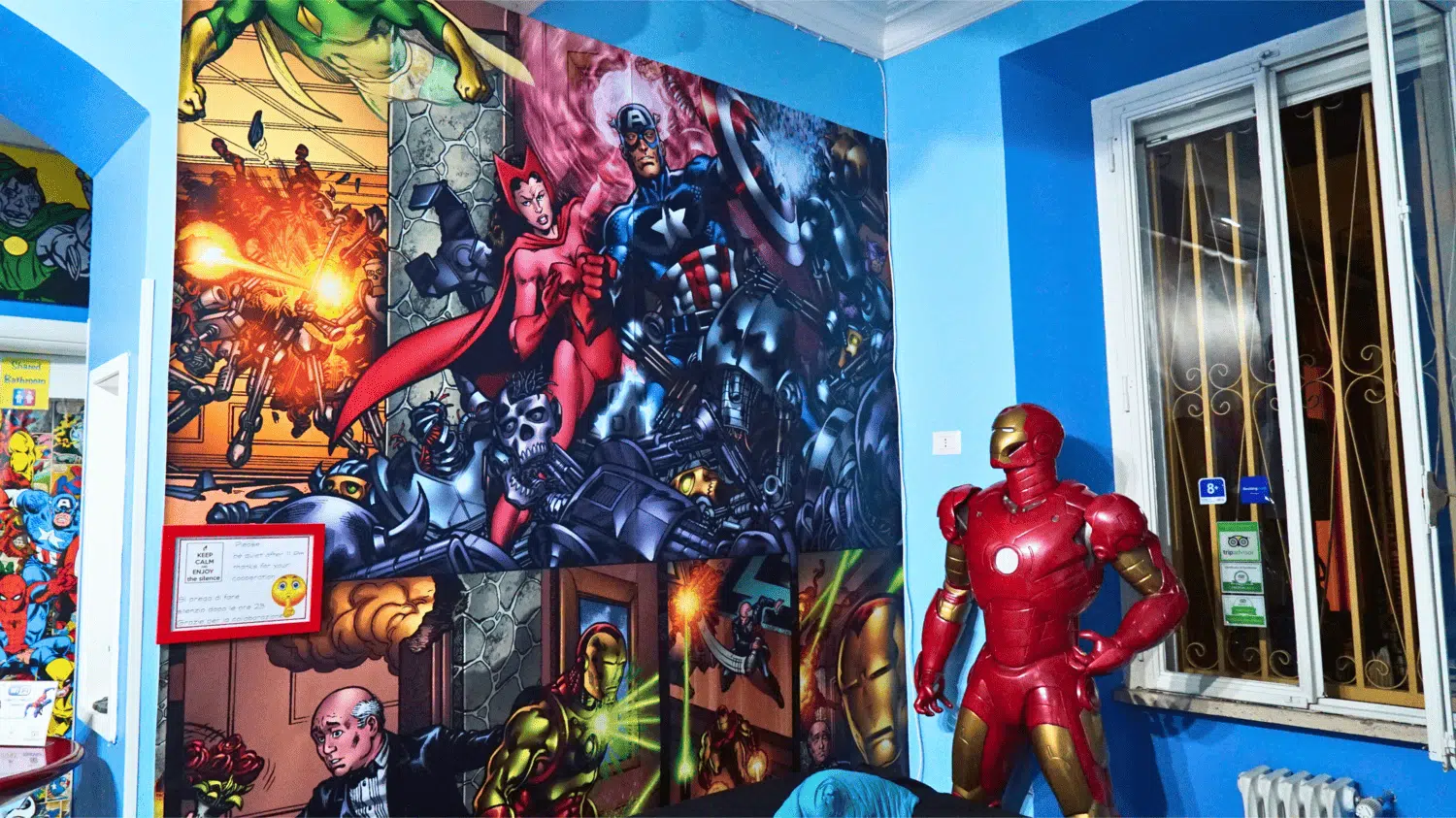

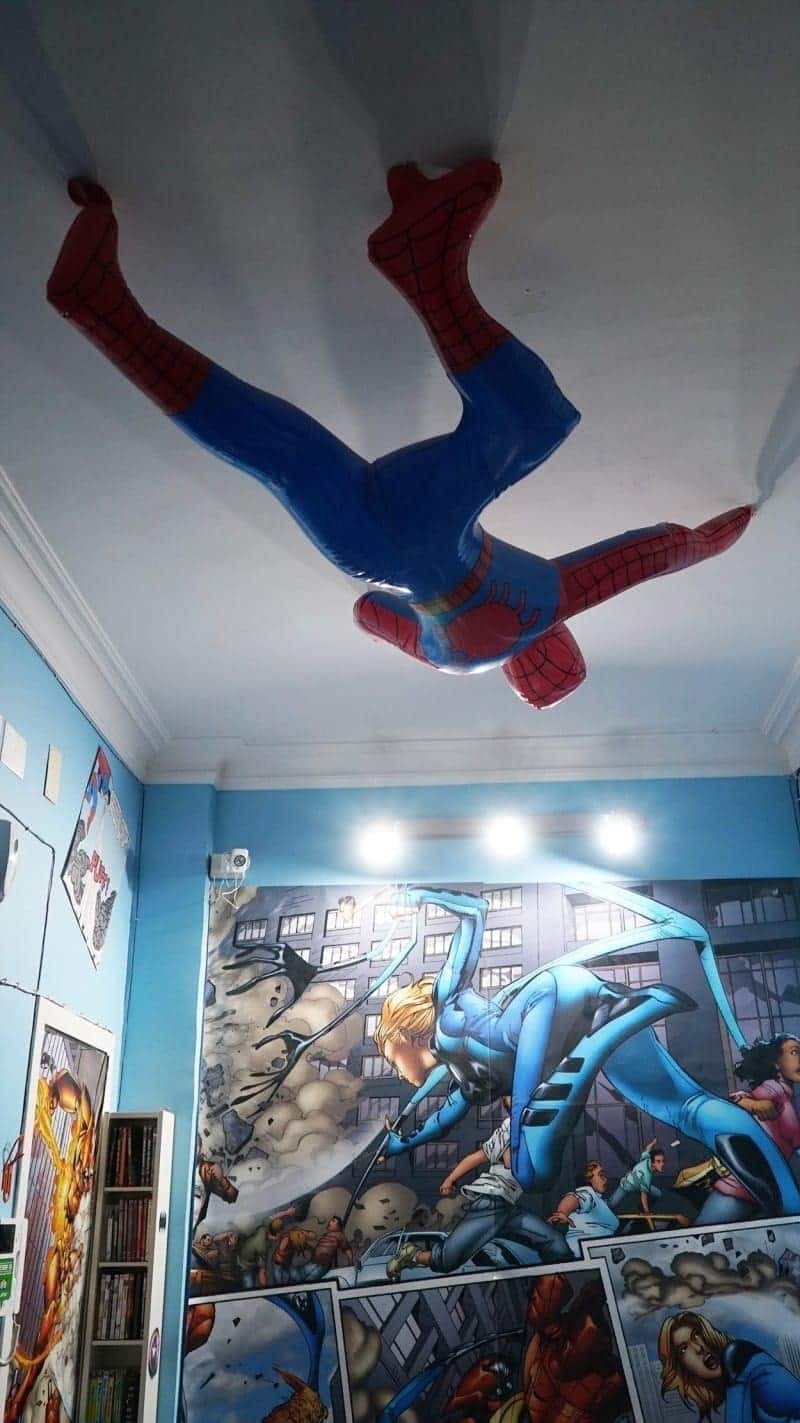
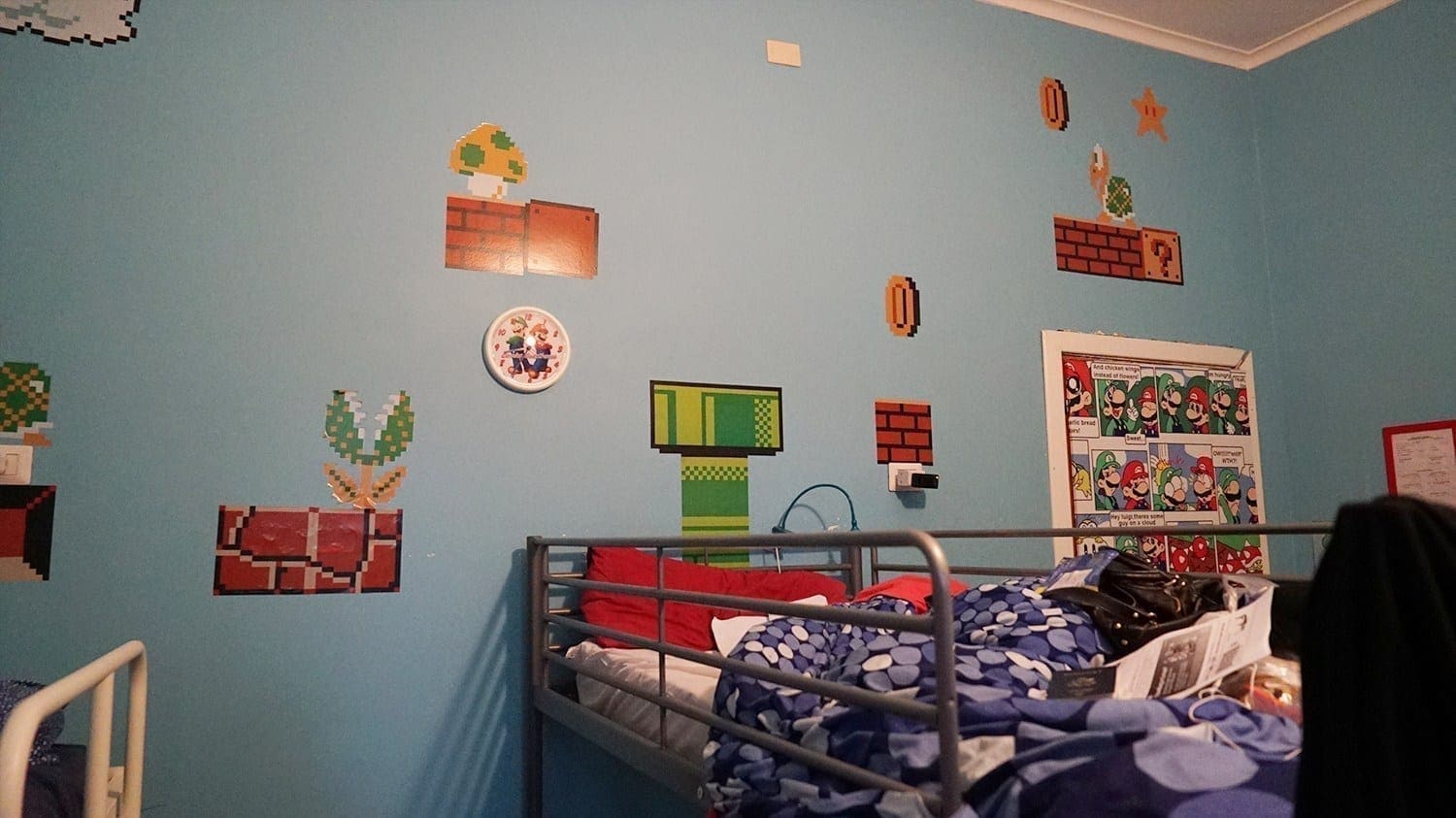
Comics Guesthouse Roma is near Vatican City, which is perfect if you’re looking to do a lot of sightseeing, making it a convenient place to stay in Rome!
Click here for the latest prices and reviews.
Check out my full review of Comics Guesthouse!
Final Thoughts
If you have an extra day in the Eternal City, there are tons of hidden gems around Rome to check out, as well as these must-see attractions in Rome!
If your trip is shortened for whatever reason, here are some suggestions for one day in Rome.
If you have time after your visit to Rome, check out this 10-day Italy itinerary or this list of Italy’s hidden gems for more ideas.
If you’re looking to get out of Rome for the day, there are several beautiful travel destinations around Italy, including Siena in Tuscany.
FAQs
What is the first place to visit when you travel to Rome?
If you’re interested in the Vatican, it’s a good place to start your day in Rome and, hopefully, avoid some crowds, as it can get very busy.
The Colosseum can also get really busy, so it’s best to book a timed tour so you don’t miss out on any of the parts you’d like to see, such as the underground section where the gladiators used to be kept.
What should I book in advance for Rome?
Book the Vatican Museums and the St. Peter’s Basilica dome well in advance of your trip to Rome, since Vatican City gets crowded quickly.
Book the Colosseum early, especially if you want the underground tour, which sells out quickly and isn’t covered by all ticket options.
Airport bus or train tickets are also worth booking in advance to get the best price and guarantee a seat.
Is Rome walkable for tourists?
Yes, central Rome is walkable, and I walked most of the way during my 3-day visit, aside from the hop-on hop-off bus included in the Omnia Card.
The main caveat is Rome’s cobblestone streets, which call for sturdy, comfortable shoes rather than anything dressy or unstable.
For longer distances or if walking on uneven ground is difficult, Rome’s metro, trams, and buses are efficient, affordable backups. Just be aware that pickpockets do frequent them.
What are the top attractions to see in Rome in 3 days?
The Vatican Museums and Sistine Chapel, St. Peter’s Basilica, the Colosseum, the Roman Forum and Palatine Hill, and the Roman Pantheon stood out as personal favorites on this 3-day Rome itinerary.
The Roman Forum, in particular, ended up being an unexpected highlight, despite my low expectations.
Related Rome Travel Guides
- 3 Big Mistakes I Made While Visiting the Colosseum in Rome
- How to Build a 3 Day Itinerary for Rome Italy
- Omnia Card: Discount Pass for Attractions in Rome
- Reviewing Comics Guesthouse: The Best Hostel in Rome Italy?
- Easy Guide to What to See in the Vatican Museums
- How To See This Remarkable View From St Peter’s Basilica Dome
- 8 Free Things to See at Night in Rome Italy
- Visiting the Roman Forum: Visual Guide to Rome’s Epic Ruins
- What to See in Vatican City: One-Day Itinerary Featuring 8 Sites
Want to remember this? Pin this How to Build an Itinerary for 3 Days in Rome article to your favorite Pinterest board!