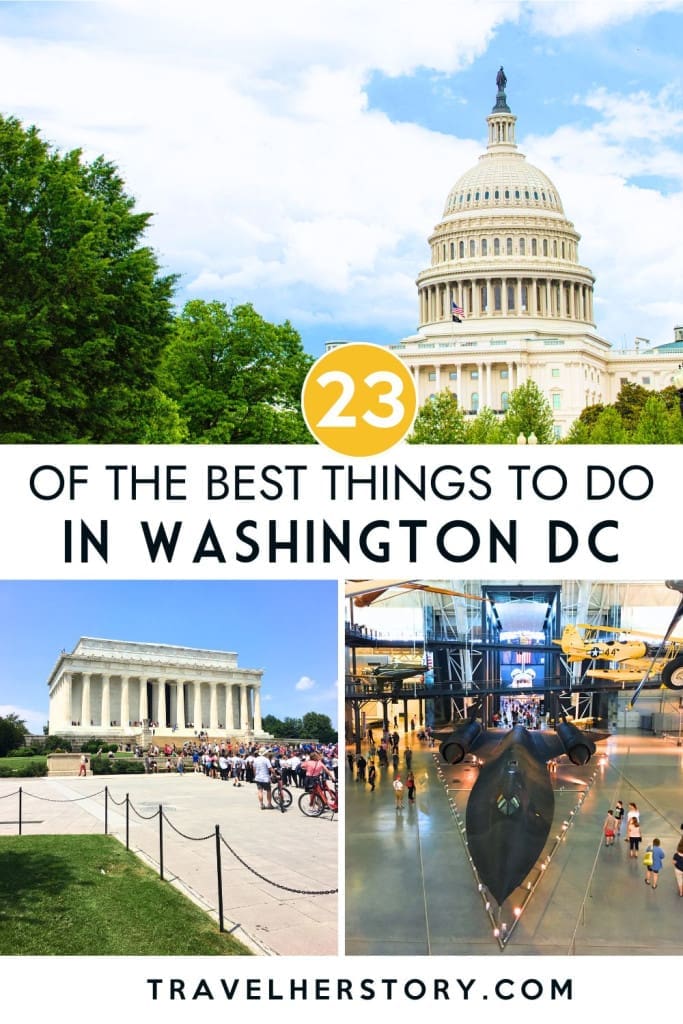

Top 25 Things to Do in Washington, DC: The Best Mostly Free Attractions
This site contains affiliate links and is a member of the Amazon Associates Program. At no additional cost to you, I may receive a commission from these links. I only make recommendations based on my experience. See my Disclosure Policy for more info.

Looking for the best things to do in Washington DC?
Washington, D.C., offers a wide array of attractions, including iconic monuments and memorials such as the Lincoln Memorial and the World War II Memorial, as well as world-class Smithsonian museums, the Library of Congress, the Capitol Building, and much more.
But if you’re on a budget, don’t worry—I’ve got you.
I took a trip to DC in the May of 2019 after I was laid off, and luckily, DC can be rather affordable, as many museums and attractions in this monumental city are free!
Now that we’ve cleared up the cost of DC, aka mostly free, let’s chat about how long you’ll need.
On my solo trip, I discovered which Smithsonian museums are worth spending a full day at versus making a quick visit, experienced off-the-beaten-path gems like the Folger Shakespeare Library and the Udvar-Hazy Center, and even went on a ghost tour!
Whether you’re a history enthusiast dreaming of seeing George Washington’s home, a budget traveler trying to make the most of free attractions, or a first-time visitor feeling overwhelmed by DC’s seemingly endless options, this guide is for you.
The best things to do in Washington, DC, include the Library of Congress, the National Air & Space Museum, the Lincoln Memorial, the International Spy Museum, the United States Capitol, and Mount Vernon. Most major attractions are free, making Washington, DC, one of the most budget-friendly U.S. travel destinations.
Washington, D.C., for First-time Visitors
Most of the city’s biggest draws sit within walking distance of each other on or near the National Mall, so you don’t need to plan a complicated route between neighborhoods.
If you do want to cut down on walking, take the metro or bus. Both are affordable and easy to use by following Google Maps directions. If you’re in a time crunch, the metro is quicker because buses have to contend with traffic.
Start with the free, timed-entry attractions that fill up fastest.
The Library of Congress, the National Air and Space Museum, and the White House all require advance reservations, so lock those in before you book anything else.
And don’t underestimate the heat if you’re visiting in summer. I learned the hard way that DC humidity is no joke, and I ended up planning my afternoons around finding air conditioning as much as finding attractions.
Best Attractions for First-Time Visitors
- Library of Congress — Book timed-entry tickets in advance; the architecture alone is worth the visit.
- US Capitol Building — Free guided tours of the Crypt, Rotunda, and National Statuary Hall.
- Lincoln Memorial — A quick 15-minute stop, but unmissable on any first DC trip.
- National Air and Space Museum — The most engaging Smithsonian for visitors of any age or interest level.
- Washington Monument — Even if you don’t luck out with tickets to the top, it’s the central point of the Mall, so a great stop to take in the view.
Best Free Attractions in Washington DC
- Smithsonian Museums — All of them, including Air and Space, American History, and the National Gallery of Art.
- National Mall Memorials — Lincoln Memorial, WWII Memorial, Korean War Veterans Memorial, and more.
- MLK Memorial — Pairs naturally with a Lincoln Memorial visit since they’re connected in sightline and history.
- Library of Congress — Free entry, just requires a timed-entry reservation.
- US Capitol Tour — Free, though reservations are recommended.
Skip If You’re Short on Time
- Steven F. Udvar-Hazy Center — 30–45-minute drive outside the city; worth it only for dedicated aviation fans. Difficult to reach on public transport.
- Mount Vernon — Nearly 2 hours via public transport; needs a half or full day of its own.
- International Spy Museum — Can be pricey depending on your group size; a good cut for tight budgets.
Visiting Washington, DC on a Budget
DC is one of the most budget-friendly major cities in the US to visit because many attractions don’t cost a dime.
I’m usually a big fan of tourism passes as, depending on your planned itinerary, they can often save you money compared to buying individual tickets to multiple attractions, especially if you plan to visit several popular sights.
They also can save you time with skip-the-line access.
However, many popular attractions in the nation’s capital, such as the Smithsonian museums, are free.
As is 88% of this list! 22 out of the 25 listed things to do in DC are free of charge, so unless there’s something you’re dying to do that costs money and will thus save you some dough by getting a pass, I wouldn’t bother.
Free Things to Do in Washington DC
Government Buildings
1. Library of Congress
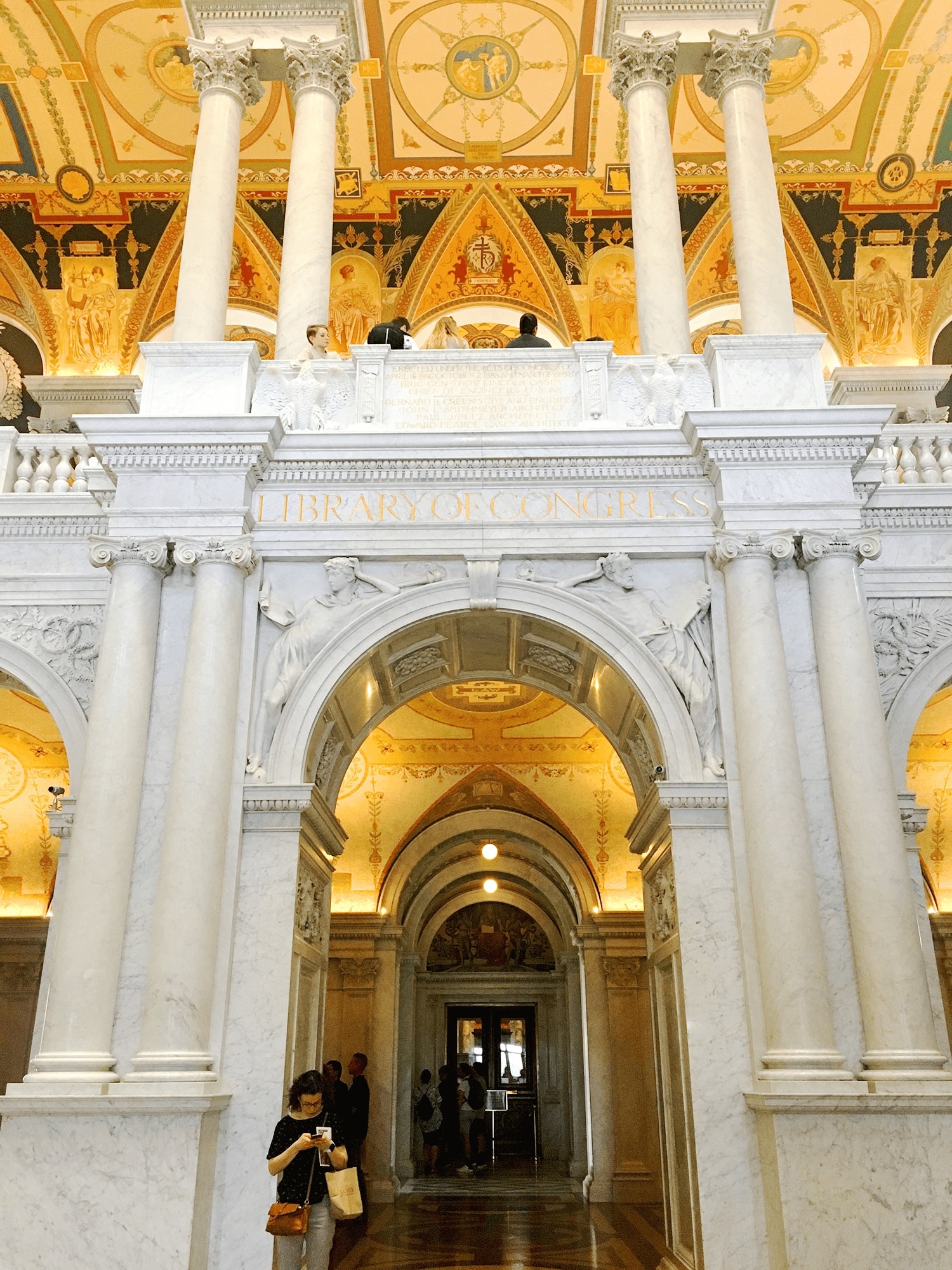
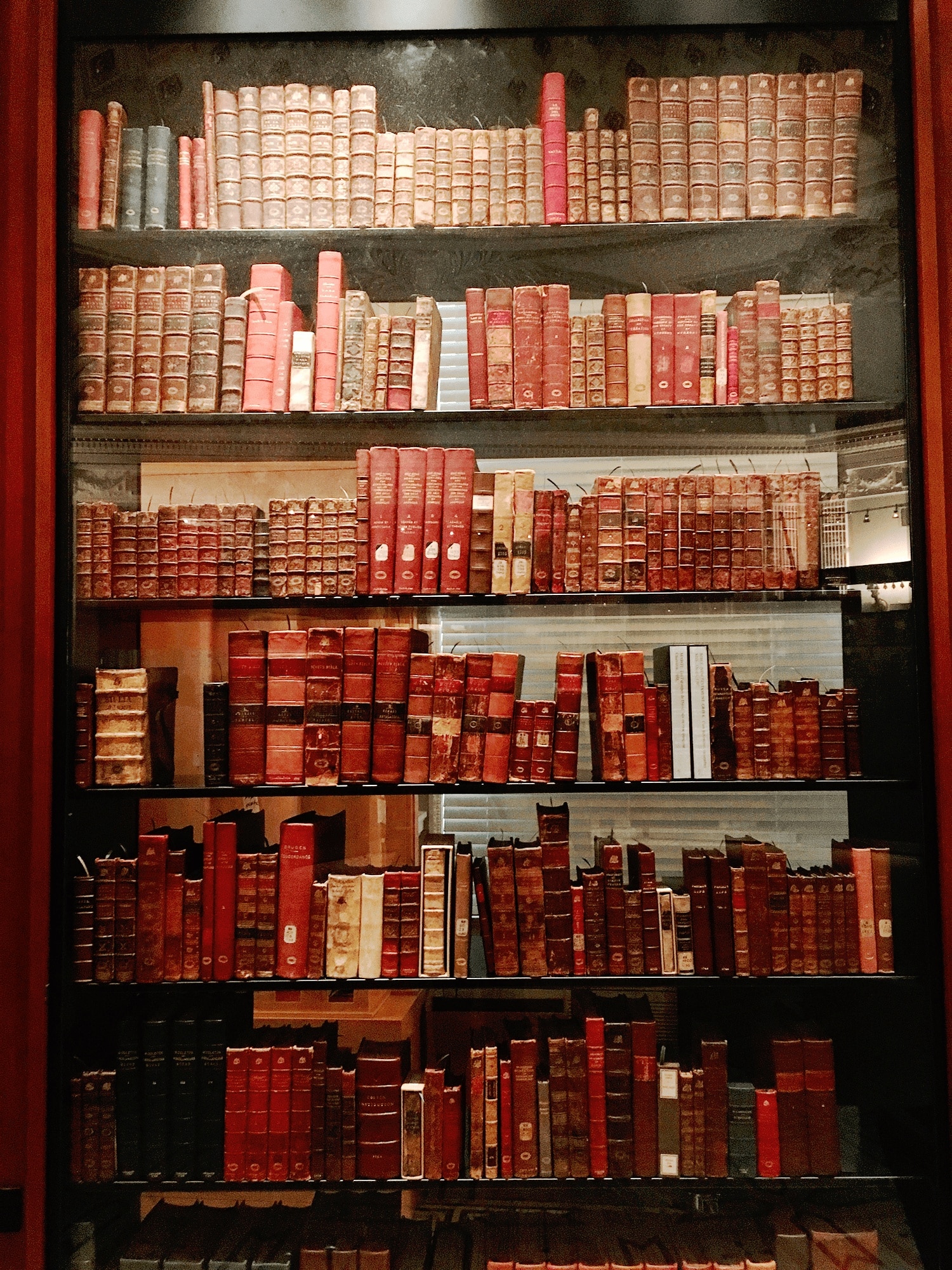
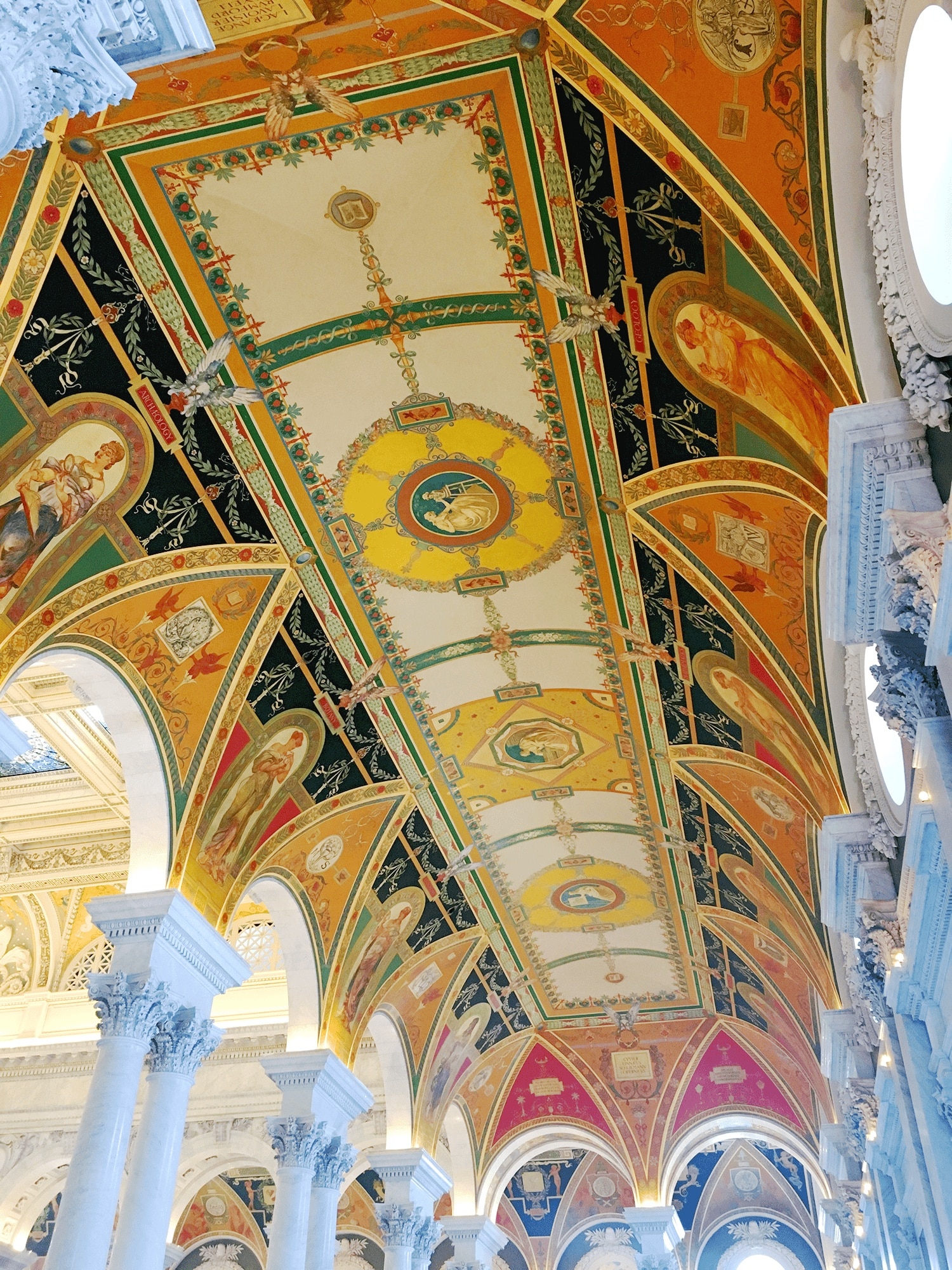
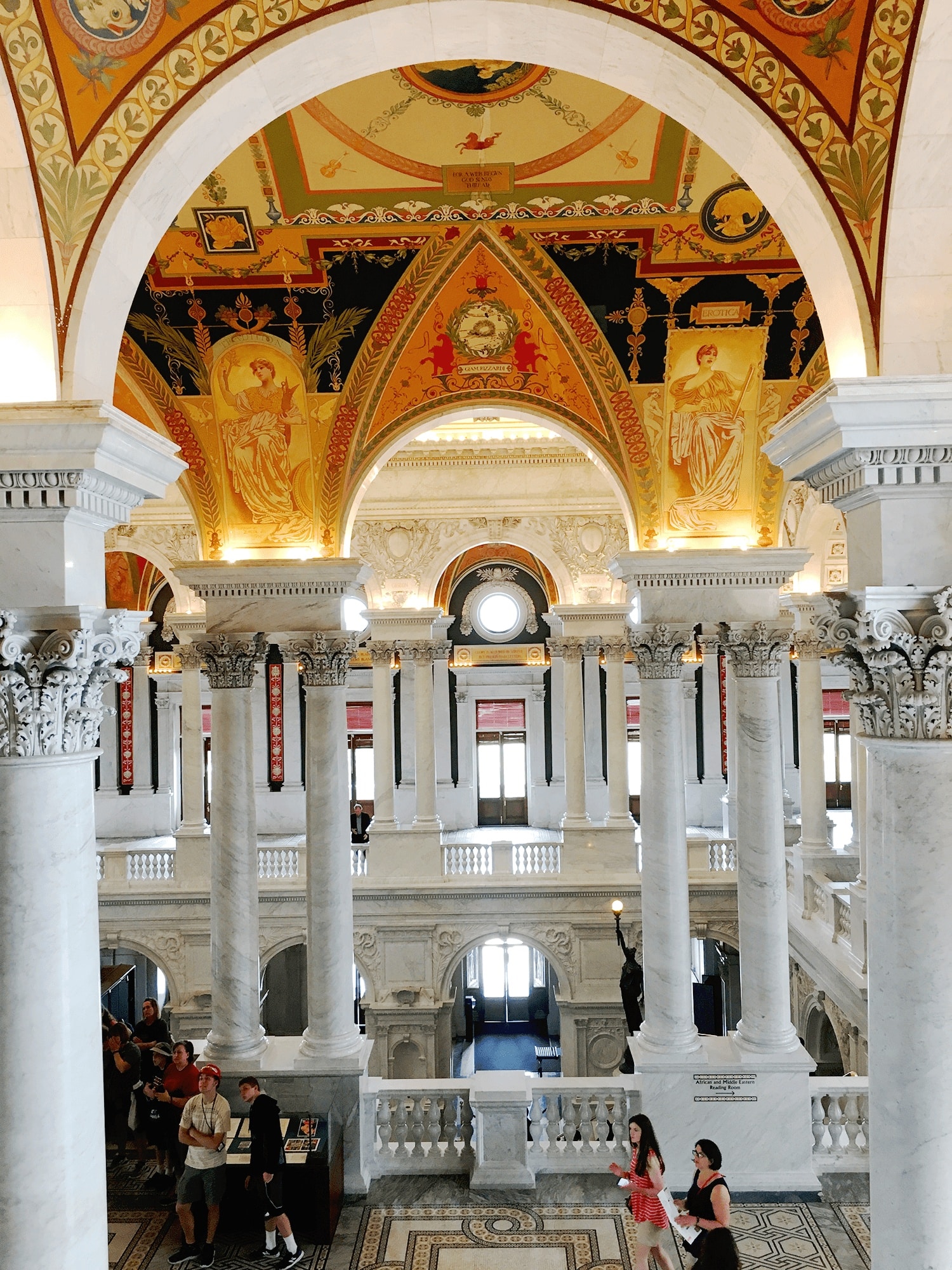
The Library of Congress was the first place I visited in DC proper, and let me tell you, I was BLOWN away! I could not believe how gorgeous it was.
I really only thought this type of beauty was in Europe, in places like the Austrian National Library.
Don’t let the word ‘library’ fool you—this isn’t your local library. It’s a research library that serves as the library and research service of the U.S. Congress and the de facto national library of the United States.
It was founded in 1800 and is the United States’ oldest federal cultural institution.
⏳ Duration: 1 – 1.5 hours
🎟️ Tickets: Free timed-entry tickets are required for entry to avoid overcrowding. I took a guided tour while there, which you can book online, but they also have an audioguide.
2. The United States Capitol
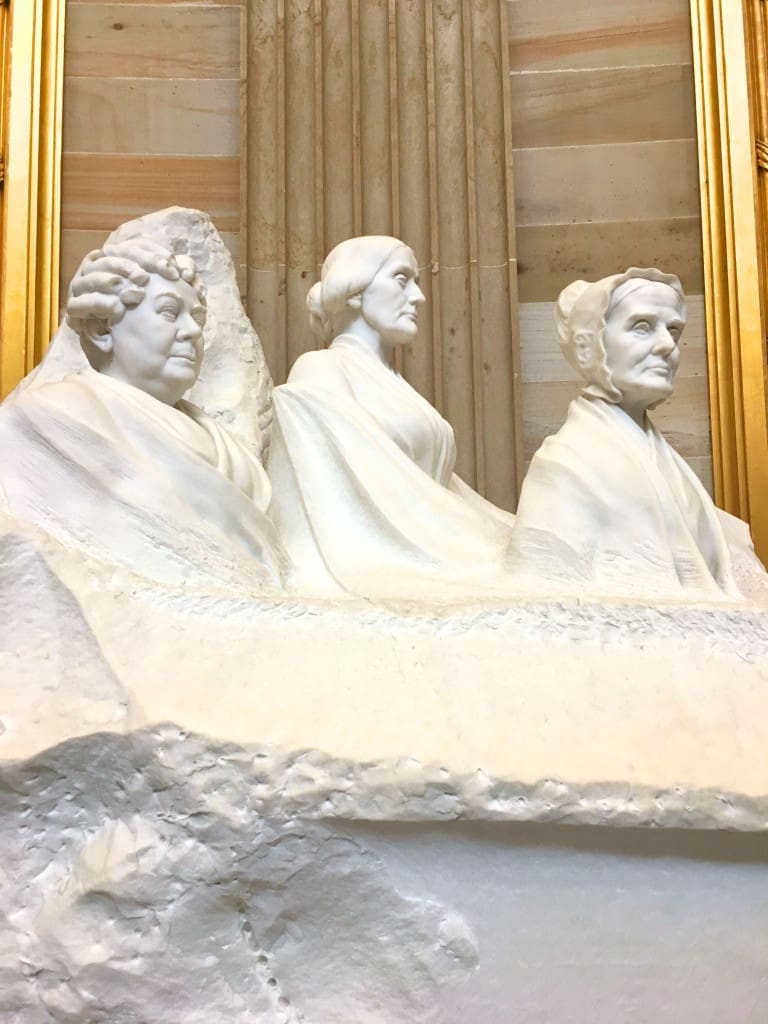
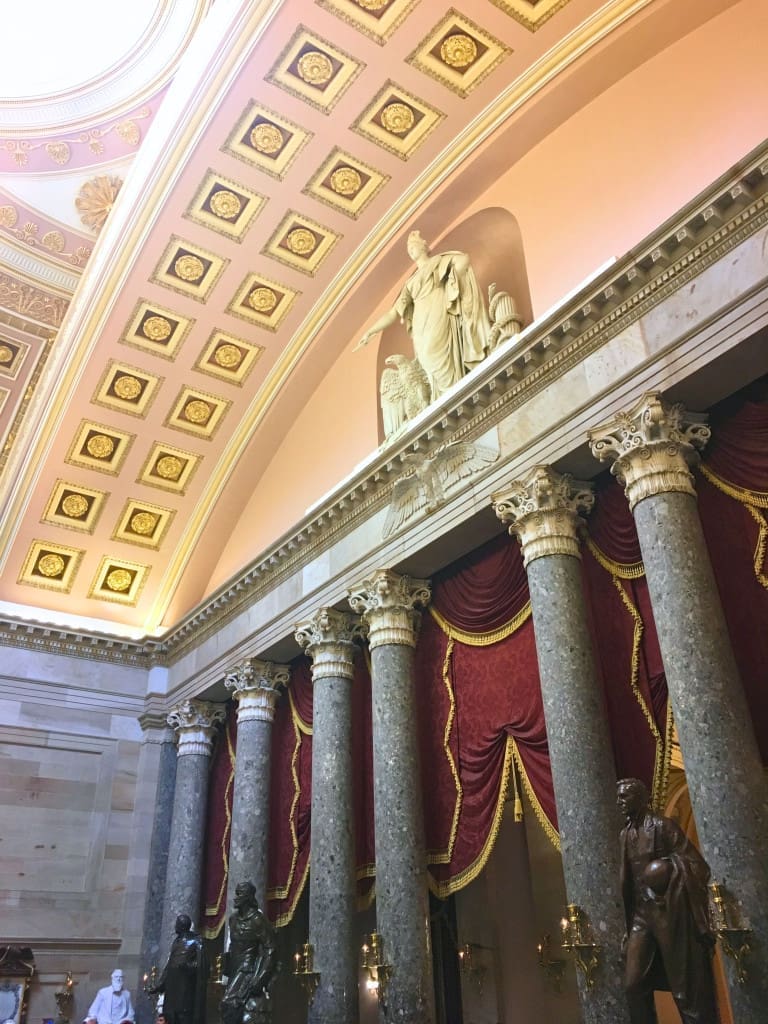
Also known as the US Capitol Building, it is the seat of the United States Congress.
As it is actively used today, a visit to the Capitol requires a bit more security. But honestly, it wasn’t any worse than a walk through the TSA.
You can tour the Capitol with one of their professional tour guides and visit the Crypt, Rotunda, and National Statuary Hall.
Just so you know, this tour does not include the Senate and House Galleries, though you can get a separate tour pass to do so.
I recommend making a reservation to be safe.
There were so many people there when I visited in May 2019 that you never know, especially as visitors without reservations are encouraged to arrive at the Capitol Visitor Center as early in the day as possible to obtain passes.
⏳ Duration: 1 hour
🎟️ Tickets: FREE – Reservations are recommended but not required.
3. The White House
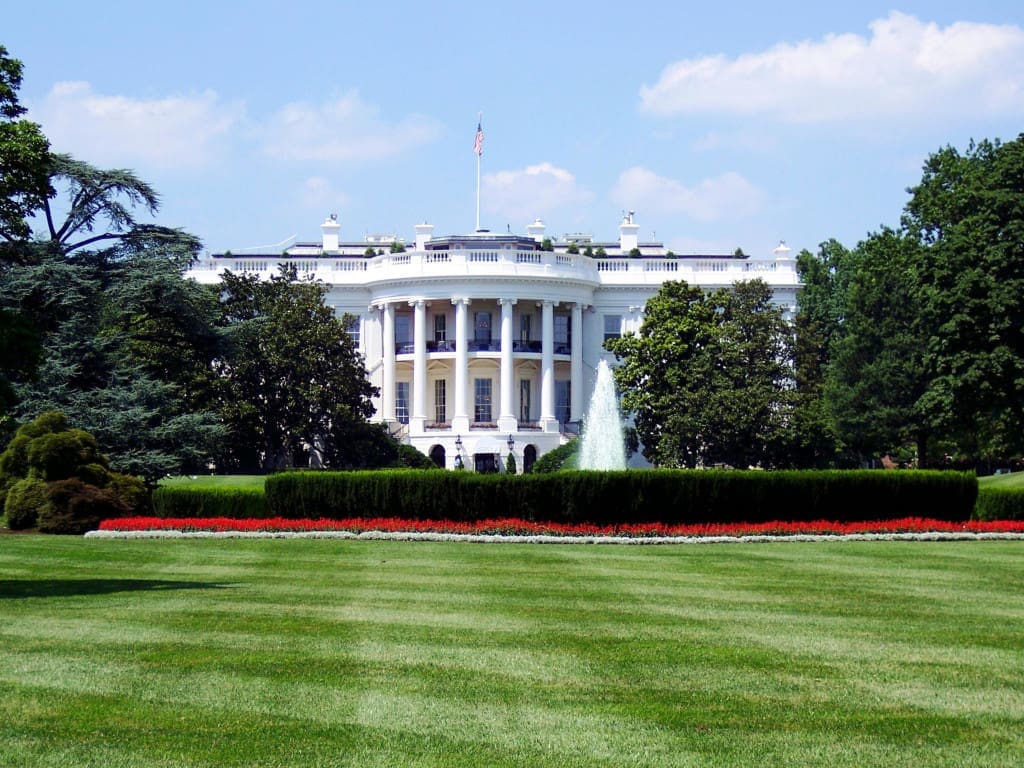
I’ve never toured the White House, but even if you don’t want to go through the process to do so, even walking by it is worth adding to your things to do in Washington DC itinerary.
But if you are interested in touring, public tour requests are scheduled through your Member of Congress and their Congressional Tour Coordinator.
Constituents may reach your Member of Congress and Congressional Tour Coordinator through the U.S. House of Representatives Switchboard at 202-225-3121, the U.S. Senate Switchboard at 202-224-3121, or online at www.congress.gov/members.
Public White House tour requests must be submitted at least 21 days in advance and no more than 90 days in advance of the requested tour date(s).
Tours are typically available from 9:30 AM to 12:30 PM Tuesday, Wednesday, Thursday, Friday, and Saturday, excluding Federal holidays or unless otherwise noted.
If your tour is confirmed, you will be assigned a specific time.
If you are a citizen of a foreign country, contact your embassy in Washington, D.C. for assistance in submitting a tour request.
⏳ Duration: 45 minutes
🎟️ Tickets: FREE – But request must be sent
Memorials and Monuments
4. Lincoln Memorial
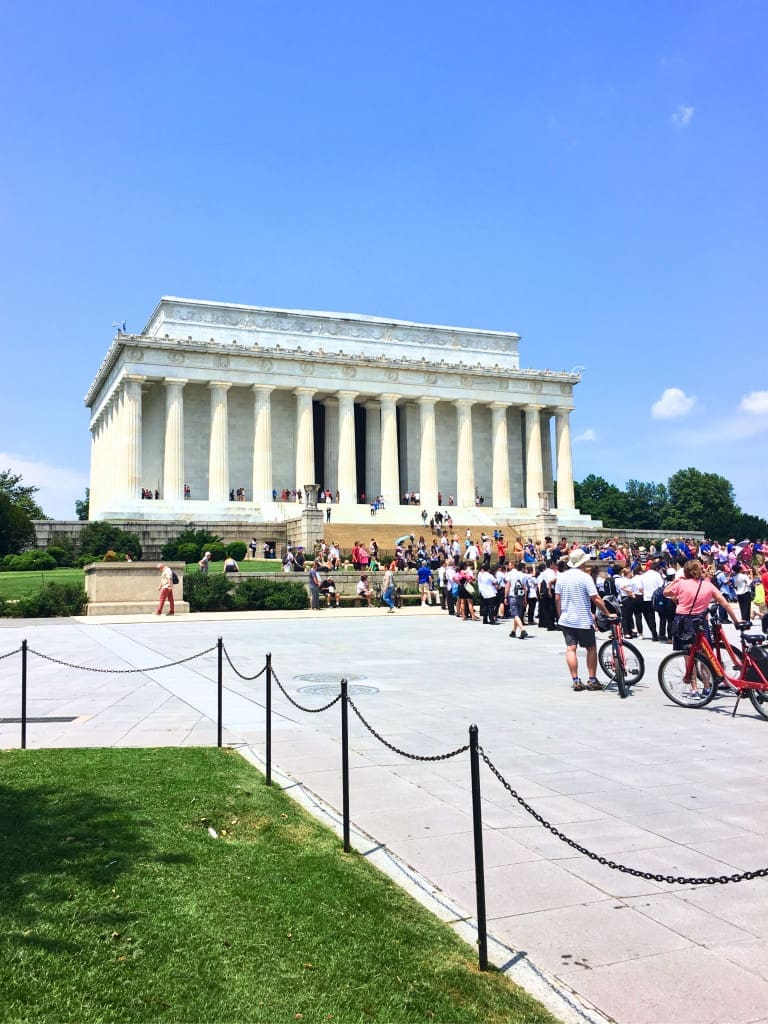
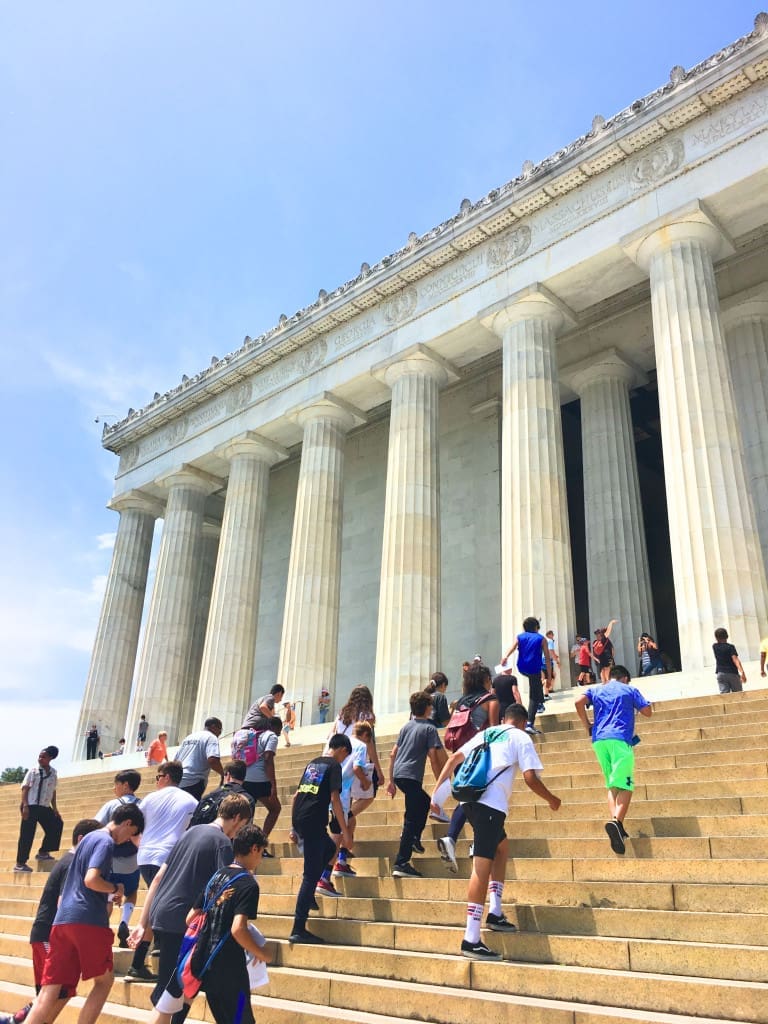
There are a LOT of memorials you can add to your things to do in Washington DC list, so I’ll just mention a few here that caught my eye.
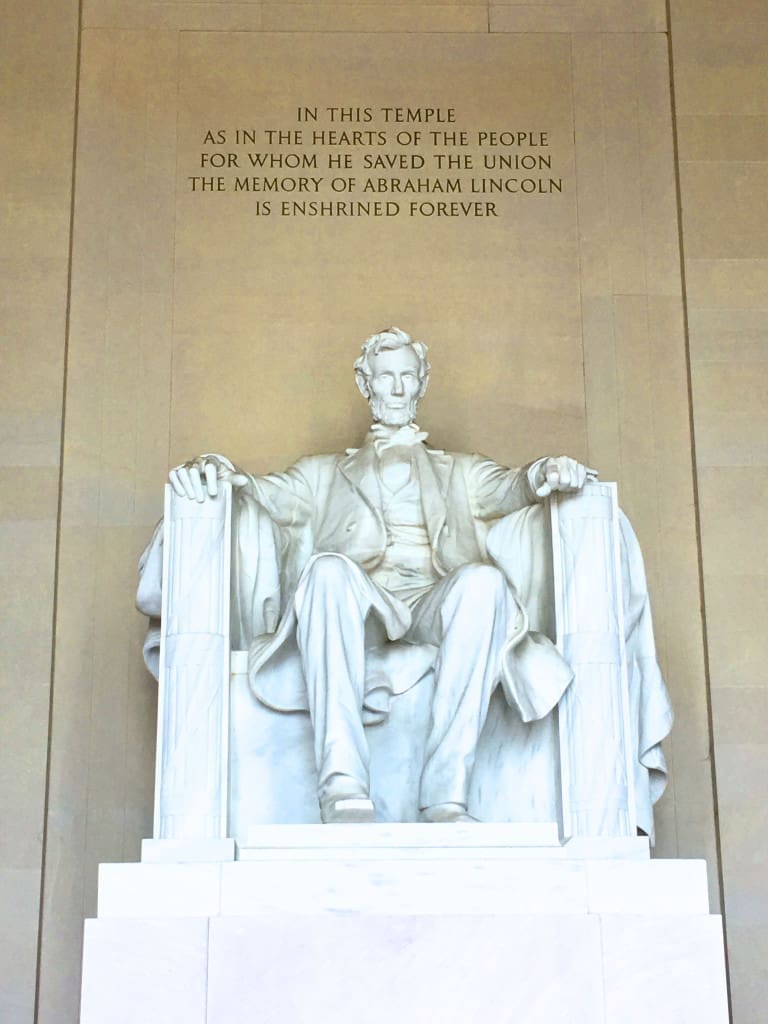
The Lincoln Memorial honors the 16th president of the United States, Abraham Lincoln.
An example of neoclassicism, it is in the form of a classical temple and is located at the western end of the National Mall.
I honestly forgot just how large he was until I visited. It’s truly incredible just how lifelike he is, even in stone.
⏳ Duration: 15 minutes
🎟️ Tickets: FREE!
5. Washington Monument
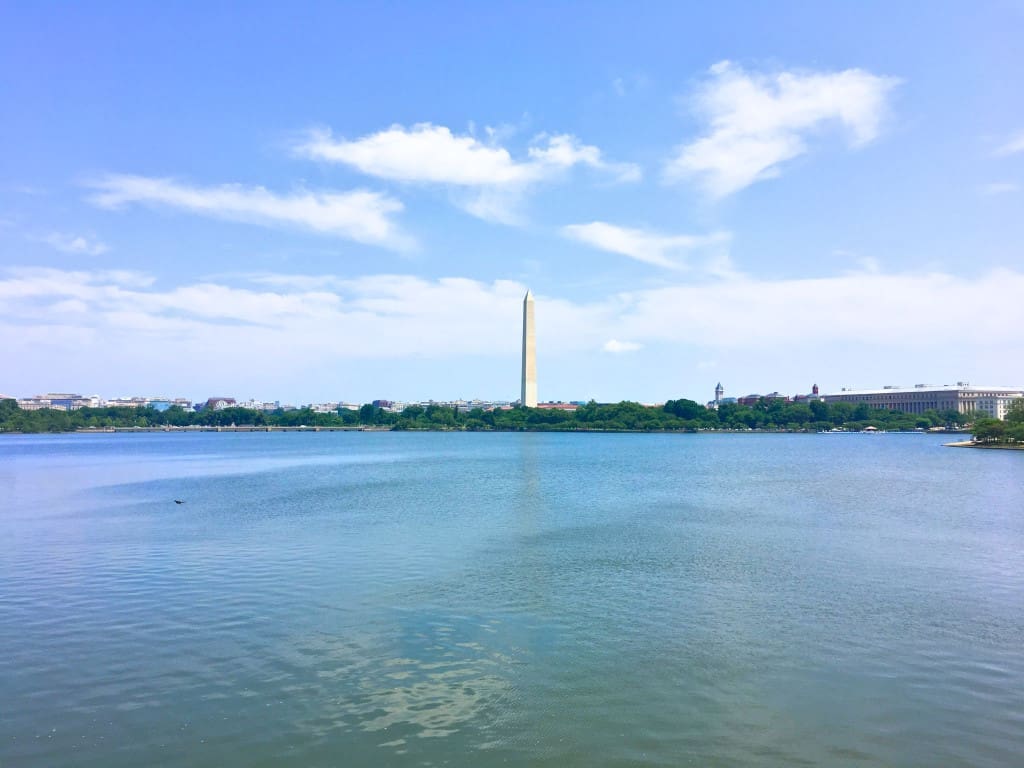
The Washington Monument is tough to miss when going through this list of things to do in Washington DC, since it stands tall as an obelisk on the National Mall.
Built to commemorate George Washington, it stands east of the Reflecting Pool and the Lincoln Memorial.
You can enter the Washington Monument, though honestly, I forgot about this on my trip as it doesn’t look like an observation deck is at the top.
Note: Those uncomfortable with heights, enclosed spaces, crowding, and elevators should consider that the Washington Monument involves all these experiences.
⏳ Duration: 1 hour
🎟️ Tickets: Tickets are required to enter, they are only $1, or you can get free, same-day tickets at the Washington Monument Lodge on 15th Street nearby. As supplies are limited, they strongly recommend advance reservations.
6. Thomas Jefferson Memorial
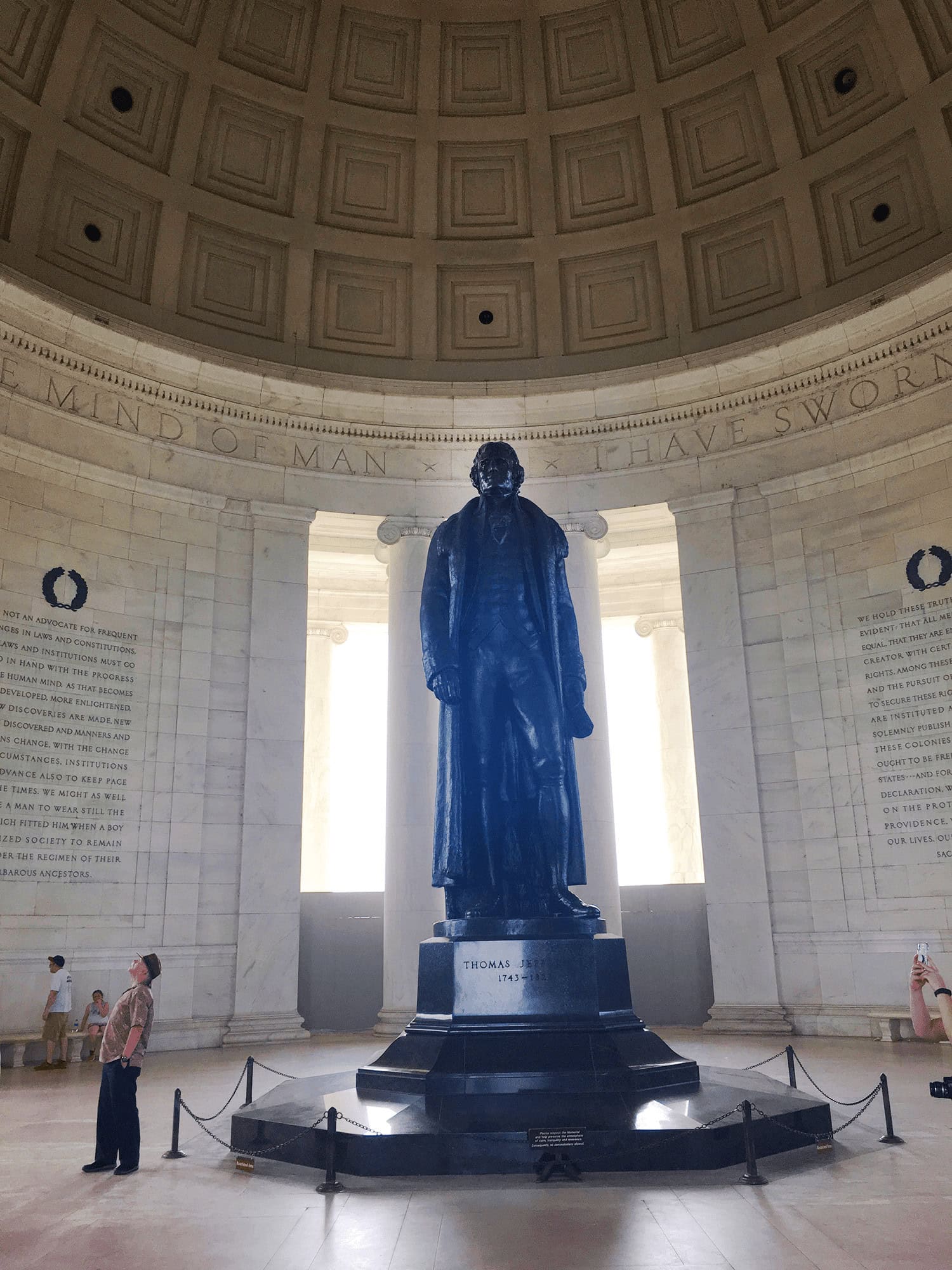
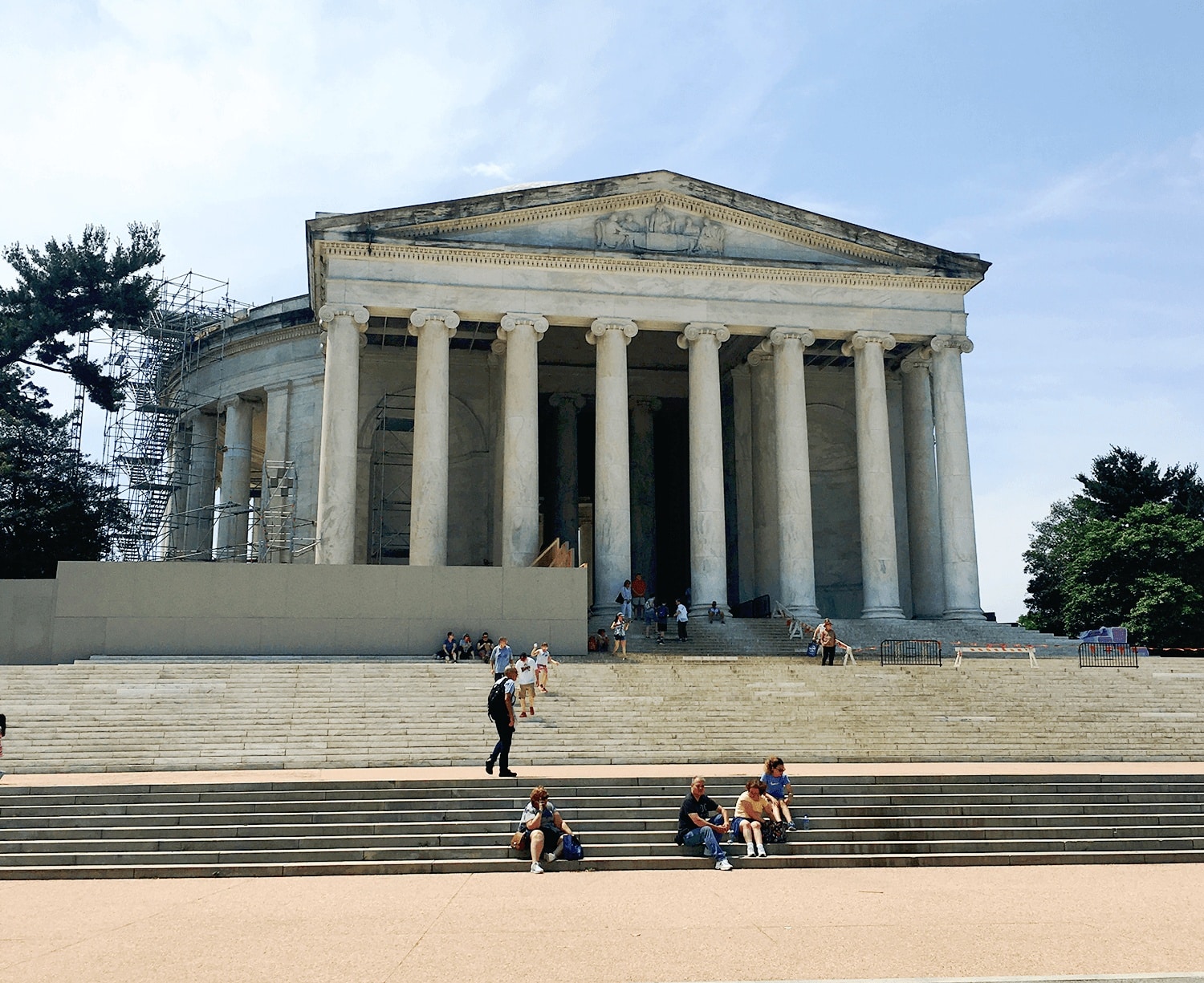
Built in honor of Thomas Jefferson, between 1939 and 1943, the memorial features multiple quotes from Jefferson intended to capture his ideology and philosophy.
Also built in the neoclassical style, it is situated in West Potomac Park on the shore of the Potomac River.
This memorial is located on the edge of the National Mall, so it is a bit of a walk from the other things to do in Washington DC, I’ve listed here. However, don’t let that deter you from visiting, as I loved this memorial.
That’s partly due to my wonderful experience with an actor portraying Jefferson at Colonial Williamsburg, but I highly recommend a visit nonetheless.
⏳ Duration: 15 – 30 minutes
🎟️ Tickets: FREE
7. WWII Memorial
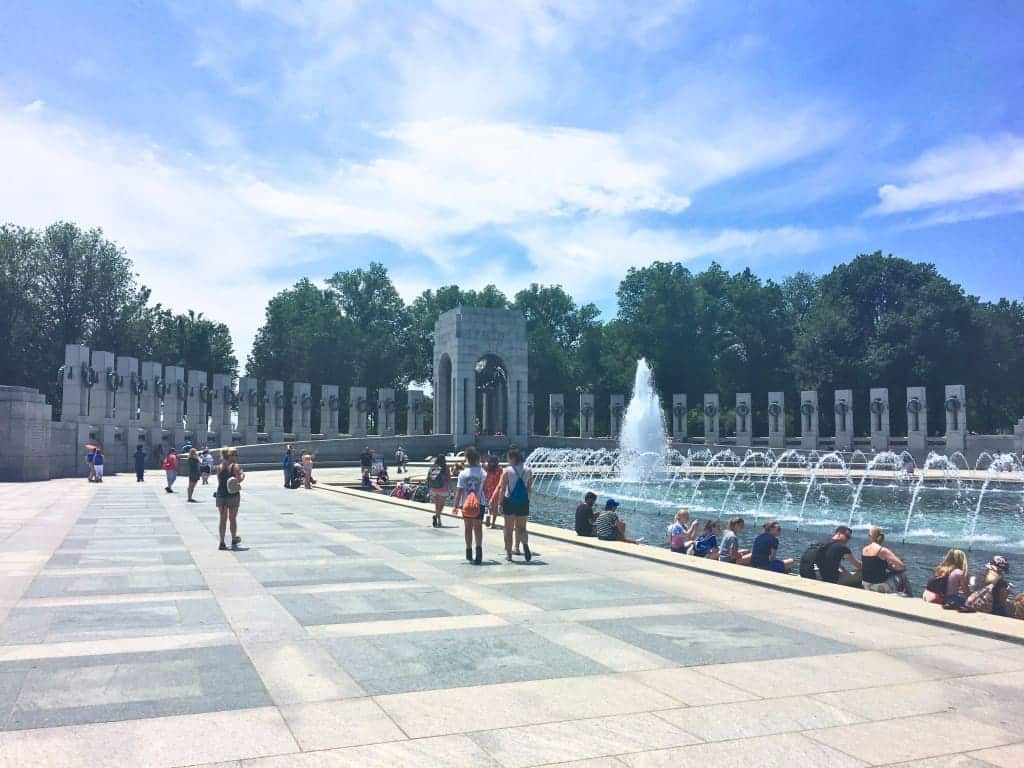
The World War II Memorial is dedicated to the Americans who served in the armed forces and as civilians during World War II.
Located between the Lincoln Memorial and the Washington Monument, this memorial consists of 56 granite pillars decorated with bronze laurel wreaths representing U.S. states and territories.
A pair of small triumphal arches represent the Atlantic and Pacific theaters, all surrounding the oval plaza and fountain. On its short axis is a memorial wall of gold stars representing the fallen.
It’s a beautiful waypoint, especially between the imposing Lincoln and Washington monuments.
⏳ Duration: 15 – 30 minutes
🎟️ Tickets: FREE
8. MLK Memorial

The Stone of Hope is a granite statue commemorating Civil Rights Movement leader Martin Luther King Jr.
The memorial design is inspired by a line from King’s “I Have a Dream” speech: “Out of the mountain of despair, a stone of hope.”
The official address of the monument, 1964 Independence Avenue, S.W., commemorates the Civil Rights Act of 1964.
It is also in the sightline of the Lincoln Memorial to the northwest, where King famously gave the “I Have a Dream” speech in 1963.
The MLK Memorial is an excellent place to stop after the Lincoln Memorial since the two are so connected.
⏳ Duration: 15 – 30 minutes
🎟️ Tickets: FREE
9. Korean War Veterans Memorial

Located southeast of the Lincoln Memorial, the Korean War Veterans Memorial memorializes those who served in the Korean War (1950–1953).
It includes 19 statues representing U.S. military personnel in action.
In 2022, the memorial was expanded to include a granite memorial wall engraved with the names of U.S. military personnel (and South Koreans embedded in U.S. military units) who died in the war.
What stands out about the memorial is how life-like these statutes are. It’s shocking as you approach them as they appear real.
⏳ Duration: 15 – 30 minutes
🎟️ Tickets: FREE
Smithsonian Museums
10. National Museum of American History
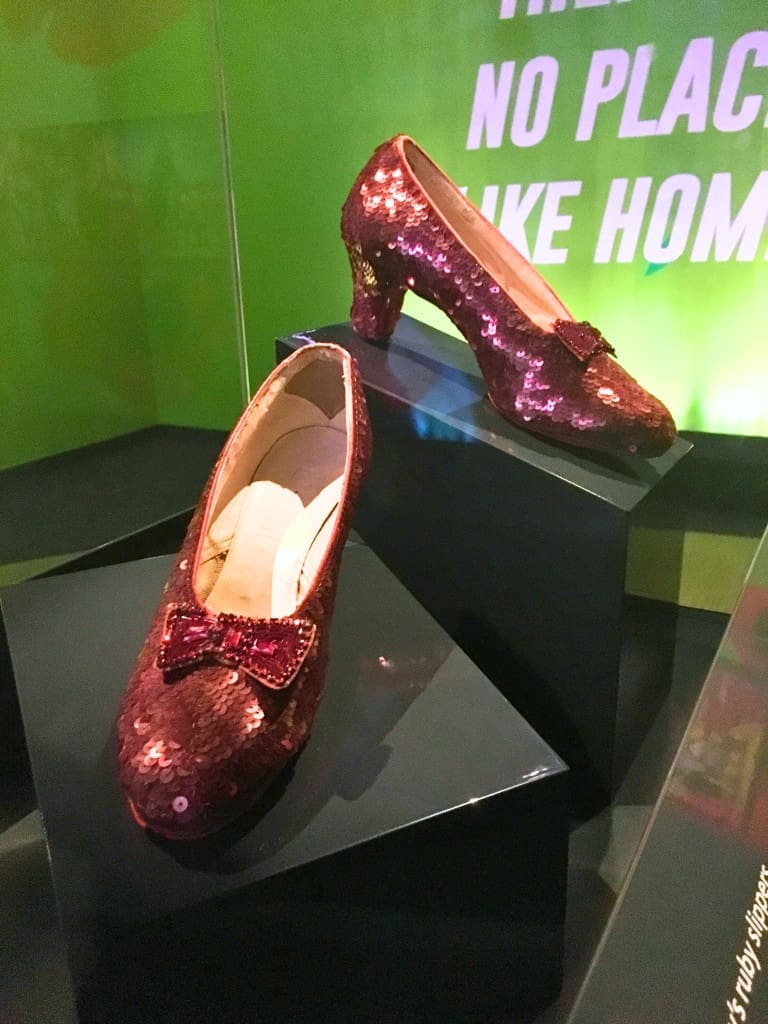
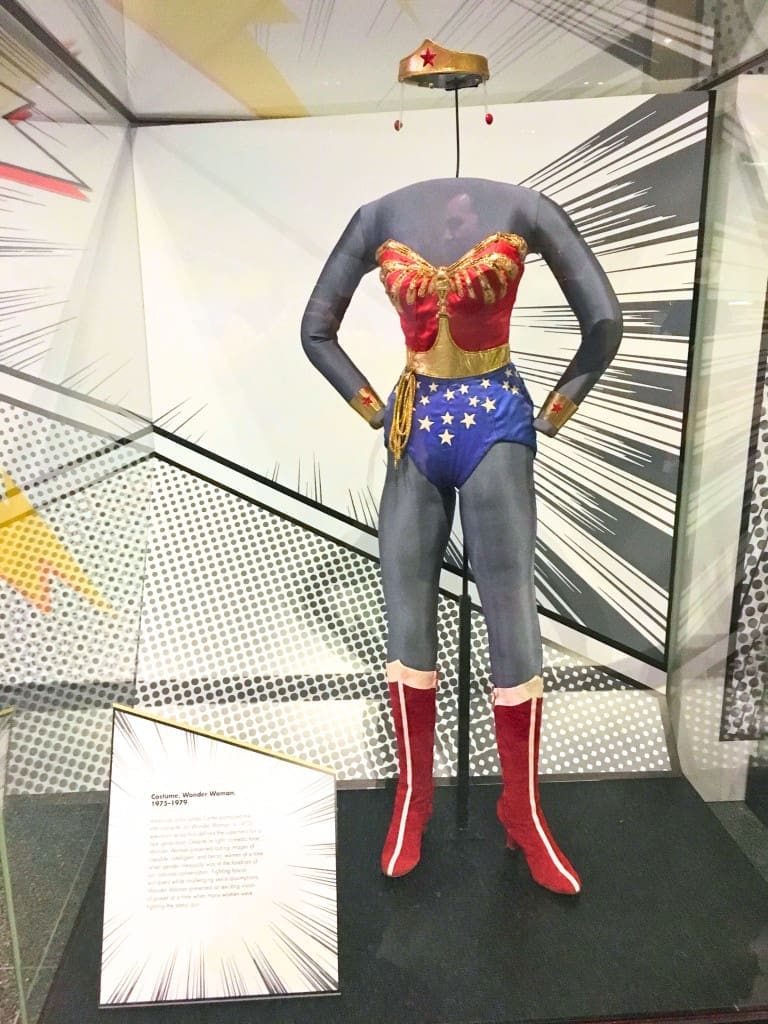
The National Museum of American History is a museum that collects, preserves, and displays the United States’s heritage in social, political, cultural, scientific, and military history.
Among the items on display are the original Star-Spangled Banner, Dorothy’s Ruby Slippers, George Washington’s Uniform, Abraham Lincoln’s Top Hat, Alexander Graham Bell’s Large Box Telephone, C-3PO from Star Wars Return of the Jedi, and a RMS Titanic Life Vest.
What I found most interesting about this museum was the range of items. Here, they value Lincoln’s top hat as much as C-3PO because they are both influential to the American people.
It’s also just a museum that has a bit of something for everyone—history buffs or pop-culture nerds.
⏳ Duration: 2 hours
🎟️ Tickets: FREE
11. National Museum of the American Indian
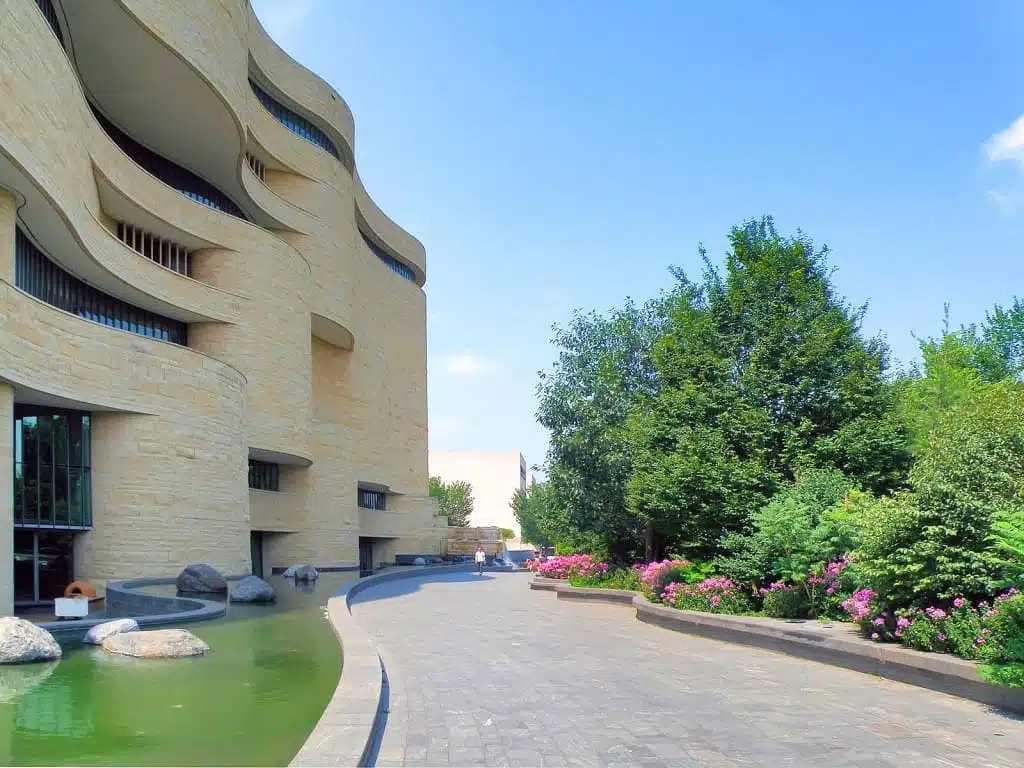
The National Museum of the American Indian is devoted to the culture of the Indigenous peoples of the Americas.
It houses one of the world’s most expansive collections of Native objects, photographs, and media, covering the entire Western Hemisphere from the Arctic Circle to Tierra del Fuego.
The museum’s curvilinear architecture, indigenous landscaping, and exhibitions, all designed in collaboration with tribes and communities, combine to give visitors insight into the sense and spirit of Native America.
They had so many colorful artifacts on display, which helped to give a sense of the culture of Native Americans.
Even though this is a smaller exhibit, I appreciated that they also included older and newer artifacts to show the progression of that culture.
⏳ Duration: 30 – 45 minutes
🎟️ Tickets: FREE
12. National Air and Space Museum
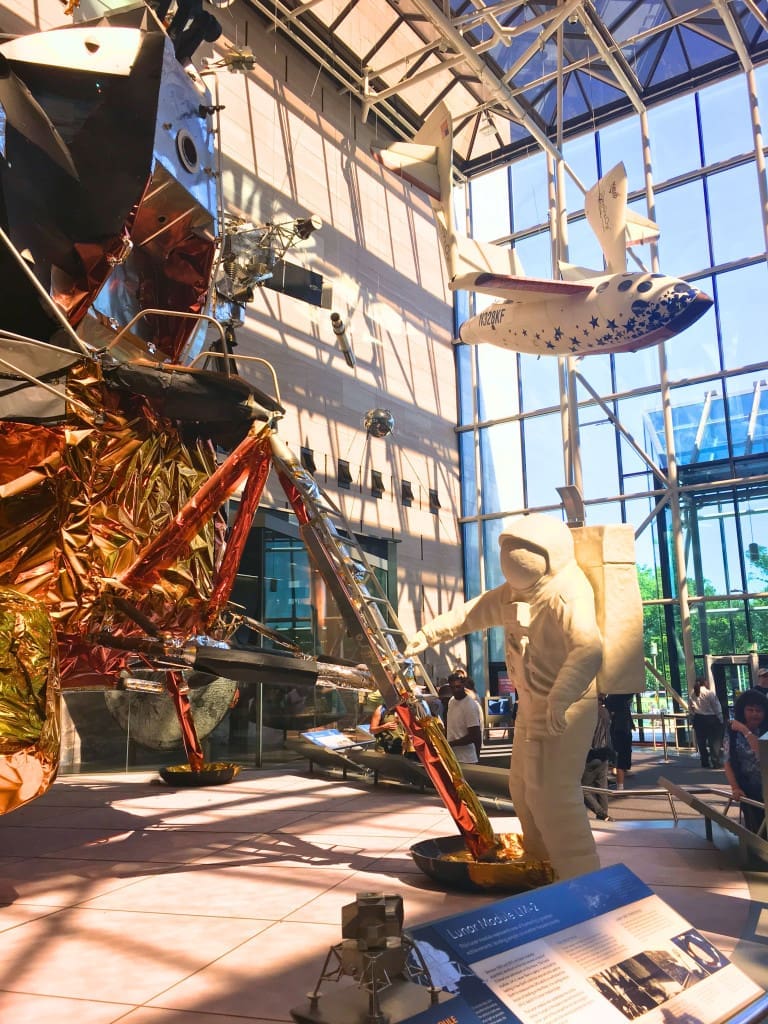
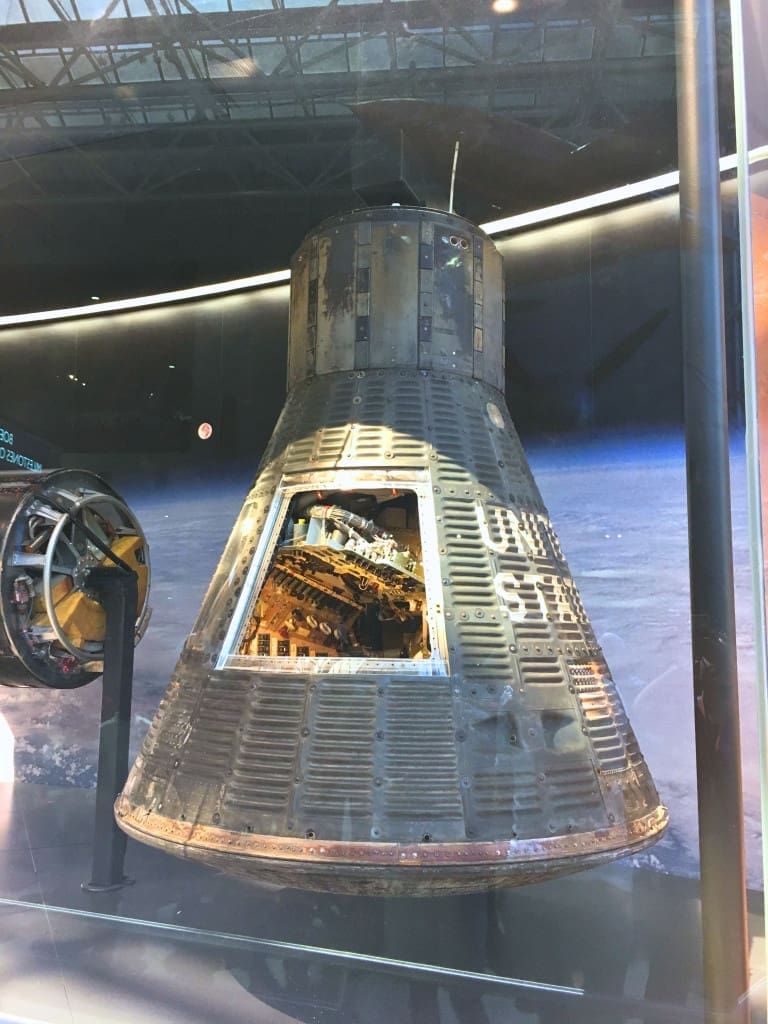
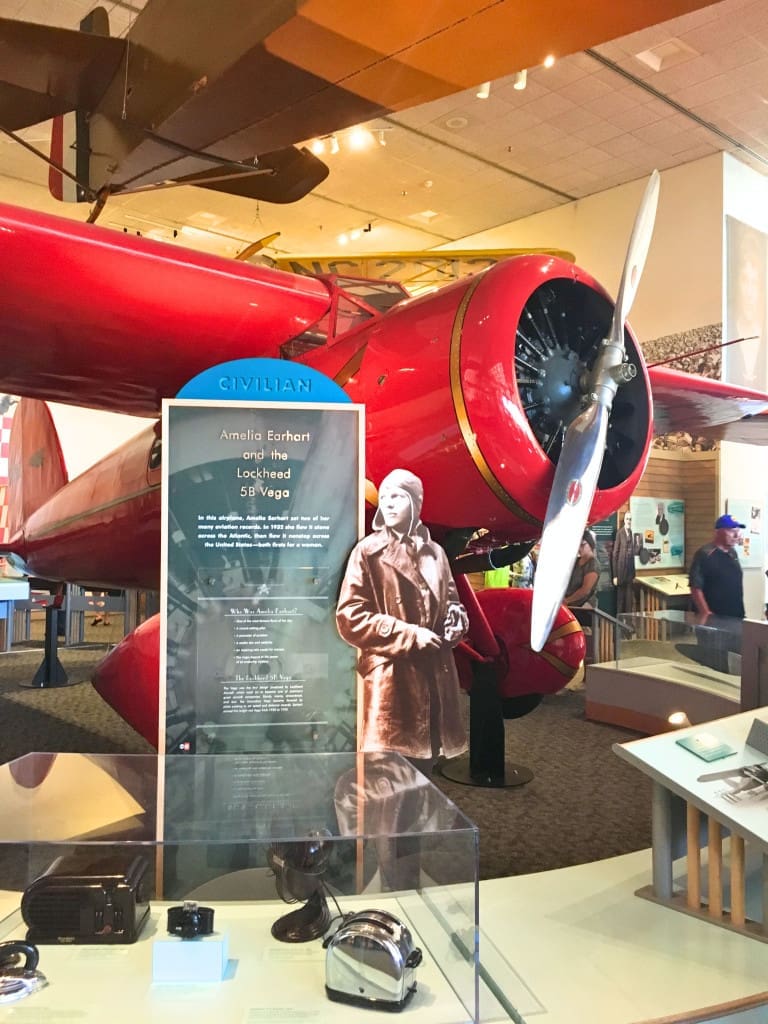
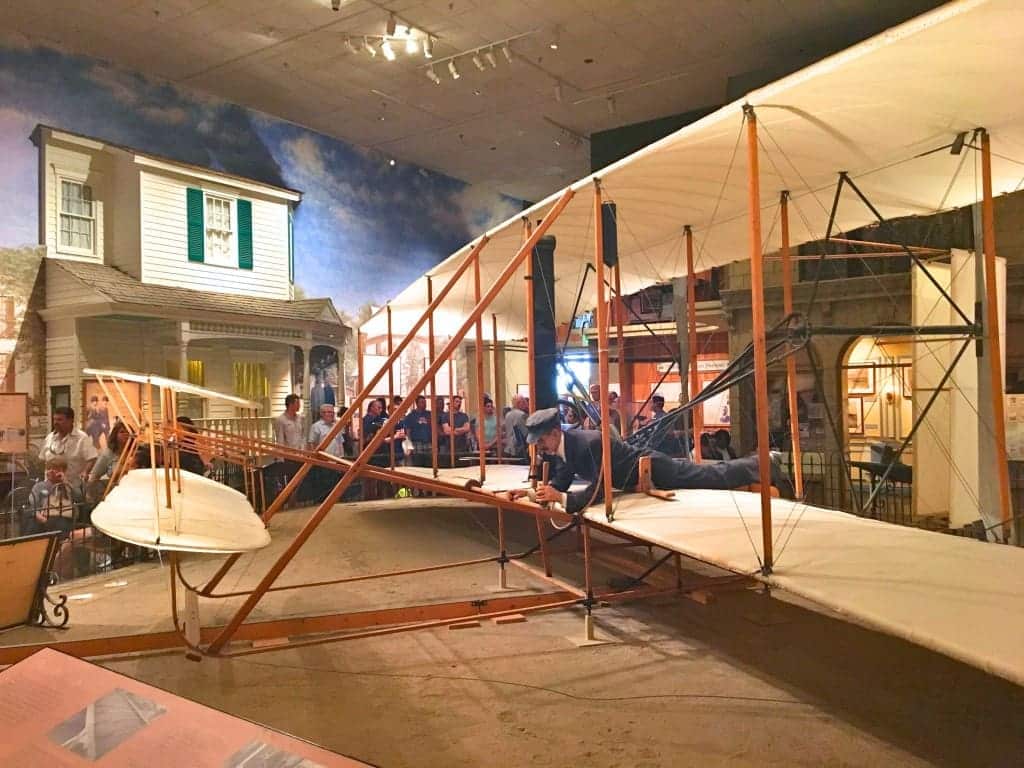
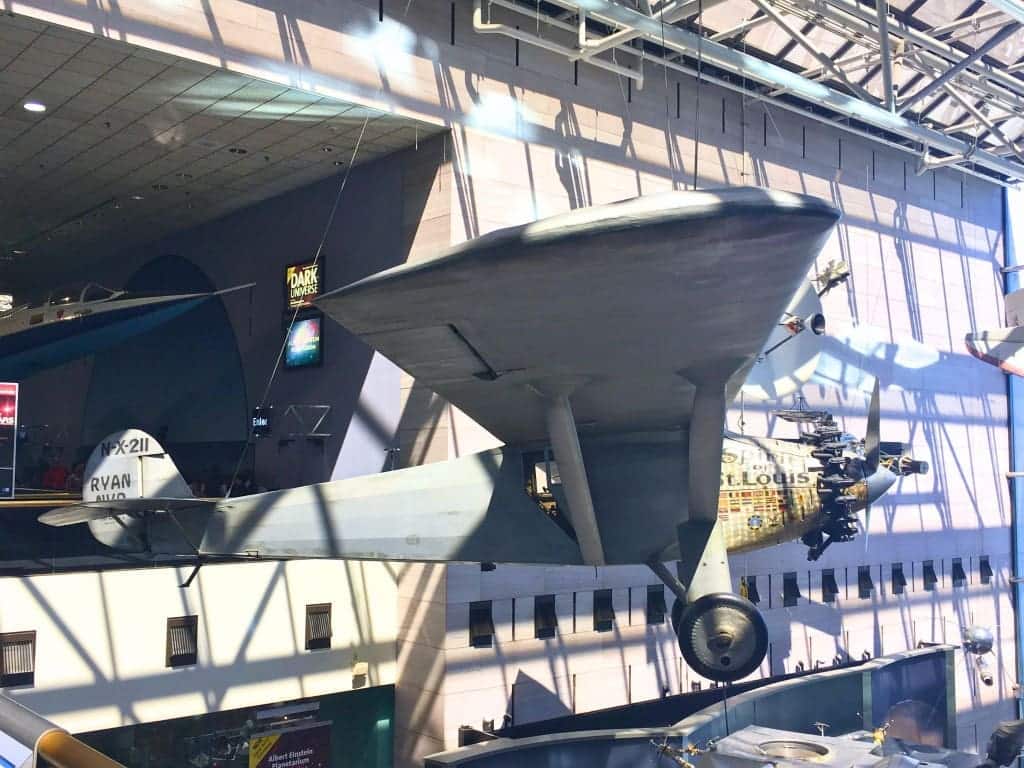
Now, to the Smithsonian I spent the most time in—the National Air and Space Museum!
Yes, it’s partly because I’m a nerd fascinated by space.
However, it’s also because it was sweltering in DC when I was there, and they had fantastic air conditioning! I spent a good few hours in their Planetarium, watching film after film to chill in cool air and darkness.
The National Air and Space Museum is dedicated to human flight and space exploration. It’s also a center for research into the history and science of aviation and spaceflight, planetary science, terrestrial geology, and geophysics.
Don’t worry—you don’t need to be a science expert to understand any of these. The museum makes all this easily digestible.
Almost all of its spacecraft and aircraft on display are original primary or backup craft (rather than reproductions).
Its collection includes the Apollo 11 Command Module Columbia, the Friendship 7 capsule flown by John Glenn, Charles Lindbergh’s Spirit of St. Louis, the Bell X-1 which broke the sound barrier, and the Wright brothers’ Wright Flyer airplane.
Many of these are suspended in the air, so you feel as if they are flying above you.
⏳ Duration: Duration: 1 – 2 hours (more if you’re escaping the heat!)
🎟️ Tickets: FREE! But a timed-entry pass is required!
13. Steven F. Udvar-Hazy Center
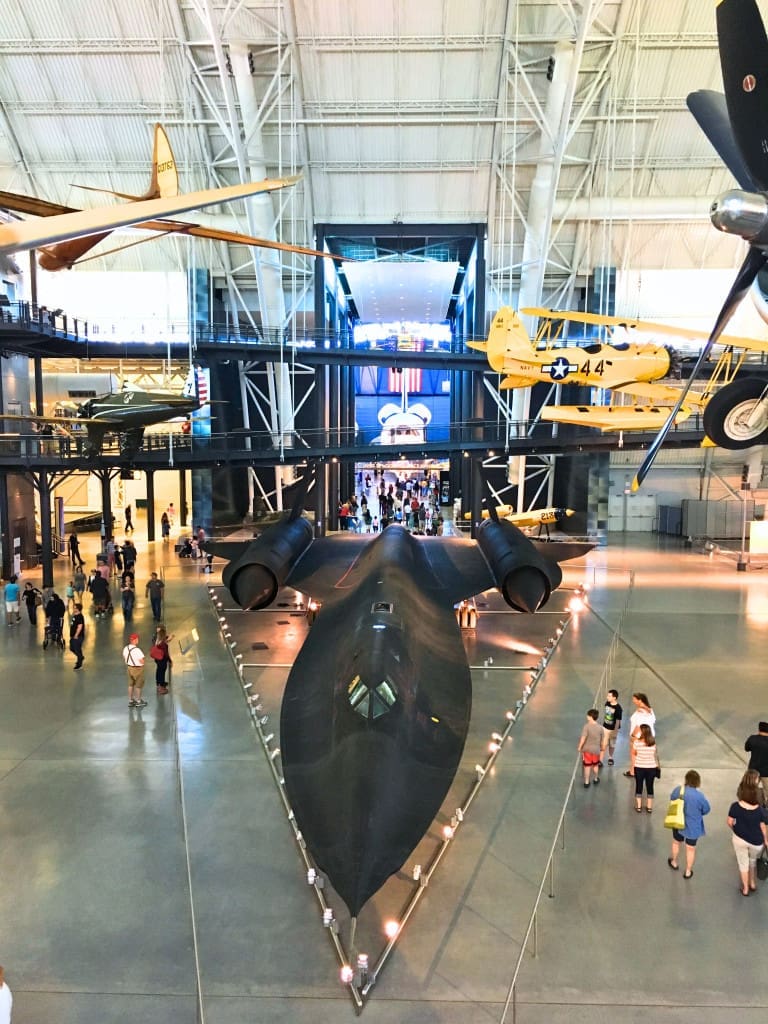
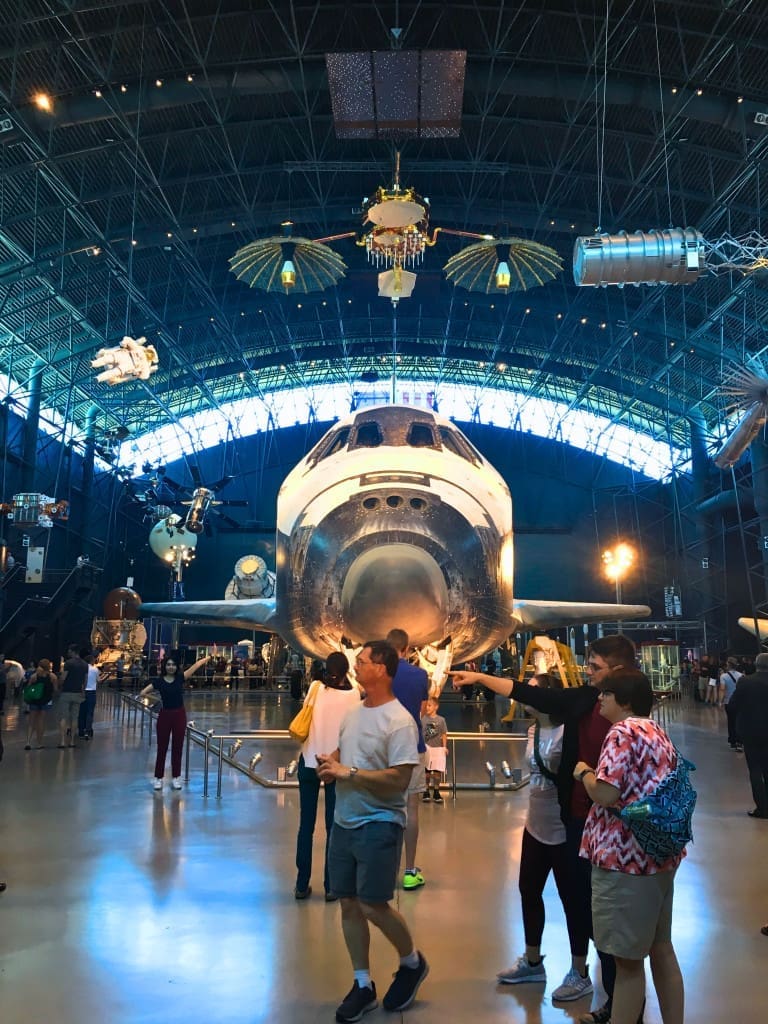
Part of the National Air and Space Museum, the Steven F. Udvar-Hazy Center is located outside of DC in Chantilly, Virginia, a 30 to 45-minute drive from the city center.
I took the Metrorail as far as possible, and then a family member picked me up and drove us the rest of the way. You could do the same, but swap an Uber or Metrobus for the latter half and get there within an hour and a half.
This 760,000-square-foot (71,000 m2) museum, housed in two large hangars, displays thousands of aviation and space artifacts, including the Space Shuttle Discovery, a Blackbird SR-71, and a Concorde.
After seeing the Space Shuttle Endeavour in Los Angeles, it was a treat to see another up close!
If you’re not a huge fan of space, then this is likely something you can skip on your list of things to do in Washington DC, since it is a bit of a journey to get here.
⏳ Duration: 2 – 4 hours
🎟️ Tickets: FREE!
14. National Portrait Gallery

The National Portrait Gallery (NPG) is an art museum that’s collections focus on images of American artists, politicians, scientists, inventors, activists, and performers who have contributed to the nation’s history, development, and culture.
Housed in the historic Old Patent Office Building, this is where you can find the official Presidential Portrait of Barack Obama was painted by Kehinde Wiley.
When I visited, this portrait was still relatively new and drew many to its colorful canvas! It’s definitely worth a look!
Make sure to download the SMARTIFY app, it’ll give you access to free audio guides and collection tours.
⏳ Duration: 2 – 3 hours
🎟️ Tickets: FREE! OR💡Combine the Gallery with the Archives in one tour.
15. The United States Botanic Garden
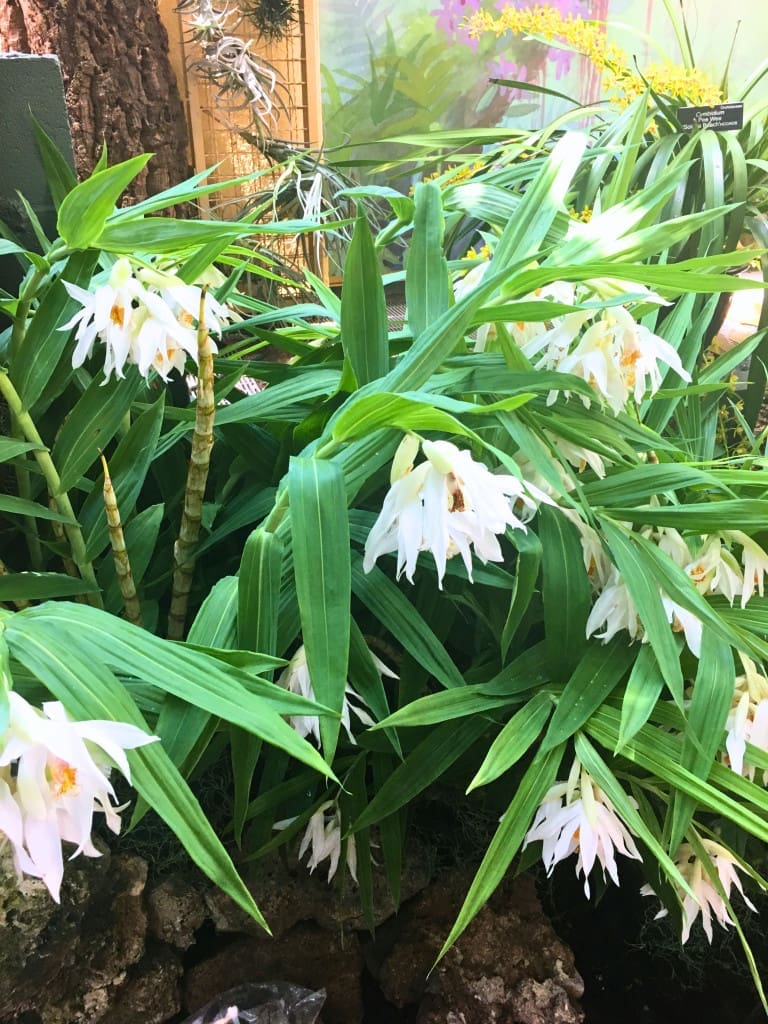
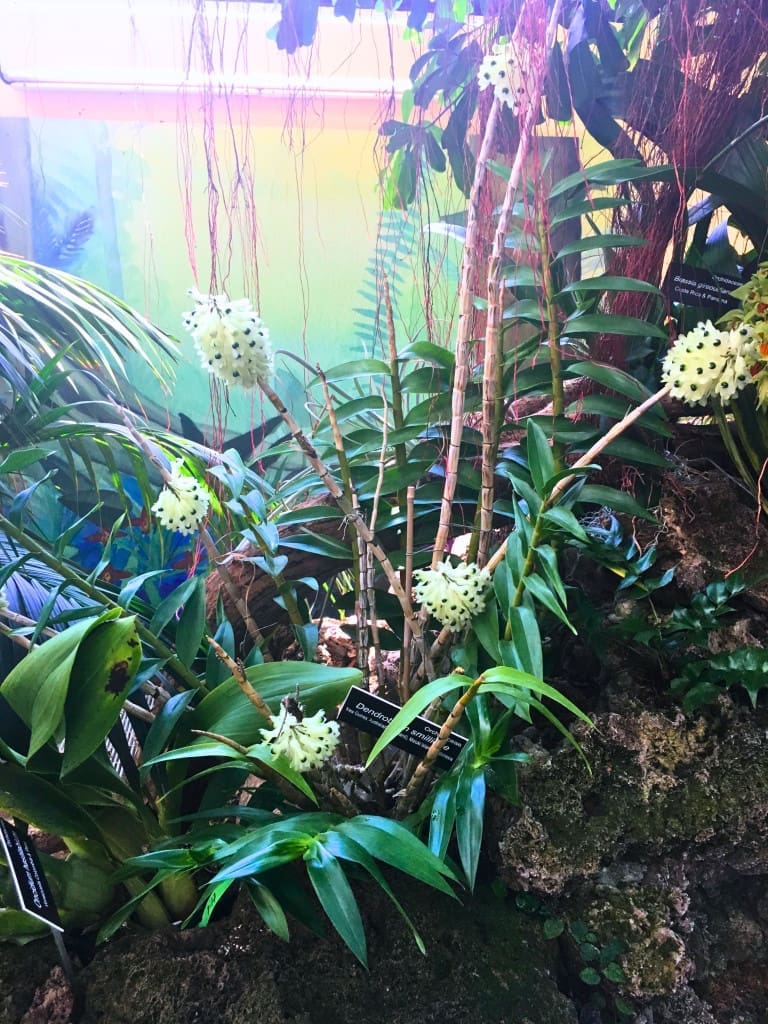
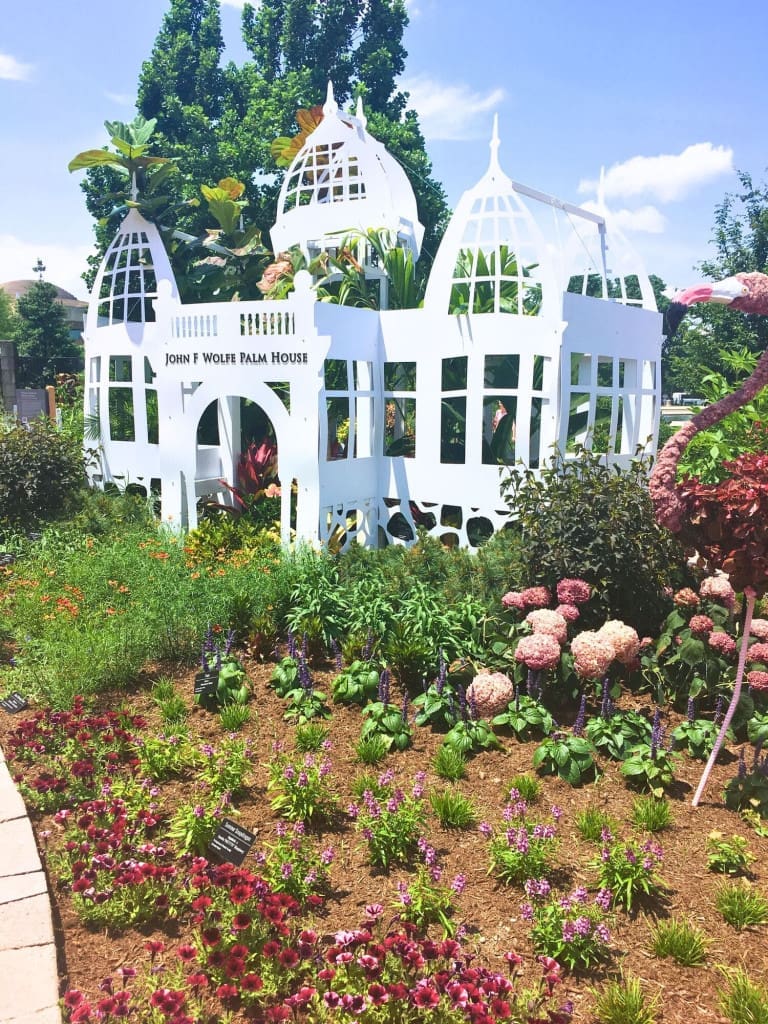
Admittedly, Botanic Gardens aren’t usually my thing, but my cousin, who worked at the Smithsonian for a time, suggested it.
However, I would highly recommend against visiting during peak heat hours. Why?
Because they keep it warm in there. It was already sweltering outside and humid, so I wanted to escape that. I didn’t find that here.
But if you visit in the morning or evening, it’ll likely be a better experience than mine.
The United States Botanic Garden is one of the oldest botanic gardens in North America.
The Garden informs visitors about the importance, fundamental value, and diversity of plants, as well as their aesthetic, cultural, economic, therapeutic, and ecological significance. It also strives to demonstrate and promote sustainable practices.
The Garden offers a variety of exhibits, tours, and programs for visitors of all ages.
Again, I didn’t experience much of this because I was so overwhelmed by the heat, but I encourage you to check it out on your things to do in Washington DC list, especially if you are fond of gardens, as it was beautiful.
⏳ Duration: 1 – 2 hours
🎟️ Tickets: FREE!
Museums and Libraries
16. National Gallery of Art

The National Gallery of Art is an art museum that contains a collection of paintings, drawings, prints, photographs, sculptures, medals, and decorative arts that trace the development of Western art from the Middle Ages to the present, including the only painting by Leonardo da Vinci in the Americas and the largest mobile created by Alexander Calder.
Admittedly, as a big da Vinci nerd, I went for the da Vinci. But there is a LOT more to this museum than just that one painting.
There are also works of art from Vermeer, Monet, Manet, Raphael, Rodin, Degas, Gauguin, Picasso, and many more.
Looking for a more urban style of art? You won’t have to wander far to find unique street art around DC.
If art is of little interest to you, this is a good one to skip on your things to do in Washington DC list.
⏳ Duration: 2 – 3 hours
🎟️ Tickets: FREE! You can also take a guided tour or an audioguide tour.
17. Folger Shakespeare Library
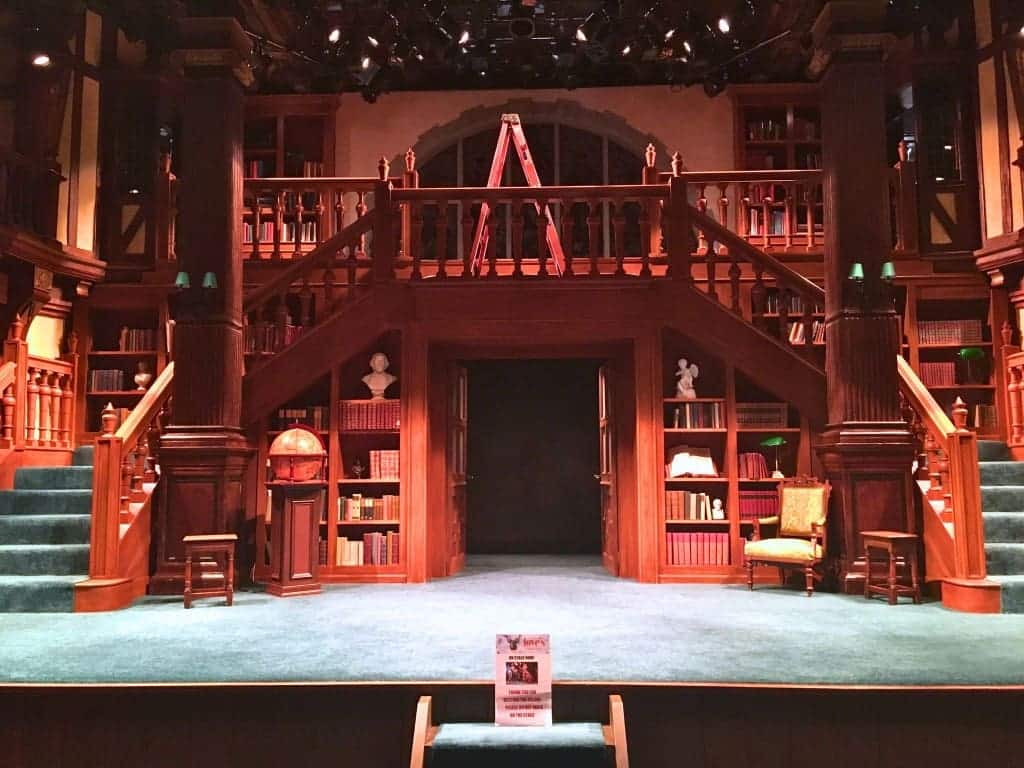
Another one of my favorites on this list is the Folger Shakespeare Library.
Do you think England has the world’s largest collection of William Shakespeare’s printed works? Nope! Think again—that’s the Folger!
After visiting Stratford-upon-Avon, Shakespeare’s hometown, years ago, I had no idea that most of his legacy now resided outside England.
As an independent research library, they are a leader in methods of preserving rare materials and a primary repository for said materials from Britain and Europe’s early modern period (1500–1750).
Established by Henry Clay Folger and his wife, Emily Jordan Folger, the library offers advanced scholarly programs and national outreach to K–12 classroom teachers on Shakespeare education.
If you’re not a scholar, there are areas you’re not allowed to access at the library, but they do have a small exhibit and a theater that offers performances and events throughout the year.
While no official tour is given, I found the employees there insightful and responsive to any questions I asked.
⏳ Duration: 30 – 45 minutes
🎟️ Tickets: FREE! However, they recommend that you reserve a pay-what-you-will timed-entry pass, with a suggested donation starting at $15.
Paid Attractions Worth the Money
18. International Spy Museum
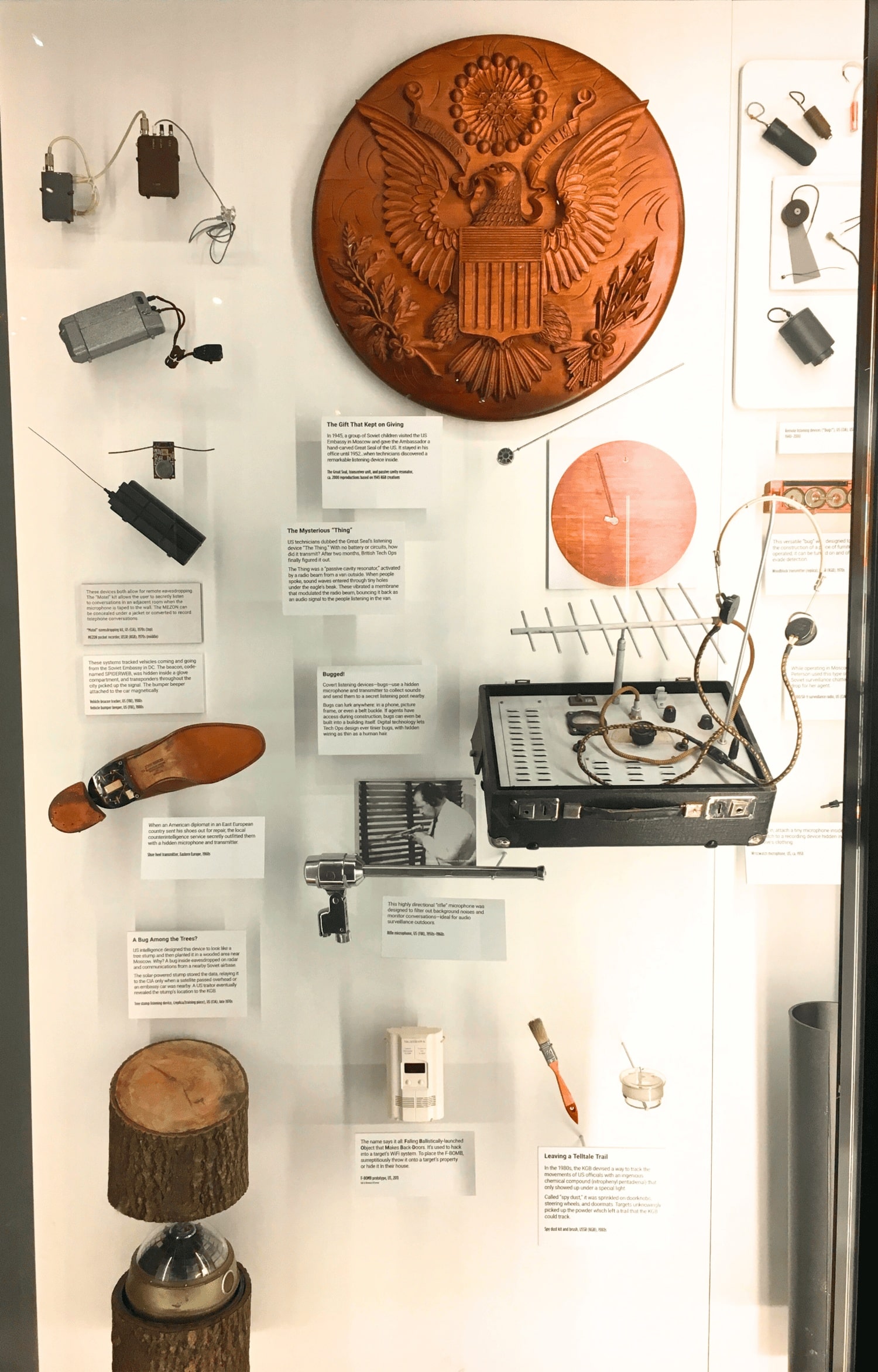
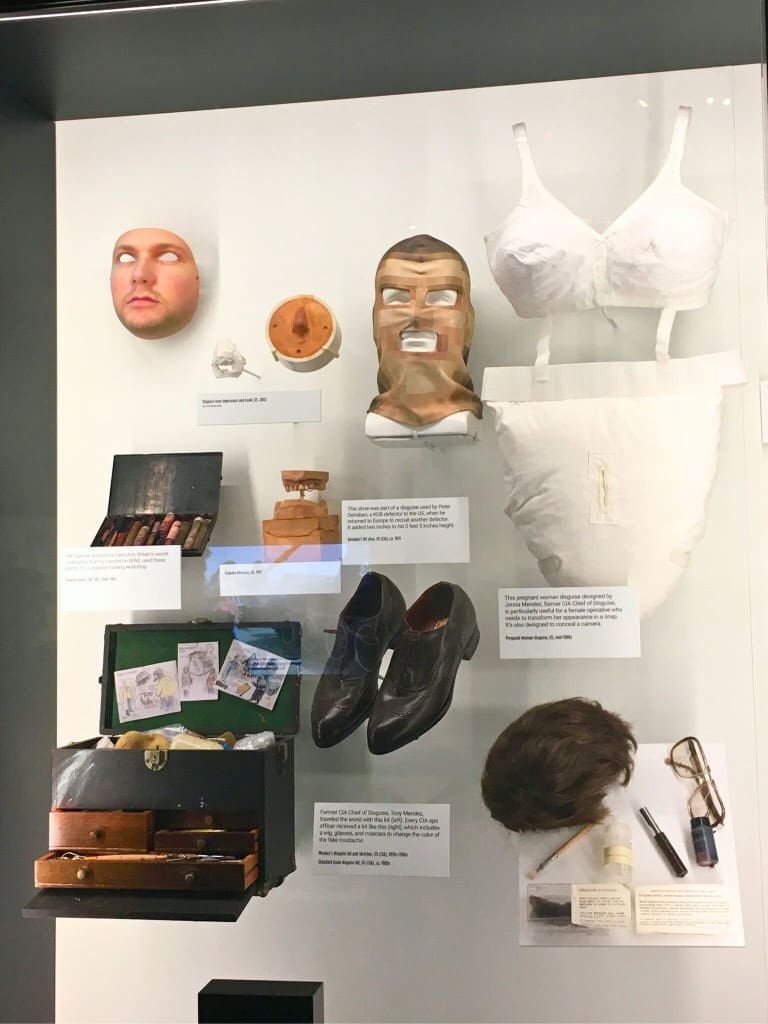
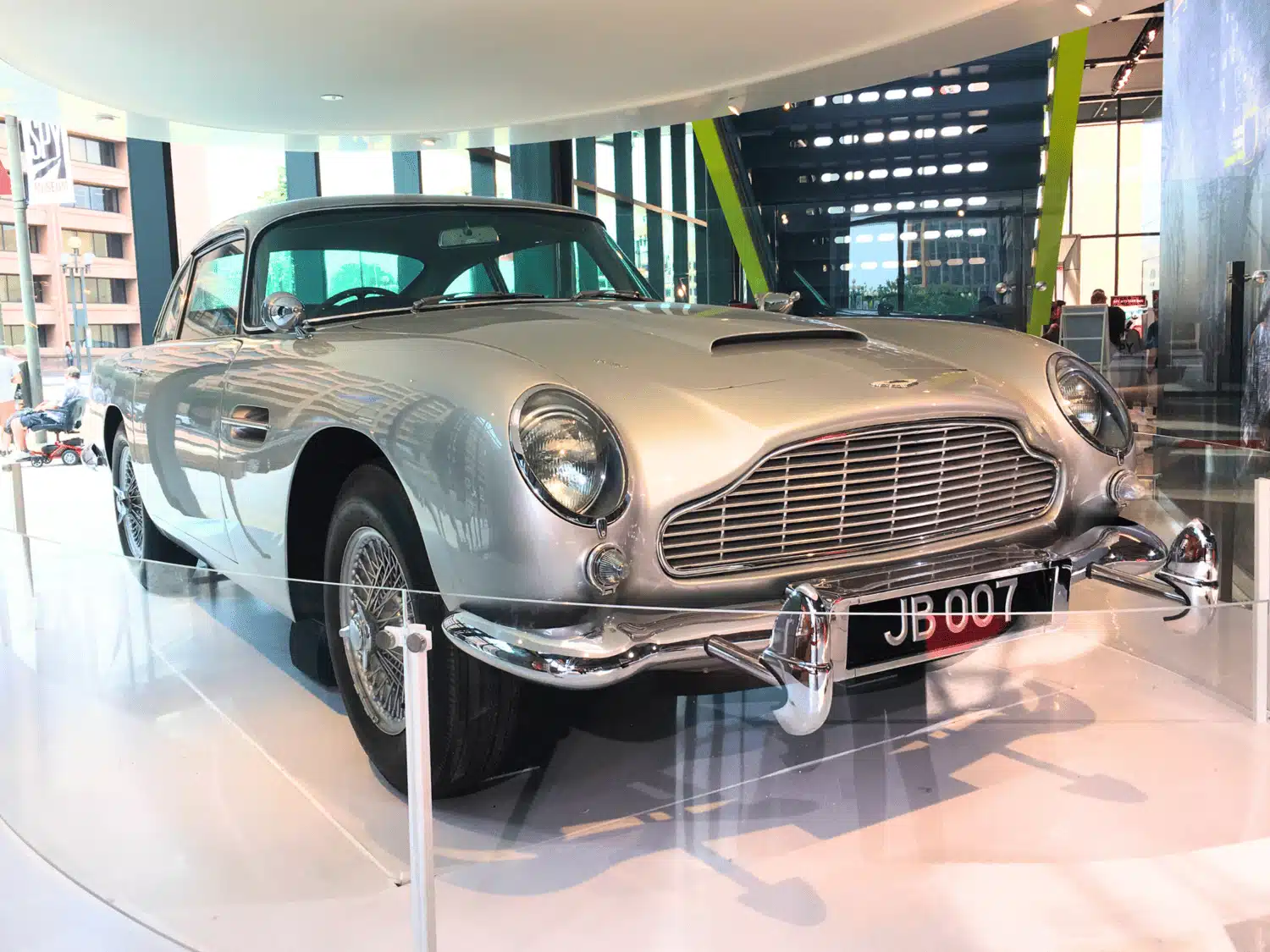
One of my favorites on this list is the International Spy Museum!
This museum was relatively new when I visited, and I was so thrilled to find a museum dedicated to the art of espionage.
As a massive fan of films like Salt, which is the best spy film in my opinion, I wanted to see what the real life of spies is like.
What this museum does best is balance the intrigue with the real-world consequences of spying. It grounds it without being too bogged down with details that may become difficult to process.
It was even engaging for children with interactive exhibits.
⏳ Duration: 2 hours
🎟️ Tickets: Book online in advance.
19. George Washington’s Mount Vernon

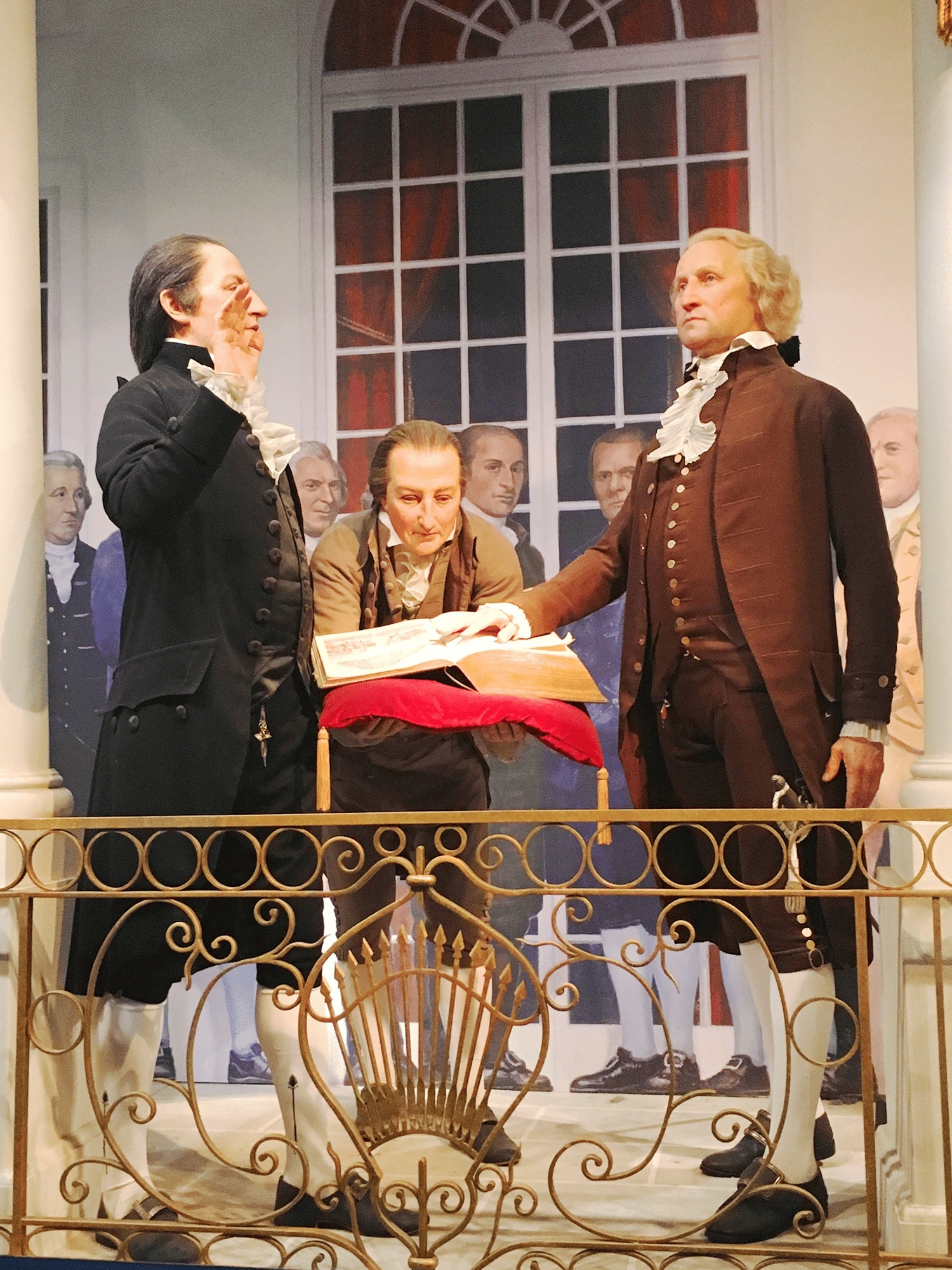

Mount Vernon is another item on this list of things to do in Washington DC that’s out of the city.
But I wanted to add it here since it is relatively close, an hour and a half via public transport and between 30 minutes to one hour by car.
Home to one of the Founding Fathers, commander of the Continental Army, and the first president of the United States, and his wife, Martha, Mount Vernon is a historical landmark.
The estate lies on the banks of the Potomac River in Fairfax County, Virginia, and is a must-visit for any history buff.
This estate offers many activities, such as touring his 18th-century home, strolling in the gardens, visiting museum galleries, and more. If you have the time, you could fill an entire day here.
When I visited, they were refurbishing his home, but I could still go inside and view it.
The museum exhibit covers George Washington’s life, starting with his first job as a surveyor. It moves on to his leadership during the French and Indian War, his growing businesses at Mount Vernon, his time in the Revolutionary War, and, of course, our nation’s founding.
When I arrived at Mount Vernon, it was later in the day, so the next available tour was the National Treasure Tour.
Not that I’m not a fan of the films; I just didn’t expect there to be a tour solely dedicated to them! Part of the second film, National Treasure: Book of Secrets, was filmed here.
It’s possible I missed this tour, or they might not have had it then, but I’d be remiss if I didn’t mention the Hamilton the Musical Tour at Mount Vernon, which explores Washington’s role in the hit Broadway show.
⏳ Duration: 3+ hours
🎟️ Tickets: Don’t wait to book! This is a popular attraction, so get tickets online in advance to secure the day and time you want!
20. Washington DC Capitol Hill Haunts Tour
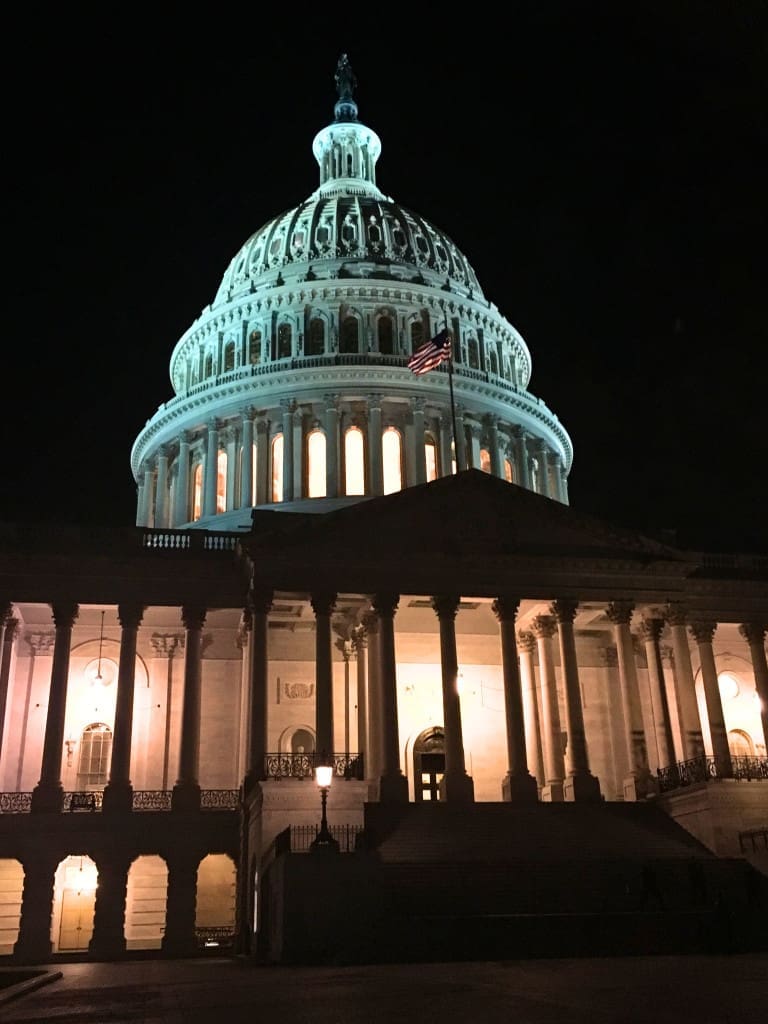
Many people forget when building their list of things to do in Washington DC, or any city for that matter, to plan for evening activities.
When I visited DC, I decided to check into ghost tours as they are an entertaining way to learn about a city from a unique perspective.
Usually, ghost tour guides are fun and insightful individuals, and my guide from Amerighost was no different!
She was a thrill to spend the evening with, especially as my friend and I were the only ones on the tour, so it worked out to be a private tour for us.
Capitol Hill is reportedly one of the most haunted sites in Washington DC! On this ‘Capitol Hill Haunts’ tour, we heard stories of feuding ghosts of past lawmakers in the House, hauntings surrounding the Lincoln Conspiracy trials, ghosts of Presidents, and a curse that surrounds everything on the Hill.
There are also supposed disturbances at the Folger Library and a Demon Cat that torments the guards of Capitol Hill even today.
In addition to learning more about the Supreme Court Building, the Library of Congress, and the US Capitol, our guide was knowledgeable about other landmarks, such as Mount Vernon.
She answered all our questions in great detail.
For those with mobility issues, the entire tour was on level ground and under a mile of distance.
⏳ Duration: 1.5 hours
🎟️ Tickets: Book online in advance.
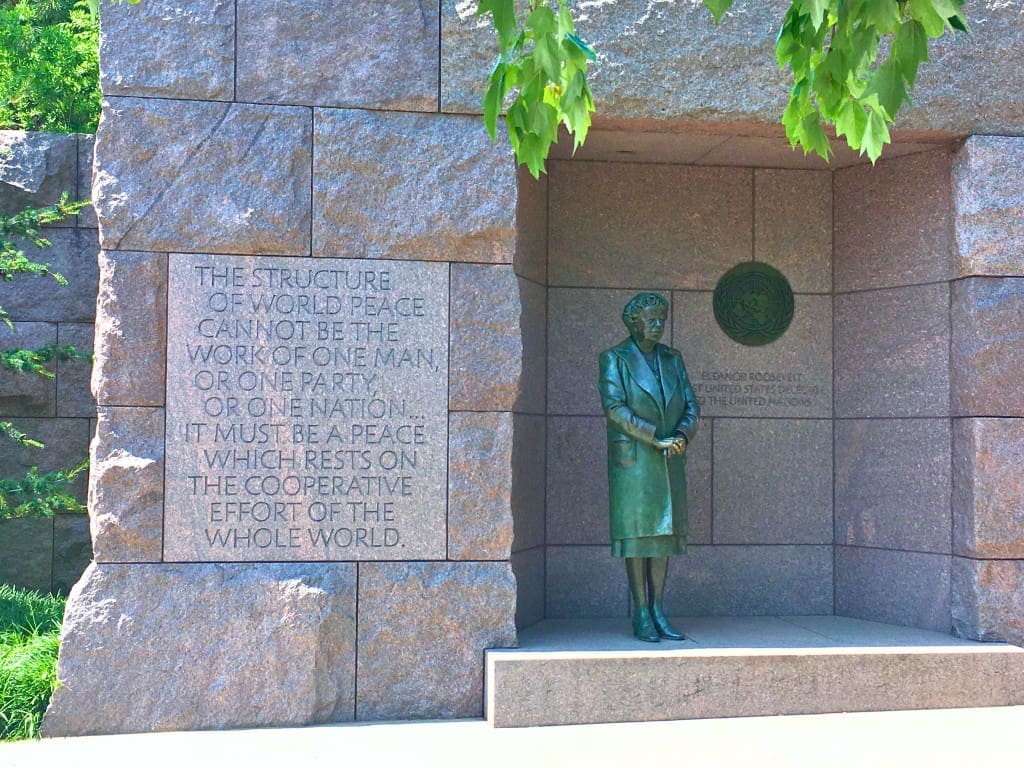
More Things to See in Washington DC
I only got to some things on my list, so here are a few extra places to check out if you’re still wondering what to do in DC, that you can add to your itinerary!
21. Treasury Building – A National Historic Landmark building that is the headquarters of the United States Department of the Treasury. An image of the Treasury Building is featured on the back of the United States ten-dollar bill. (Tours are available for citizens and legal residents of the United States. Register in advance with your Congressional Office.)
22. National Archives Museum – The original Declaration of Independence, Constitution, and Bill of Rights are housed in the Rotunda for the Charters of Freedom here. I visited years prior, which is why I didn’t visit on this trip, but I highly recommend adding the National Archives Museum to your itinerary.
🎟️ Book your skip-the-line tour in advance.
23. Bureau of Engraving and Printing – A government agency within the United States Department of the Treasury that designs and produces various security products for the United States government, most notably the Federal Reserve Notes for the Federal Reserve, the nation’s central bank.
24. National Postal Museum — A museum dedicated to the preservation, study, and presentation of postal history and philately (the study of stamps). It showcases the largest and most comprehensive collection of stamps and philatelic material globally.
25. The National Museum of Natural History — The National Museum of Natural History (NMNH) is dedicated to collecting and preserving the world’s largest collection of natural history specimens and human artifacts. Those looking for things to do in DC at night should check out “Night at the Museum.” It includes interactive adventures, games, crafts, and an optional overnight sleepover for children and families.
Sample Washington DC Itineraries
Washington DC in 1 Day
If you only have a single day, stick close to the National Mall so you’re not wasting time in transit.
Start early at the Library of Congress or the US Capitol, since both benefit from getting there before the crowds. From there, walk the Mall itself, hitting the Lincoln Memorial, WWII Memorial, and Washington Monument grounds, all quick stops of 15–30 minutes each.
Pick one Smithsonian museum to spend real time in, rather than rushing through several. The National Air and Space Museum is my top pick as it’s engaging for all ages.
If you have energy left in the evening, a ghost tour of Capitol Hill is a fun way to close out the day without needing reservations booked far in advance.
Washington DC in 2 Days
Two days is enough to slow down slightly and add a paid attraction or two.
Spend day one on the National Mall essentials, Library of Congress, Capitol tour, Lincoln Memorial, MLK Memorial, and one Smithsonian museum.
Save day two for a mix of paid and free sites farther from the Mall: the International Spy Museum, National Portrait Gallery, and National Gallery of Art, if you want to see the only da Vinci painting in the Americas.
This also leaves room to book timed-entry attractions like the White House or Library of Congress in advance without feeling rushed between them.
Washington DC in 3 Days
Three to four days is what I’d actually recommend if you want to cover DC’s main sites without rushing, and three gives you room to add one attraction outside the city center.
Use days one and two for the National Mall and Smithsonian museums as above, then dedicate day three to a half-day trip: George Washington’s Mount Vernon or the Steven F. Udvar-Hazy Center, depending on whether history or aviation interests you more.
Both require extra travel time (Mount Vernon is roughly 1.5 hours by public transport; Udvar-Hazy is a 30–45-minute drive), so building in a dedicated day rather than squeezing it into an already packed itinerary makes the trip much less stressful.
How to Get Around DC
There are several ways to get around DC. But most of this list is walkable, which is one of the many things I love about this city.
However, if you find yourself in need of public transport, here are your options:
- Metrorail: This expansive network of tunnels and above-ground tracks connects all four DC quadrants with suburban Virginia and Maryland. The Metrorail system is a convenient and affordable way for visitors to get around.
- Metrobus: Operates hundreds of routes throughout DC and the surrounding area, with over 1,400 eco-friendly buses.
- Car: Driving in the city can be stressful and expensive, as parking can be a nightmare and there is a lot of traffic. However, if you plan on doing a day trip outside the city, then it may be worth it. I rented a car in New Bern, NC, and then drove up my Hamilton road trip route to DC. Then, I returned it to the DC airport before taking an Uber into the city center.
- Ride-share: Uber and Lyft are both available in DC.
- Bike & Scooter: Unlimited Biking offers rentals from two locations in DC. Each rental comes with helmets, locks, and a map. Another option is Capital Bikeshare, which has over 350 stations across DC, Virginia, and Maryland. The first 30 minutes of each trip are free, with additional fees for each extra half hour.
- Regional Public Transit: The region, commonly referred to as the DMV, has various options to serve visitors looking to see sites outside the city.
- Fairfax Connector provides buses in Virginia
- The Virginia train system known as the VRE
- The MARC train in Maryland
- Other regional transportation systems are listed on WMATA’s website.
I primarily walked when I was visiting DC, other than when I used the Metrorail to get out to family and see Udvar Hazy (more on that later) and when I Ubered to the airport.
I could have taken the metro to the airport, but as I was dragging around my luggage, I opted for the ease of getting picked up.
Where to Stay in DC
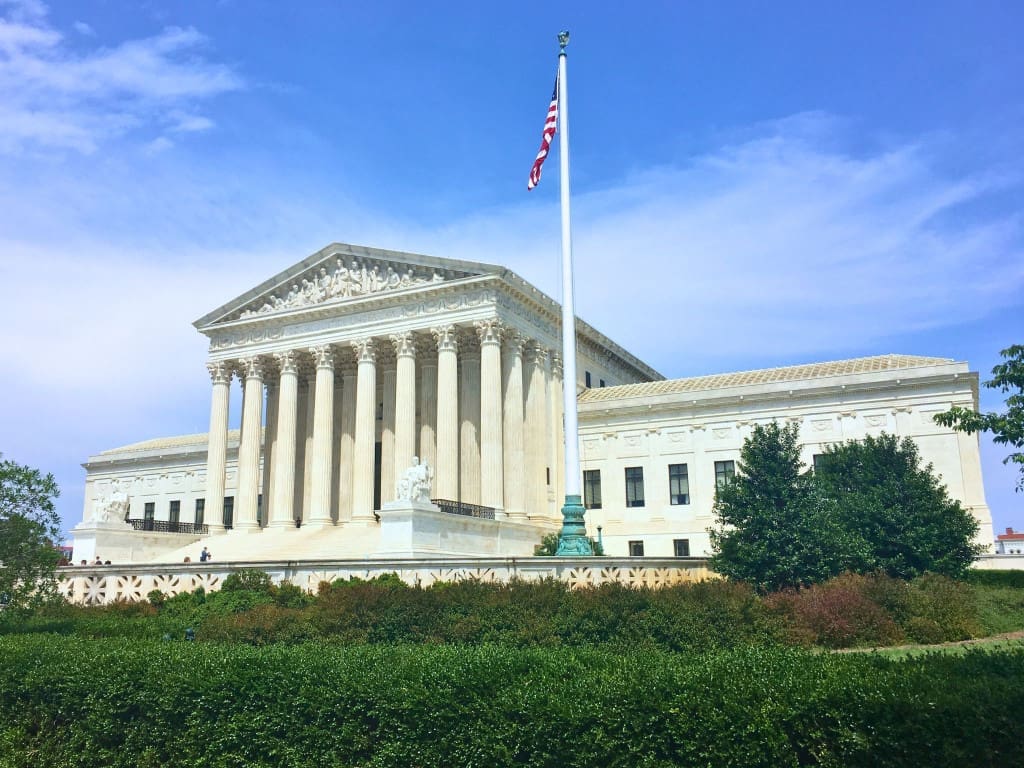
I lucked out that I had a friend who lived in DC, so I stayed with him during my visit. He was literally a block away from the Supreme Court, so very central!
If you don’t find yourself in such a convenient situation, here are some hotel recommendations. My top tip is to stay central, as I did, which significantly helps reduce transit time.
The downside is that it’ll likely be more expensive, but use your discretion.
FAQs
What to Skip in DC?
If you’re short on time, skip the Steven F. Udvar-Hazy Center and Mount Vernon, as they’re farther out than most of the other attractions, which are located on or near the National Mall.
The International Spy Museum can be pricey depending on which day you visit, so for those on a budget, it’s a good one to consider skipping.
Does Washington DC close?
Unfortunately, yes, when a government shutdown happens, many of the things to do in DC close, such as the National Postal Museum, Smithsonian museums, and the National Zoo.
However, this is temporary, and their websites will be updated once operations have resumed.
How Many Days Do You Need in Washington, DC?
Plan for at least 3 to 4 days to cover the main sites on the National Mall and the top Smithsonian museums without rushing.
If you want to add day trips to the Udvar-Hazy Center or Mount Vernon, both of which sit outside the city, budget closer to 5 days.
I packed a lot into my own trip, but even then, the Spy Museum, Mount Vernon, and many of the Smithsonian’s, such as the Air & Space Museum, could each eat up half a day.
Is Washington, D.C., Worth Visiting?
Yes, Washington, DC is absolutely worth visiting, especially because so much of it is free.
22 of the 25 attractions on my list cost nothing to visit, from the Smithsonian museums to the National Mall memorials, which makes it one of the most budget-friendly major cities in the US to explore.
What are the Best Free Things to Do in Washington, DC?
The best free things to do in DC include the Smithsonian museums (National Air and Space, American History, American Indian, National Gallery of Art, and more), the Library of Congress, the Lincoln Memorial, the Washington Monument grounds, and the US Capitol tour.
Nearly all of the government buildings and memorials on the National Mall don’t charge admission.
Is Washington, D.C., Safe for Solo Travelers?
Yes, Washington, DC is generally safe for solo travelers, particularly around the National Mall and major museum areas, which see heavy foot traffic during the day.
I explored most of the city on foot by myself during my visit. That said, I’d still recommend the usual city precautions at night, and I personally chose to do my evening ghost tour with a friend rather than alone.
What is the Best Time to Visit Washington, DC?
Spring and fall are generally the most comfortable times to visit Washington, DC, with mild temperatures and (in spring) cherry blossoms around the Tidal Basin.
I visited in May and found the heat and humidity brutal.
I ended up spending an extra-long stretch in the Air and Space Museum’s planetarium, partly just to escape the heat.
Can You Visit Washington, D.C., on a Budget?
Yes, Washington, DC is one of the easier major US cities to visit on a budget, since most of its top attractions, including all Smithsonian museums, are free.
The public transport system is rather affordable, and I found ride-shares to be fairly priced.
Outside of food and accommodation, you can fill several days of sightseeing without spending much on tickets at all.
Which Smithsonian Museums Should I Prioritize?
If you only have time for one or two, prioritize the National Air and Space Museum and the National Museum of American History, since they cover the broadest range of iconic artifacts in the shortest visit.
The National Gallery of Art is worth it if you care about fine art, while the Udvar-Hazy Center is better skipped unless you’re a dedicated science or aviation fan, since it requires a 30 to 45-minute drive outside the city.
What are the Best Museums in Washington, DC?
The National Air and Space Museum is the one I’d put at the top of the list. It’s not just for space nerds. The collection, from the Apollo 11 Command Module to the Wright brothers’ original Flyer, is genuinely impressive even if you walk in with zero interest in aviation.
The National Museum of American History is a close second, thanks to its range. Where else can you see Lincoln’s top hat and C-3PO from Star Wars in the same building?
If art is more your speed, the National Gallery of Art is unmatched, home to the only Leonardo da Vinci painting in the Americas.
For something smaller and more specific, the National Museum of the American Indian and the National Portrait Gallery are both worth an hour or two, especially the Portrait Gallery if you want to see Kehinde Wiley’s portrait of Barack Obama.
Related Washington, D.C. Travel Guides
- A Top Secret International Spy Museum Review
- Top 25 Things to Do in Washington, DC: The Best Mostly Free Attractions
- Folger Shakespeare Library Review: Is the Renovated Exhibition Worth a Visit?
Header photo credit Paula Nardini
Want to remember this? Pin this 25 Things to Do in Washington DC: The Best (Mostly Free) Sites article to your favorite Pinterest board!