

What Is the Difference Between a Hostel and a Hotel? A Solo Female Traveler’s Perspective
This site contains affiliate links and is a member of the Amazon Associates Program. At no additional cost to you, I may receive a commission from these links. I only make recommendations based on my experience. See my Disclosure Policy for more info.
See more Travel HerStory in Google
Add me as a preferred source in Top Stories and AI Mode.


I’ve slept in everything from shared dorm rooms in cities like Dublin, with a lovely bunch of ladies (some of whom I’m still in touch with), to an epic luxury hotel nestled beneath Prague Castle.
These experiences across 38 countries have changed how I think about the difference between a hostel and a hotel: one offers a social atmosphere, the other a chance to relax.
I get it. When you’re spending your hard-earned money, especially as a woman traveling on your own, the wrong choice can mean sleepless nights, safety worries, or a budget that runs out before your trip does.
Whether you’re a solo traveler seeking social connections, a budget-conscious explorer, or someone who values privacy and amenities, this guide gives you the facts on hostels vs. hotels.
I’ll cover everything from safety and cleanliness to hidden costs and social dynamics, so you can confidently choose accommodations that match your travel style, budget, and comfort level.
What’s the difference between a hostel and a hotel?
The main difference between a hostel and a hotel is that hostels rent beds in shared dorms with communal bathrooms and kitchens, while hotels rent private rooms with en-suite bathrooms and more amenities. Hostels cost less and make it easy to meet people. Hotels trade that for privacy, quiet, and usually 24-hour staff. After a decade of staying in both, I book hostels for social, budget-friendly trips and hotels when I need real sleep or privacy to work, or I’m arriving late.
Hostel vs. Hotel at a Glance
| Hostel | Hotel | |
|---|---|---|
| Rooms | Beds in shared dorms (often 4 to 16 beds); private rooms at many | Private rooms by default |
| Bathrooms | Usually shared; en-suite in some dorms and privates | Private en-suite, with rare exceptions |
| Price | Cheapest per night, especially dorm beds | Wide range, from budget to 5-star |
| Hidden costs | Towels, linen, locks, sometimes lockers or breakfast | Resort fees, parking, or breakfast |
| Reception | Often limited hours; entry codes after dark | Usually 24 hours |
| Security | Varies by property: lockers, key cards at good ones | More consistent: locked private room, key cards |
| Amenities | Kitchen, lounge, lockers, laundry, organized activities | Pool, spa, gym, restaurants, room service |
| Social life | Built in: pub crawls, walking tours, common rooms | Minimal unless you seek it out |
| Who stays | Mostly backpackers and solo travelers, skewing younger | Business travelers, couples, families, all ages |
| Best for | Budget trips and meeting people | Privacy, sleep, late arrivals |
What is a Hostel?
A hostel is budget accommodation where you rent a bed, not a room, and share bathrooms, kitchens, and lounges with other travelers.
Most also offer private rooms, which I’ve booked (such as at YHA Stratford-upon-Avon hostel in June 2015) when I wanted my own space but still liked the hostel atmosphere.
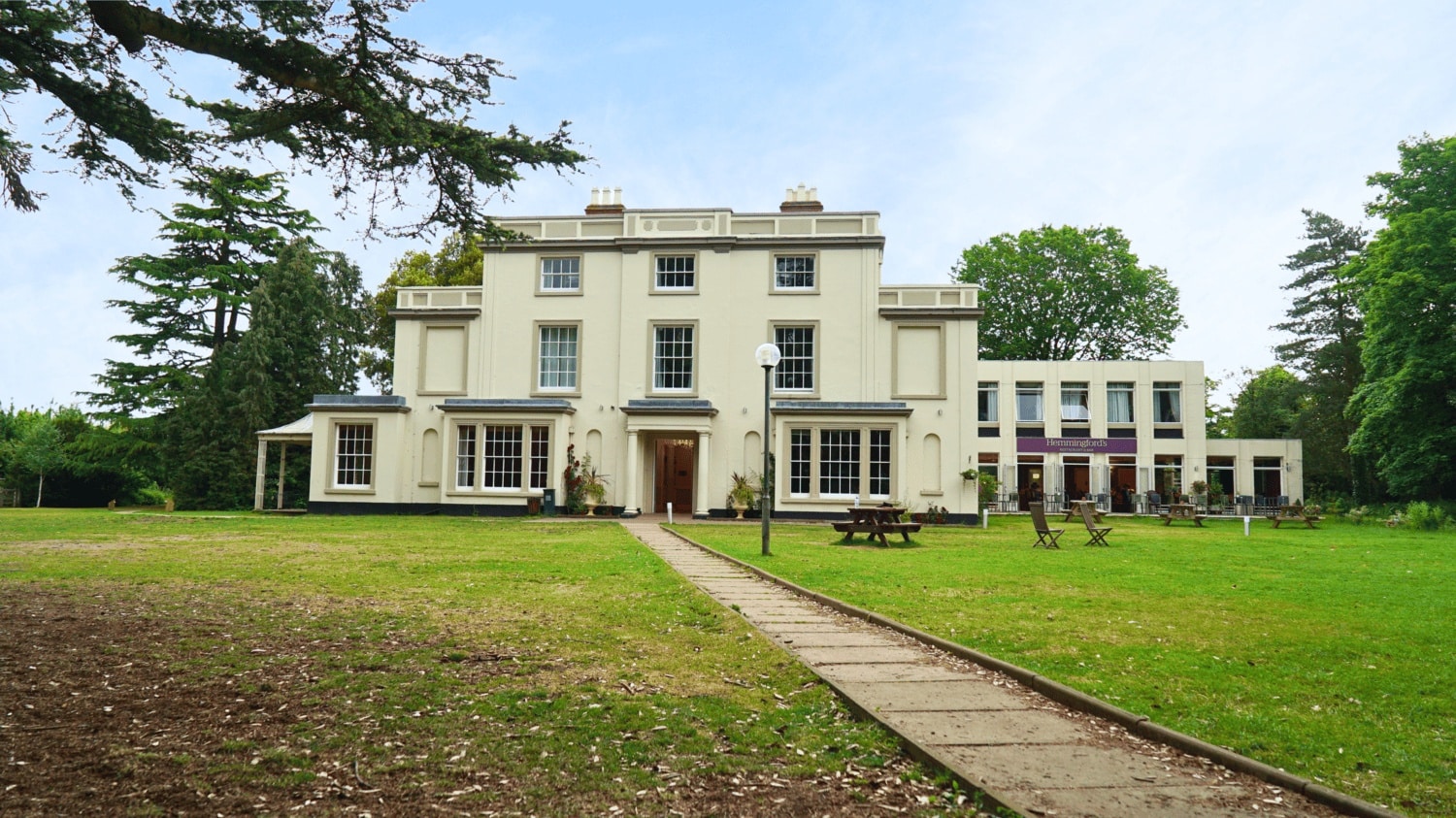
Some I have stayed in are more like hotels, like my stay at Generator Stockholm in January 2024.
What really sets hostels apart is the social side.
Depending on where you stay, that can mean pub crawls, walking tours, food tours, movie nights, or region-specific classes like surfing or pasta making.
Many also offer discounts on local attractions, so it’s an easy way to save a few bucks.
If you’re traveling solo, this is one of the easiest ways to meet people in the same boat.
My very first hostel, the Generator in Dublin in 2013, is where I met women I still talk to more than a decade later.

However, sharing a room is a matter of luck. I’ve had great roommates many times and a few not-so-great experiences, like with a woman whose alarm kept going off in San Diego while we were all trying to sleep.
When it’s a good match, or you at least get along amicably, you end up talking to people from all over the world.
What is a Hotel?
A hotel rents private rooms, almost always with your own bathroom (my solo stay in 2025 at Zurich’s Saint Georges Hotel had a shared one down the hall), and ranges from budget chains to top-of-the-line 5-star stays.
Hotels are more private and less social.
You won’t usually head to a pub crawl or museum with your fellow guests.
They serve a wider mix of people, including business travelers who need conference rooms and central locations.
With a hotel, you usually aren’t sharing spaces like bathrooms or bedrooms as you may be in a hostel, which can be really nice if you’re a light sleeper or feel uncomfortable sharing space with strangers.
Hotels also tend to offer more amenities, such as a pool, sauna, spa, restaurants, room service, or airport pickup.
My stay at the Arctic Snowhotel and Glass Igloos is a perfect example of this, with a one-of-a-kind snow sauna, ice bar, and several on-site restaurants.




I’ve found myself at enough poolside bars to know I enjoy a bit of luxury now and again. It was my go-to afternoon activity in Thailand when it got too hot.
The Key Differences Between a Hostel and a Hotel
1. Price and Hidden Costs
The most significant difference between hostels and hotels is that hostels are usually a hell of a lot cheaper. As a budget traveler, I get the appeal!
But the nightly rate isn’t the whole story.
Hostels can nickel-and-dime you for things a hotel includes:
- Towels: Sometimes free, sometimes a small fee. The Generator Stockholm hostel even offered me a “free” towel in exchange for a review.
- Locks: Some hostels provide them; others sell them. In June 2026, I bought one from a vending machine at the Highroad Hostel in Washington, D.C., for $5.
- Breakfast: Many include it, many don’t.
- Showers: When I stayed at the Winjum Cabin Aurland Stegastein in Norway in 2025, they charged NOK 10 (~$1.05), which isn’t much, but it can be annoying if you don’t have change.
- Linen: Usually included, but I’ve been charged for it. At the same Norwegian stay, bed linens and towels were available for rent for an additional charge of NOK 75 per person (~$7.89).
Add those up, and a cheap bed can creep toward budget-hotel prices.
Hotels also add on things like parking, resort fees, and pricey breakfasts, so check what’s included either way.
Cheap doesn’t guarantee a good stay, either.
When I went to Paris, I booked one of the cheapest hostels I could find, and it gave me a load of problems (no toilet paper, noise, fire alarm in the middle of the night).
Now I sit somewhere in the middle: not the most luxurious option, but not the bottom of the barrel when planning my trips.
2. Privacy and Sleep
In a hotel, the door closes, and the room is yours.
In a hostel dorm, you’re sharing space with early risers, late-night returners, and the occasional snorer.
Even hostel private rooms aren’t always quiet. At the Young & Happy Hostel in Paris, the walls were so thin that I heard everything when I stayed in 2013 (it may have improved since).

If you’re a light sleeper, pack earplugs or noise-canceling headphones, or book the hotel.
3. Security and 24-Hour Reception
Hotels almost always have a 24-hour reception.
Many hostels don’t, and that caused the biggest headache I’ve ever had staying in a hostel.
At the now-closed YHA Stow-on-the-Wold, the front door code changed while I was out at a friend’s wedding, and nobody told me.
I got back at 2 a.m. by myself to a red light, with no emergency number posted. Luckily, a friend down the street let me sleep on their couch.
I share the full story in my hostel safety guide.
Most hostels I’ve stayed in had terrific security, like key cards and in-room lockers, though a few had less.


Sometimes they even have multiple layers of security, such as a front gate and then an inner door to the actual hostel, which makes me feel it would be much harder to access.
Generator Dublin didn’t even let strangers in after a certain hour without a hostel key card.
If you’re arriving late, confirm how you’ll get in before you leave. I typically give the hostel my flight info and keep them posted on any delays.
4. Social Atmosphere
This is the biggest difference in how each one feels.
Hostels are about people; hotels are more solitary.
In my experience, people staying in hostels are warmer and more open to conversations with strangers than hotel guests.
Beyond my Dublin roommates, I’m still friends with a woman I met at a San Diego hostel during Comic-Con.
Not everyone is a people person, and that’s absolutely fine!
If you want to meet people while traveling, a hostel does a lot of the work for you.


5. Amenities and Food
Hotels usually win on amenities: pools, spas, gyms, restaurants, and room service.
Hostels win on practical, budget-friendly perks.
Most have a shared kitchen, and I did a lot of grocery shopping in London, Belfast, Liverpool, and Edinburgh to avoid eating out for every meal.
Some even have their own bar or café.
The YHA London Central served pizza and drinks at night. When you return from a long day of touring around, the last thing you want to do is find someplace to eat.

So this built-in restaurant was perfect! The menu was limited in 2013, but it was good!
If you don’t find a place with evening food (most have breakfast), make sure there are local eateries around the hostel.
You’ll likely be tired after walking around all day, so it’s nice to know there are places to eat nearby.
6. Who Stays There
Hostels skew younger, while hotels attract all ages, from business travelers to families.
That said, I’ve seen this change a bit over my 10+ years of hostel stays.
The Montreux Youth Hostel in Switzerland, where I stayed in 2025, was definitely more frequented by families than solo travelers like myself.
Similarly, Astor Oxford Street (where I got a comped stay in June 2015) drew a much quieter crowd than other London hostels I’ve stayed at.
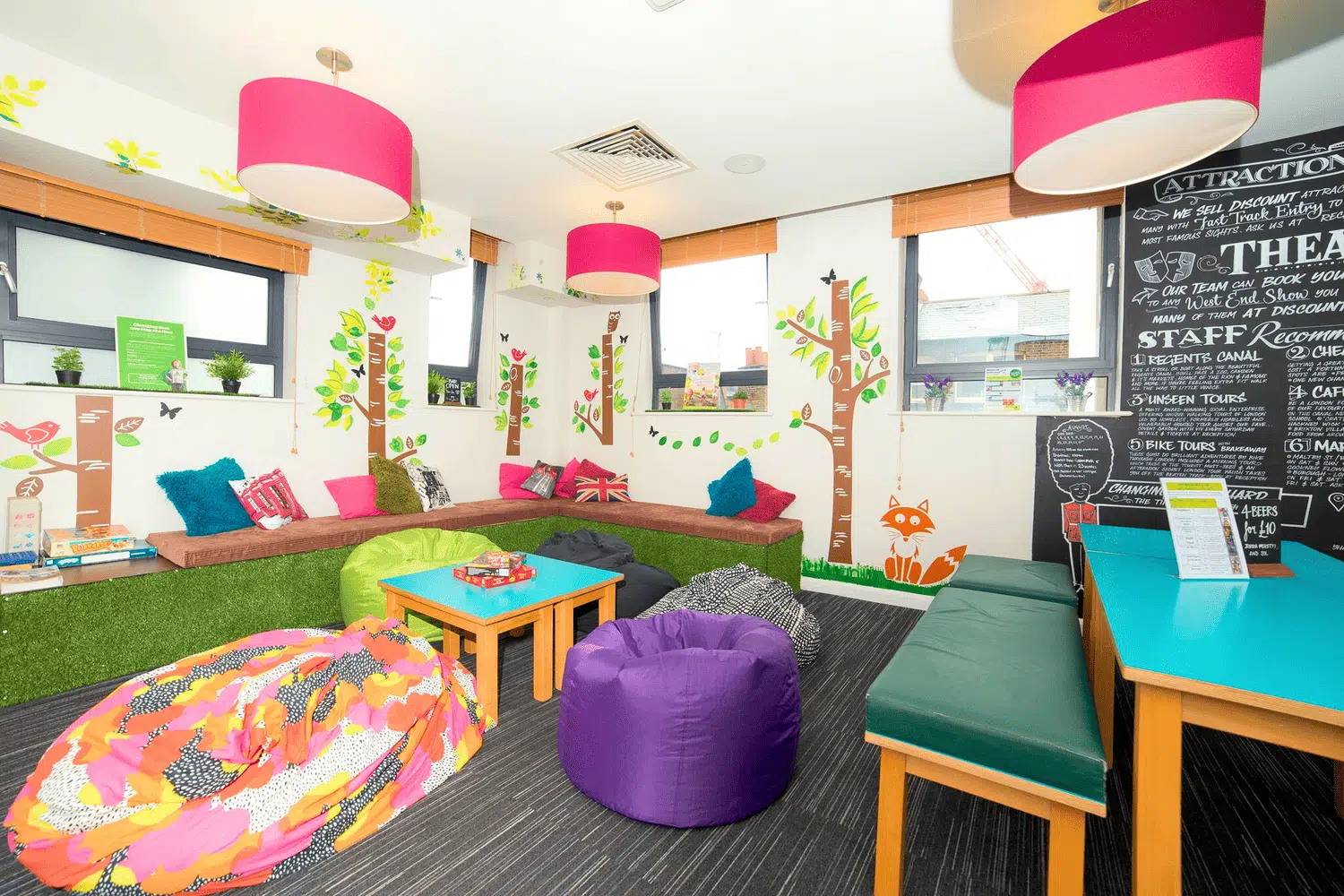
I wrote about what it’s like to stay in a hostel as a solo female over 35, in case that’s your concern.
7. Location and Availability
Location matters just as much for either one.
One of my key hostel tips is to stay central, with good public transport nearby!
Most cities have far more hotels than hostels, though.
If you need to be near a specific spot, a hotel is probably your best bet. If you can be flexible, a hostel may work.
In Rome, Comics Guesthouse was the most central hostel I could find on my budget, as I was barely out of college in 2015. It’s close to a metro stop and the hop-on, hop-off bus route I used with the Omnia tourist card.
8. Look, Feel, and Cleanliness
If your picture of a hostel comes from horror movies or that Eurotrip film (one of the most popular movies set in Europe), the real thing will surprise you.
Hotels tend to look polished and predictable, while hostels often have far more personality.
The Generator in Dublin has a bar with chandeliers made from Jameson whiskey bottles.
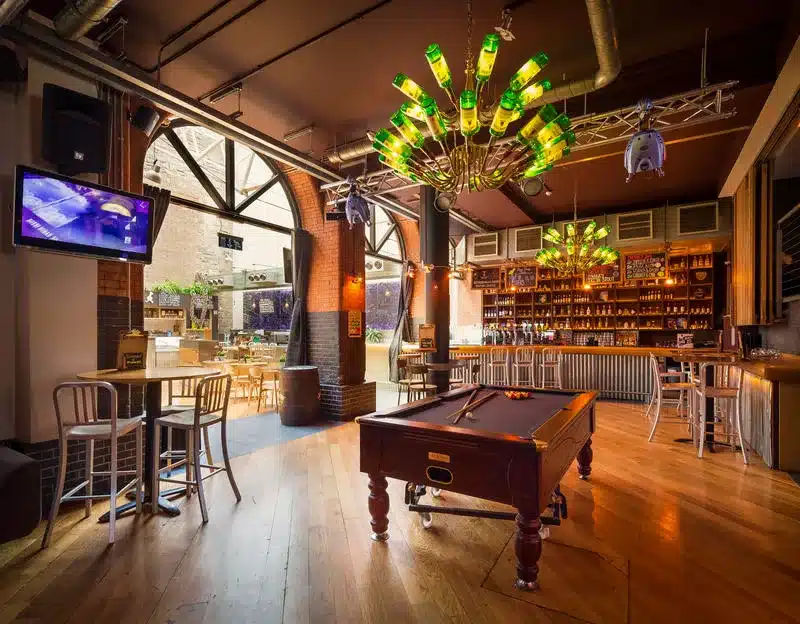
At Comics Guesthouse in Rome, every room has a different theme. I stayed in the Super Mario Bros. one.
The Loft Hostel in Budapest has a common room covered in flags from its guests’ home countries, while my 2015 stay at SYHA Glasgow Youth Hostel felt like something out of Hogwarts.
If you’re into quirky, you can likely find a hostel that matches.
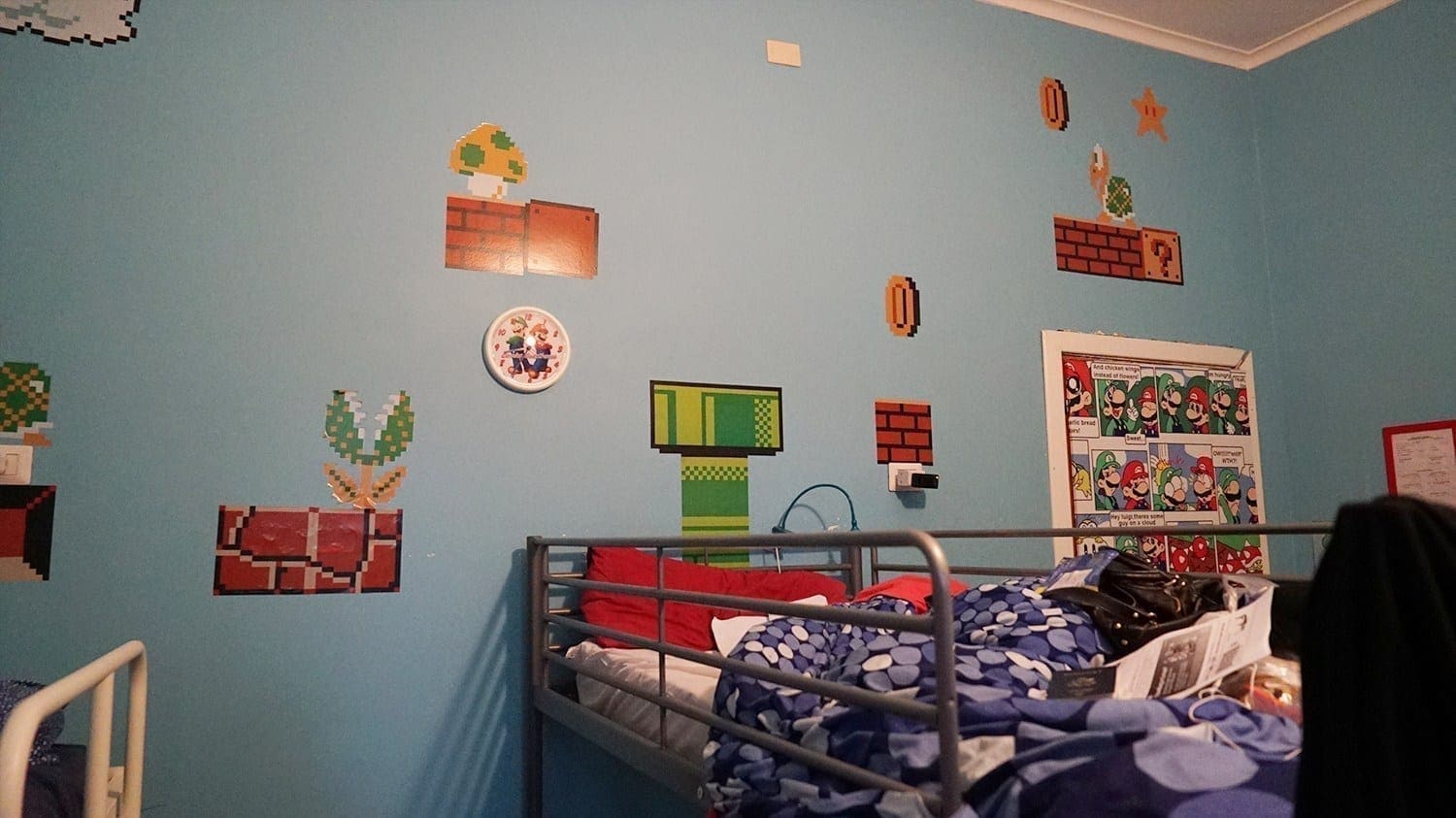


That said, always check recent guest photos, not just the listing’s professional shots.
Typically, I find that hostels are much cleaner than my Parisian experience, but in the common areas they can be a little messier due to the amount of people trekking through.
Private Hostel Room vs Budget Hotel
A private hostel room is the middle ground: your own locked door, with a kitchen, common room, and activities still available downstairs.
It’s often priced close to a budget hotel, so compare the two directly.
I’ve stayed in private rooms at several hostels.
Some felt just like a hotel, like the spotless one at YHA Stratford-upon-Avon, set in a Georgian mansion, or the Drift Inn San Pedro on Ambergris Caye in Belize when I stayed in December of 2024.

Others, like Young & Happy in Paris, had paper-thin walls and bathrooms nobody seemed to clean.
My rule of thumb: if the price is about the same, choose a hostel private room when you want to meet people, and a budget hotel when you want a private bathroom and don’t feel like being social.
Hostel or Hotel? How I Decide as a Solo Female Traveler
Neither is better across the board. Here’s how I choose.
I book a hostel when:
- I’m traveling solo and want to meet people.
- The city is expensive (hello, Amsterdam, Rome, and Paris), and I’d rather spend on experiences.
- The hostel has strong recent reviews, lockers, and a female-only dorm or private room option.
I book a hotel when:
- I’m arriving late at night and need guaranteed 24-hour reception.
- I need real sleep, like before an early tour, after a long flight, or when I need to work.
- A budget hotel costs about the same as a private room in a hostel.
- There are no well-reviewed hostels in the area. There’s one legit hostel in Luxembourg, so if it doesn’t fit your needs, you’ll need to stay in a hotel.
Whichever you pick, check Hostelworld reviews for recent mentions of security, cleanliness, and noise. They are my go-to source for hostels globally, and their app is one of my favorites for solo travel.
Reviews matter just as much for a hotel as for a hostel.
You can also search for blog posts to get first-hand accounts and hostel tips. Blogs often offer more detailed feedback and photos.
Just be aware that the blogger may have received compensation for writing the article.
When I approach hostels about comped stays, I always remain honest with my readers and note that it is a comped stay.
For what to look for in a safe hostel, see my guide: Are Hostels Safe?
What About Vacation Rentals?
Of course, a third option is a vacation rental.
I’ve had friends who really liked these when going with large groups or family.
Since I usually travel solo or only with my travel companion, I don’t usually choose these for cost reasons.
However, if that’s your travel style, here are some questions to ask before booking your next Airbnb.
FAQs
What is the main difference between a hostel and a hotel?
Hostels rent beds in shared rooms with communal bathrooms and kitchens, while hotels rent private rooms with en-suite bathrooms.
Hostels are cheaper and more social; hotels offer more privacy, amenities, and usually a 24-hour reception.
Do Hostels Provide Towels?
It depends on the hostel.
I’ve had towels provided for free, paid a small fee, and even been offered a “free” one in exchange for a review.
I usually just pay rather than carry a towel, as I don’t want to add yet another thing that’ll take up a lot of space to my hostel packing list.
Do Hostels Provide Linen?
Almost every hostel I’ve stayed in has offered linen, usually free, though I’ve occasionally paid a small charge.
Check the listing before you book.
What are the downsides of staying in a hostel?
The main downsides are less privacy, more noise, shared bathrooms, and cleanliness that varies from hostel to hostel.
Many also lack a 24-hour reception and charge extra for towels, linen, or locks.
Choosing a well-reviewed hostel with lockers and a small or female-only dorm solves most of these issues.
What are privates in hostels?
A “private” is a hostel room you don’t share with strangers.
You get your own locked room, sometimes with your own bathroom, while still sharing the kitchen, lounge, and activities.
I’ve booked them several times when I wanted my own space but still liked the social side of a hostel.
Is it safe to stay in a hostel alone as a woman?
Yes, in my experience. I’ve stayed in hostels solo for more than a decade and never had an issue that I felt was because I’m a woman traveling alone.
I usually book a female-only dorm when one is available, and I always check recent reviews for security.
Are hostels always cheaper than hotels?
Not always. Dorm beds almost always are, but a hostel private room can cost close to a budget hotel.
Fees for towels, linen, or locks can also narrow the gap, so compare the total price.
Is 27 too old to stay in a hostel?
Not at all. Hostels skew younger, but I’ve kept staying in hostels well into my 30s.
I’ve also seen the age range widen over my 10+ years of hostel stays.
However, some hostels do set age limits, like Onefam Budapest (18–39), so check the About section on Hostelworld.
Related Hostel Guides
- Are Hostels Safe? My Nightmare Experience + 10 Key Takeaways
- Hostel Packing List for Females: My 38 Essentials + 5 Items I Skip Entirely
- 30+ Hostel Travel Tips I Wish I Had Known Before My First Solo Trip as a Woman
- My Experience Staying in a Hostel as a Solo Female Over 35: Honest Insights
- What Is the Difference Between a Hostel and a Hotel? A Solo Female Traveler’s Perspective
Want to remember this? Pin this What Is the Difference Between a Hostel and a Hotel? A Solo Female Traveler’s Perspective article to your favorite Pinterest board!

