

What Is Shoulder Season Travel? Is It Worth It? Honest Pros & Cons
This site contains affiliate links and is a member of the Amazon Associates Program. At no additional cost to you, I may receive a commission from these links. I only make recommendations based on my experience. See my Disclosure Policy for more info.
See more Travel HerStory in Google
Add me as a preferred source in Top Stories and AI Mode.


On my last day in Bangkok, Thailand, it was absolutely pouring! I mean, sheets of rain.
It wasn’t even May yet — the start of the rainy season — and there I was, stuck in a parking garage, trying not to get soaked.
Thailand’s shoulder season travel window runs from April to early June and from late September through October.
And while you may think this dampened my experience, it was only the last day of a two-week trip in April 2022, when I had Thailand mostly to myself.
That’s the appeal of shoulder season: the period between a destination’s busiest and quietest months, when prices drop, yet most things remain open.
In this guide, I’ll break down what shoulder season is, when it occurs, what it can save you, and the trade-offs I’ve encountered over the past decade in 38 countries (from being snowed out at the Matterhorn to Belize’s not-so-dry season).
If your dates are flexible, this will help you decide whether it suits your trip before booking anything.
Is Shoulder Season Travel Worth It?
For most budget travelers, yes. Shoulder season falls between peak and off-season, so you usually get lower fares and hotel rates and thinner crowds, while most attractions still run on normal schedules. The trade-off is less predictable weather and the occasional holiday closure, so build in a buffer day and book tours with free cancellation. I found a one-way $273 flight from LAX to Amsterdam in 2025 by being flexible. It’s best for travelers who’d rather save money than guarantee sunshine.
What is Shoulder Season Travel?
Shoulder season travel is the window just before and just after a destination’s peak season.
Prices and crowds are lower than at peak, but the destination hasn’t fully entered hibernation mode yet.
In Europe, that generally means spring (roughly April to May) and fall (roughly September to October).
The catch: shoulder season depends on the destination and what the place is known for.

I went to Finnish Lapland with my travel companion in January because the whole point was to do winter activities like ice floating.
For a destination built around snow, winter isn’t the quiet season, but going during their shoulder season wouldn’t have let me do the top winter activities in Rovaniemi.
Meaning you sometimes can’t avoid peak season because of weather, events, etc.
What Are Considered Shoulder Months?
There’s no universal shoulder season.
It shifts with the climate, the destination, and whatever draws people there in the first place.
The textbook answer is spring and fall, and that still holds for much of Europe.
The exception is the busiest spots, where May and September now draw peak-level crowds, so the real shoulder has crept outward toward March–April and October–November.
Places with pronounced dry and rainy seasons work differently.
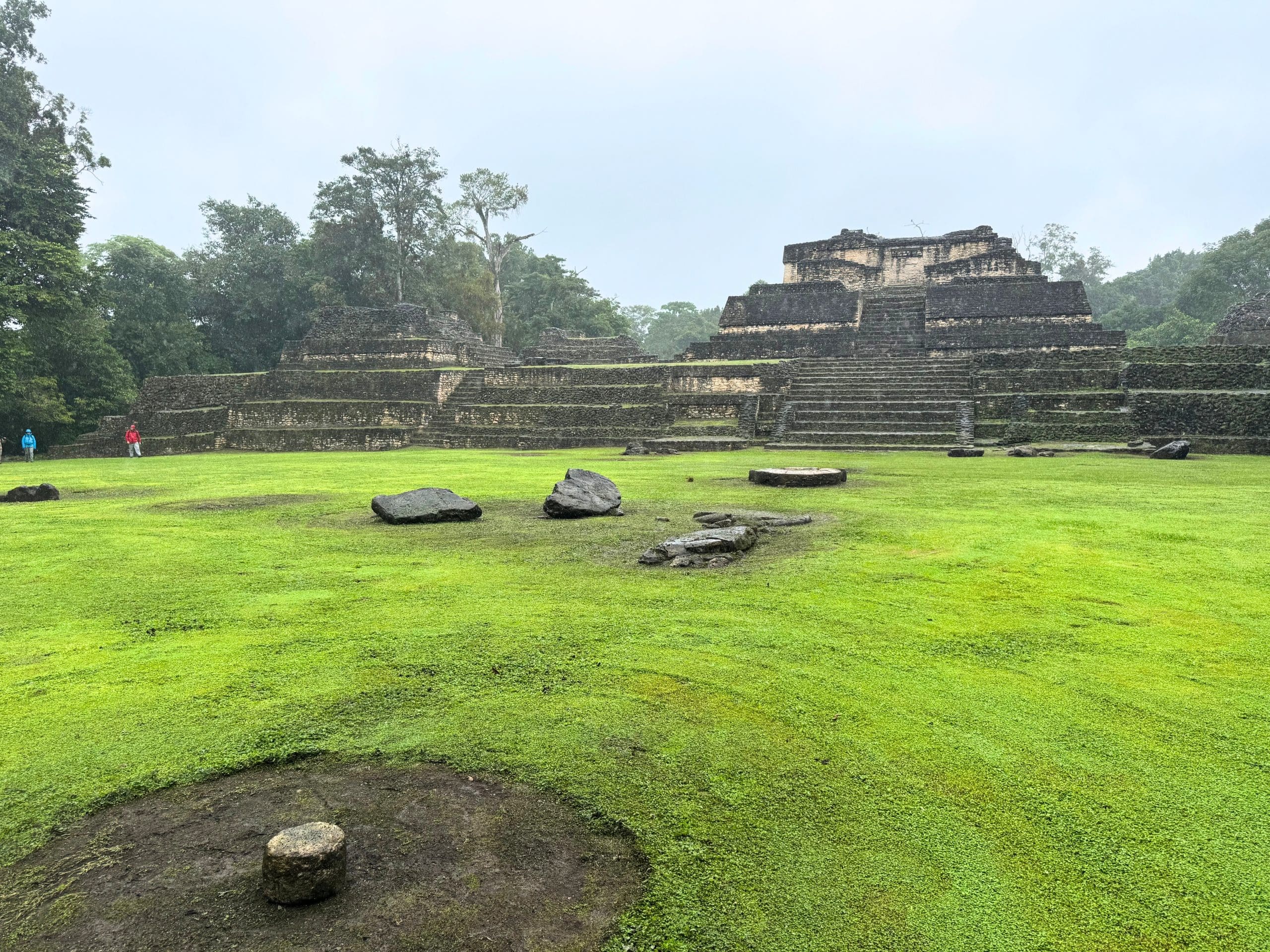
In Belize and Thailand, the busy months are the dry ones, so shoulder season falls at the edges of the rainy season.
Really, “shoulder season” is just shorthand for the months outside peak travel.
Europe Shoulder Season
As someone who’s been to 25+ European countries, this table isn’t exhaustive.
It only covers popular destinations I’ve visited and written about.
| Destination | Shoulder Months | Why Then / Watch Out For |
|---|---|---|
| Greece | April–June, September–October | Warm enough to swim at lower island prices, but inter-island flights and ferries thin out and some island businesses close by October. September is busy in Athens. |
| Italy | Mid-March–April, late October–early November | Mild sightseeing weather without summer heat. May, June, September, and October are now among its busiest months, and Easter week spikes. |
| France | Late March–April, October–November | Spring blooms and fall color with shorter lines. In Paris, Fashion Weeks in early March and late September fill hotels. |
| Portugal | March–April, October | Mild Atlantic weather after summer crowds leave. Rainy season starts in October. |
| Ireland | Mid-April–May, late September–October | Longer days than winter at lower prices. Smaller rural sights may still be closed at the edges of the window. |
| Austria | April–May, October–November | Easy city-walking weather between the summer festivals and the Christmas markets. Easter and the Salzburg Festival spike prices. |
| Germany | April–May, mid-October–November | Mild spring beer-garden weather. Oktoberfest (mid-September–early October) spikes hotel prices. |
| Spain | March-April, November | Barcelona stays busy from May through October, so aim for early spring or November. Seville and the south are scorching in July and August. |
Peak vs. Shoulder vs. Off-Season
| Peak | Shoulder | Off-Season | |
|---|---|---|---|
| Flight and hotel prices | Highest | Lower | Lowest |
| Crowds | Heaviest | Lighter | Sparse |
| Weather | Most reliable | Mixed | Riskiest |
| Attractions and transport | Full schedules | Mostly full | Reduced hours, some closures |
| Booking ahead | Essential | Recommended | Often not needed |
| Best for | Fixed dates, guaranteed weather | Flexible budget travelers | Deep discounts, low expectations |
The Benefits of Shoulder Season
Cheaper Flights
Flexibility is where shoulder season pays off.
My one-way $273 LAX-to-Amsterdam fare in 2025 came from searching April dates with Google Flights’ Anywhere feature, not from picking a city first.
Find out how to use this feature in my guide on planning an international trip.
All I did was scroll around on the map of Europe, as I knew that’s where I wanted to be, but I didn’t limit myself further to a country or city.
Getting around Europe is super easy, so I knew just getting over there for a low fare was totally worth it.

If I’d gone in the peak summer season, that ticket would have been upwards of $600!
Holidays can work in your favor too.
I flew to Mexico City on American Thanksgiving, and the flight wasn’t too costly because most people want to be home that day.
Fewer Crowds
Admittedly, Thailand, like much of the rest of the world, was recovering from COVID when I visited, but even without a global pandemic, shoulder-season travel means fewer crowds.
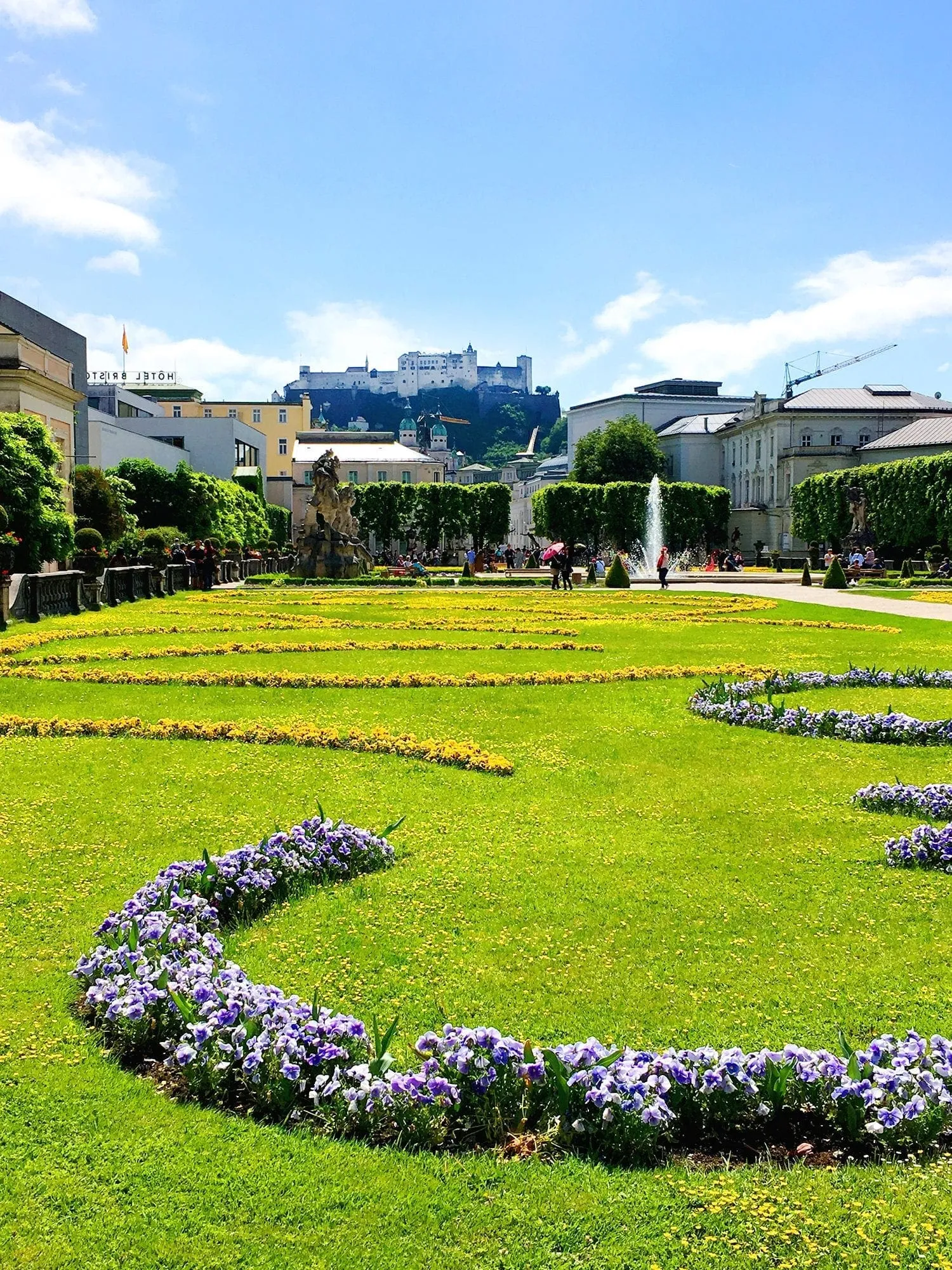
When my mom and I visited Austria in May of 2018, we saw some people, but never ever waited in a single line the whole time we were there.
Even at top attractions such as the Sisi Museum in Vienna or at Hohensalzburg Fortress in Salzburg.

More Accommodation Options & Deals
In peak season, rooms fill fast, and late bookings push prices up substantially.
I’ve never paid more for accommodation than I did while in Finland during peak season.
The Arctic SnowHotel and Glass Igloos were certainly a unique experience, but they were also expensive.


For cheaper hostels and hotels, visiting during shoulder season means less demand and more affordable accommodation.
During my 4.5-month trek through Europe, the only place I felt was expensive was Amsterdam (it’s a more expensive city overall) when I visited in April.
Everywhere else, I felt I was getting a decent deal, whether at a hostel or a hotel, as they were far less.
The Cons (What I’ve Learned the Hard Way)
Weather Is a Gamble
I didn’t see anything at the Matterhorn because a blizzard rolled in during April.
I’d assumed April meant spring, especially since I’d been looking at photos people were posting online showing green grass and clear skies.
Check historical weather for your exact destination, not social media.
I learned afterward that an old co-worker of mine had gone the same month the year before and experienced the exact same thing!
I visited Belize in early December, right at the start of its dry peak season, just after the rainy season (June–November) and its November shoulder month.
I mistakenly thought that meant it would be drier than I experienced. While I still had an amazing time, the biggest issue was that I nearly missed the ATM Cave due to flooding.

Luckily, I had some time built into the schedule and could go another day, but without that flexibility, I would have missed out, an annoying travel mistake.
Season labels are averages, not guarantees, and the edges of a dry season can still be wet.
Holiday Closures
Other countries have holidays you may not know about.
May 1 is a public holiday in much of Europe, and I ran into it in Germany.
My Old Town Munich walking tour still ran, but not much else was open.


Which meant that we didn’t get to do as much as we’d hoped.
Always Google the city and country you’re visiting for their specific holiday and event schedules.
Fewer Transport Options
In Greece, flights between islands are plentiful in summer but thin out in winter.
The further you drift from peak, the earlier you need to book routes.
Unfortunately, I had to book Greek island-hopping flights twice: once for April 2020, which I then had to cancel, and again for September 2021.
Both times we had enough options as shoulder season in Greece is April to June and September to October, but had we delayed more, then the islands wouldn’t have been as accessible.
How to Plan a Shoulder Season Trip
- Search dates, not destinations. Use Google Flights’ Anywhere feature or a deal-alert service like NextVacay, and let pricing pick the travel destination.
- Check local holidays. Look up public holidays for your dates so a closure doesn’t eat up one of your days.
- Build in a buffer day. In Belize, an extra day covered weather delays that would have otherwise made me miss some of the top things to do in San Ignacio.
- Book tours with free cancellation. GetYourGuide refunded me even though I canceled within their 24-hour window after my cousin was injured in Belize. That flexibility matters more when the weather is less predictable.
- Pack for weather changes. I’ve goofed and failed to pack any weather-proof clothing before, which is why I now pack a trench coat by default! Even when I’m packing light for Europe.
- Don’t assume. Don’t assume all destinations have shoulder seasons in spring and fall. Even within Europe, this varies by country, depends on how popular the place is, and on its holiday schedule. October in Bavaria means Oktoberfest, while October in Portugal is easy-going. Research the exact shoulder months for your chosen location.
- Be flexible. Shoulder season is all about flexibility. If you have strict vacation dates, you may miss out on great flight deals or tour discounts.
For even more tips, check out my travel planning guides.
FAQs
Are shoulder seasons cheaper for travel?
Generally, yes. Flights and hotels usually cost less than in peak season because demand drops.
The savings grow if you’re flexible on destination too, not just dates.
What are the shoulder season dates?
It depends on the destination.
Much of Europe still follows spring and fall, but in the busiest spots like Paris, Rome, and Barcelona, May and September now feel like peak, so aim for March–April or October–November.
In Belize, it’s the edges of the dry season, around May and November.
Why is it called shoulder season?
Picture the travel calendar as a person, with peak season as the head.
The months on either side sit just below it, like shoulders.
It’s the in-between stretch before and after the busiest time of year.
What is off-season travel?
Off-season is a destination’s quietest, cheapest stretch of the year, usually when the weather is at its least appealing.
You’ll find the deepest discounts and the fewest crowds, but also shorter hours, some closures, and fewer transport routes.
In Greece, for example, flights between islands thin out in winter.
If you’re planning to travel in the off-season, check my list of things to do before traveling so you don’t miss anything you might regret.
When is high season travel?
High season is when a destination is at its busiest and most expensive, usually its best-weather months plus major holidays like Christmas and spring break.
In most of Europe, that’s summer.
For winter destinations, it flips: I visited Finnish Lapland in January, right in its high season.
In tropical places like Belize and Thailand, high season is the dry season.
Related Travel Planning Guides
- How to Plan an International Trip on a Budget: My Step-by-Step Guide
- How to Use Google Maps to Plan a Trip in 9 Simple Steps
- 44 Things to Do Before Traveling Internationally + My Free Pre-Trip Checklist
- Looking for a Travel Companion? Best Questions to Ask Before Your Next Trip
- Viator vs. GetYourGuide: Which Is Better for Booking Tours? An Honest Review
- What Is Shoulder Season Travel? Is It Worth It? Honest Pros & Cons
- Renting a Car in Europe: Is It Worth It? + Things to Know Before You Drive
- 19 Travel Mistakes I’ve Made Over Two Decades (and How to Avoid Them)
Want to remember this? Pin this What Is Shoulder Season Travel? Is It Worth It? (Pros & Cons) article to your favorite Pinterest board!

