

Vienna Travel Guide: Essential Tips for Your First Trip to Austria’s Capital
This site contains affiliate links and is a member of the Amazon Associates Program. At no additional cost to you, I may receive a commission from these links. I only make recommendations based on my experience. See my Disclosure Policy for more info.
See more Travel HerStory in Google
Add me as a preferred source in Top Stories and AI Mode.


Before even leaving California, my mom and I were told our flight to Vienna was affected by strikes in France.
Arriving a day late without luggage taught me more about visiting Vienna than any guidebook. When the English lost-luggage line wouldn’t connect, I had our hotel concierge call the German line.
This Vienna travel guide covers everything I wish I’d known as a first-timer: how to pay, what to pack, how to get in from the airport, and how to stay safe.
If this is your first time in Vienna (as it was mine in May 2018), you’ll also find links to my more in-depth guides on where to stay, what to eat, and how many days you’ll need, so your trip will be smoother than mine!
What should first-timers know before visiting Vienna?
Book timed tickets for Hofburg, Schönbrunn, and Belvedere before you go, plan to pay by card almost everywhere, and pack a plug adapter plus your essentials in your carry-on. Vienna is safe, walkable, and easy to navigate by U-Bahn, tram, or hop-on hop-off bus. When I visited with my mom in May 2018, I paid by card nearly everywhere, and our lost luggage made that carry-on lesson stick. This guide is for first-time visitors planning a 3- to 5-day trip.
Vienna Travel Tips at a Glance
These are the essentials first-time visitors need to know before visiting Vienna.
Note: I first visited Austria in 2018 and passed through Vienna again in 2025; the practical details below are updated for 2026.
| Topic | What to Know |
|---|---|
| Currency | Euro (€) |
| Payment | Cards are accepted almost everywhere; carry a little cash for tours and small stands |
| Language | German; English is widely spoken in tourist areas |
| Plugs | Type C and F, 230V |
| Main airport | Vienna International Airport (VIE), about 18 km (11 miles) from the city center |
| Airport to city | ÖBB Railjet to Wien Hauptbahnhof (what I took) |
| Getting around | U-Bahn, trams, buses, and hop-on hop-off buses |
| Tipping | Round up or add 5–10% |
| Best time to visit | April–May and September–October (shoulder season) |
| How many days | 4 days for most first-timers |
| Entry (US travelers) | No visa for stays up to 90 days; EES registration required; ETIAS expected to launch late 2026 |
| Easy day trips | Salzburg and Bratislava |
Vienna Travel Guide for First-Timers
These are the practical tips that make a first trip to Vienna go smoothly, from getting around to what essentials to pack.
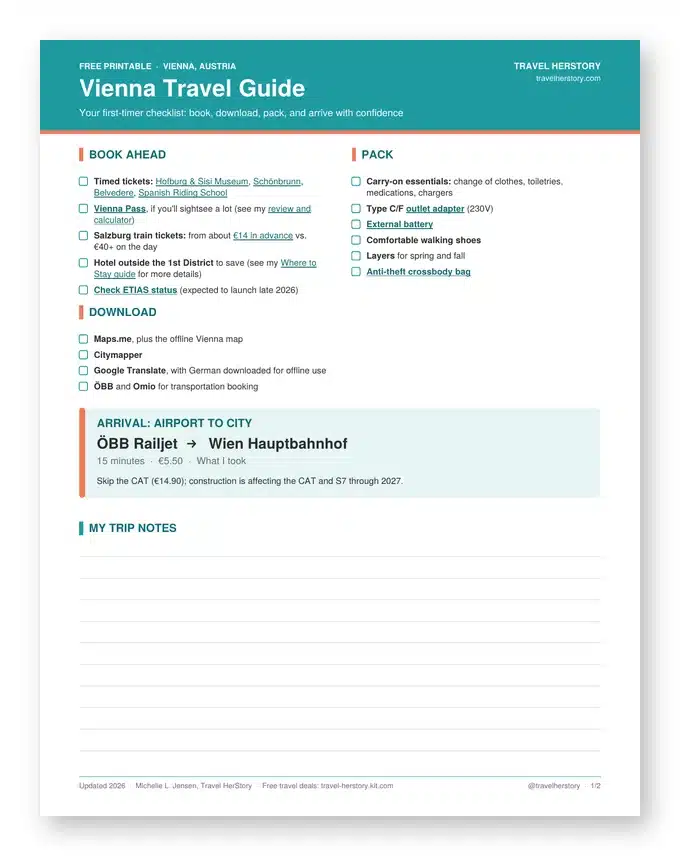
Cash, Cards & Tipping
Cards work almost everywhere in Vienna, and I paid by card for nearly everything on my trip.
The exception was Stephansdom, where tower and catacomb tours were cash-only, so keep a small amount of euros on you for instances like that.
- Cash: Withdraw euros from a local ATM as you need them, rather than exchanging money before you go, so you don’t end up with more euros than you need.
- Pay in euros: If a card machine offers to charge you in dollars, choose euros. Selecting the local currency allows your home credit card network (such as Visa or Mastercard) to handle the conversion at a standard, more competitive exchange rate.
- Tipping: Round up or add 5–10%, and tell your server the total when you pay rather than leaving cash on the table.
- Getting the check: Servers won’t bring the bill until you ask, so say “Zahlen, bitte.” We were so used to American establishments rushing you out that it took us a bit to realize this.
Book Timed Tickets Early
Vienna’s top attractions use fixed time slots and can turn you away without a booking.
Reserve ahead for the Hofburg and Sisi Museum, Schönbrunn Palace, the Belvedere, and the Spanish Riding School, especially in summer.
Opening Hours
- Many shops close on Sundays
- Museums typically close on Mondays or Tuesdays
- Restaurants often close between lunch and dinner (3-6 pm)
What to Pack
Pack your essentials in your carry-on. Our checked bags were lost for the first couple of days of our trip, so anything we needed right away had to be in our carry-on luggage.
- Carry-on must-haves: a change of clothes, toiletries, medications, and chargers
- Outlet adapter: Austria uses Type C and F plugs at 230V, so US travelers need an outlet adapter. I packed an outlet adapter plus an external battery, and the battery saved me on long days of navigating and taking photos. Most phone and laptop chargers handle 230V, but check labels before plugging anything in
- Comfortable walking shoes: the city center is walkable, and the palace gardens are huge
- Layers: spring and fall weather shifts during the day, but it was warm when I was there in May, so I mostly wore sleeveless tops
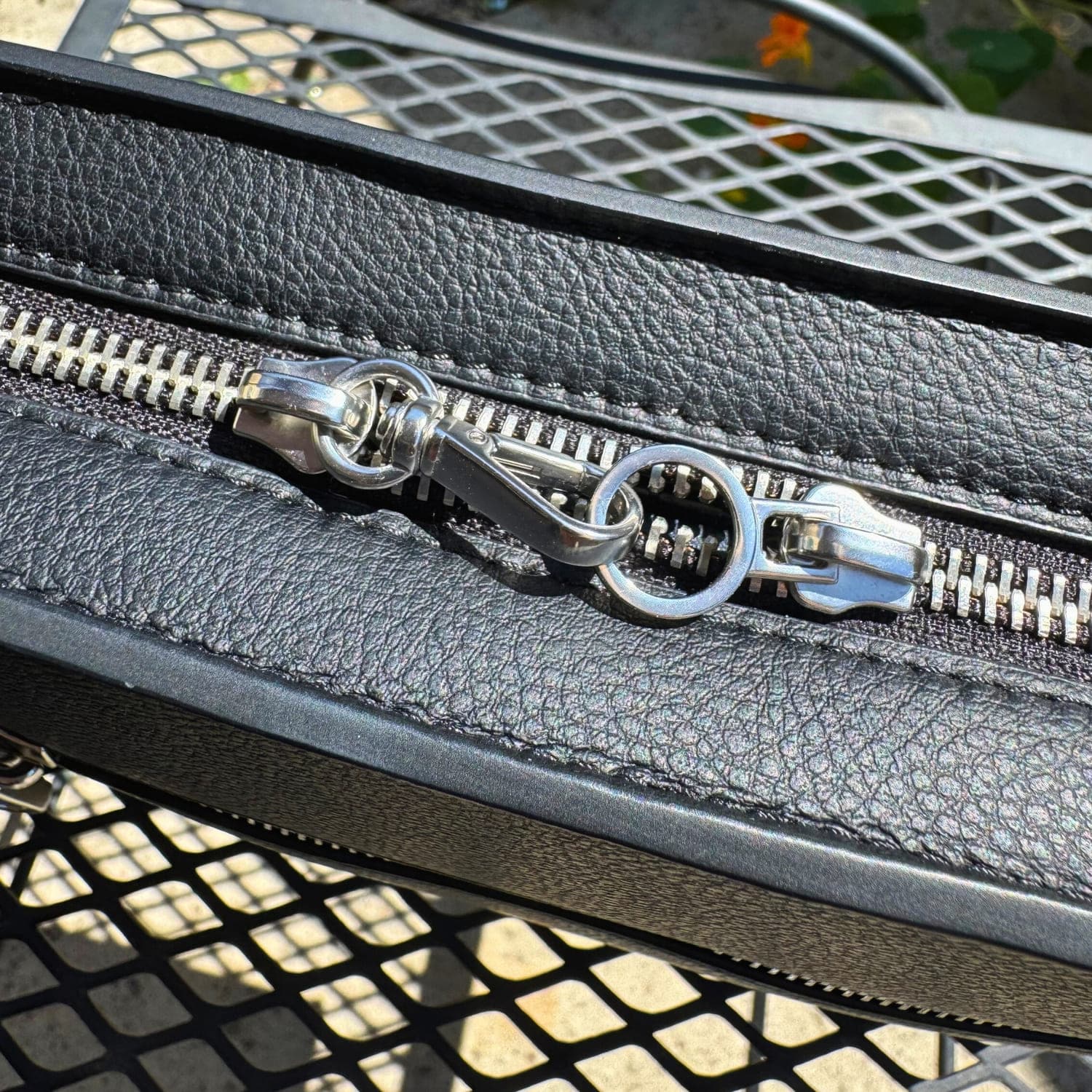
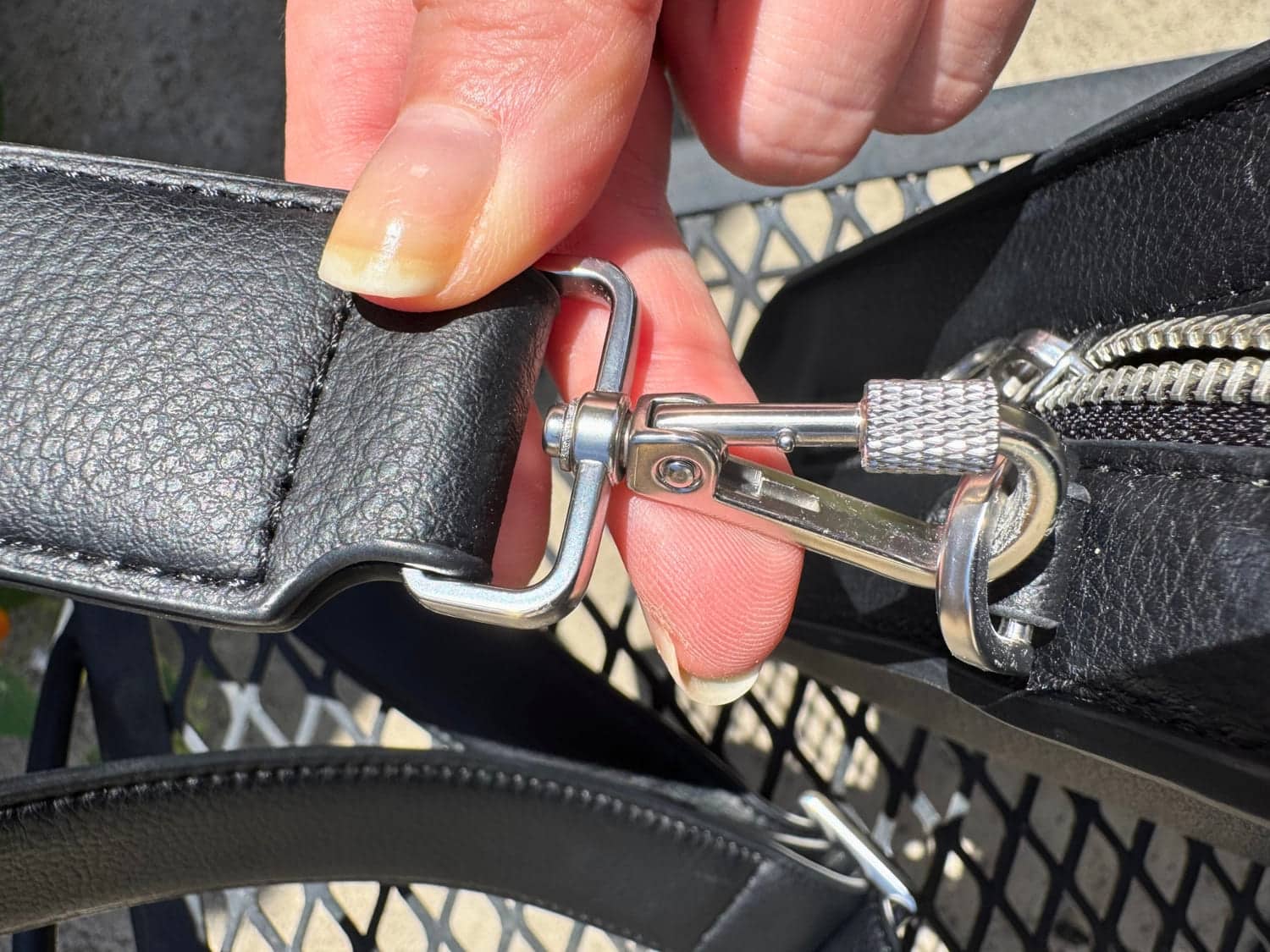
- A secure crossbody bag for crowded sights. Vienna is largely safe, but pickpockets are common in any large city, so get an anti-theft purse for your trip to Europe.
For more, see my guide to packing light for two weeks in Europe.
Is Vienna Safe? Avoiding Pickpockets
Vienna is one of the safest cities I’ve visited.
Austria as a whole ranks #6 on the 2026 Global Peace Index.
During my trip, I asked a local friend whether it was safe to go out alone at night, and she confidently said, “Yes.” I went out solo to meet her and felt comfortable the whole time.
I had no issues with pickpockets, but the usual big-city precautions still apply:
- Keep your bag zipped and in front of you on the U-Bahn and in crowded squares like Stephansplatz.
- Watch your belongings at busy markets, including the Christmas markets, which can get quite bustling.
For my full take, see is Vienna worth visiting.
Getting from the Airport to the City
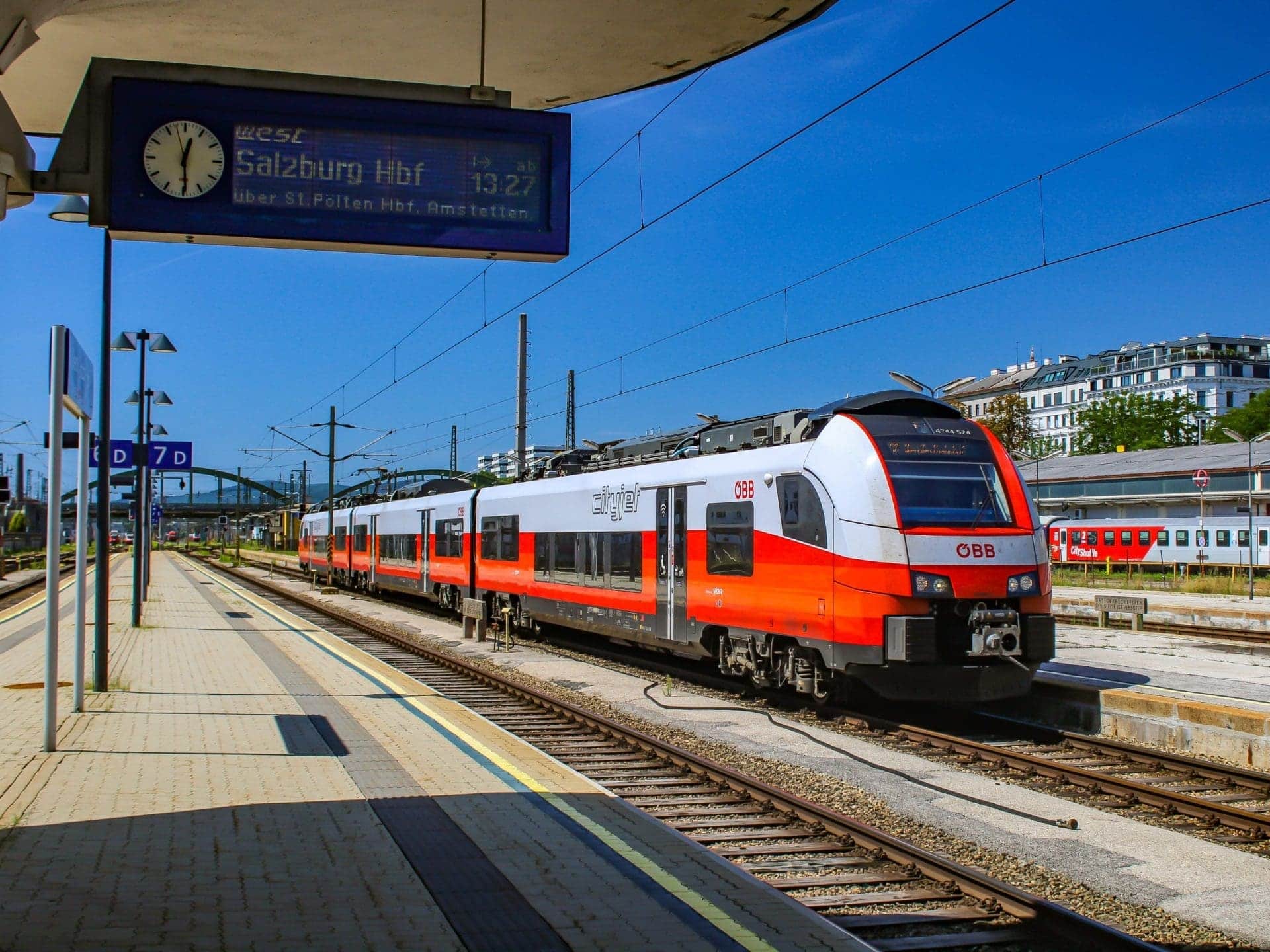
The easiest route for us was the ÖBB Railjet from the airport to Wien Hauptbahnhof, Vienna’s main train station. It’s affordable and quick!
Our first hotel was right across the street, so we walked straight there.
| Option | Goes to | Best for |
|---|---|---|
| ÖBB Railjet (what I took) | Wien Hauptbahnhof | Hotels near the main station or onward trains. Takes only 15 minutes to get to the station. Costs €5.50 |
| City Airport Train (CAT) | Wien Mitte | Non-stop service to the center, at a higher price of Single: €14.90, return: €24.90 (modernization works in progress through 2027) |
| S-Bahn (S7) | Wien Mitte | The cheapest train option, but currently modified due to major rail modernization works on the S-Bahn line (lasting through October 2027) |
The CAT costs nearly three times as much as the Railjet for a similar ride time, and with construction affecting both the CAT and the S-Bahn, the Railjet is the best option.
Getting Around Vienna
We mostly used the hop-on, hop-off bus included with our Vienna Pass, and I bought U-Bahn tickets at station machines when I needed them.
The bus is effectively free transport if you have the pass, and it goes to the main attractions, perfect for first-timers. We could also actually see Vienna while on it rather than being underground.
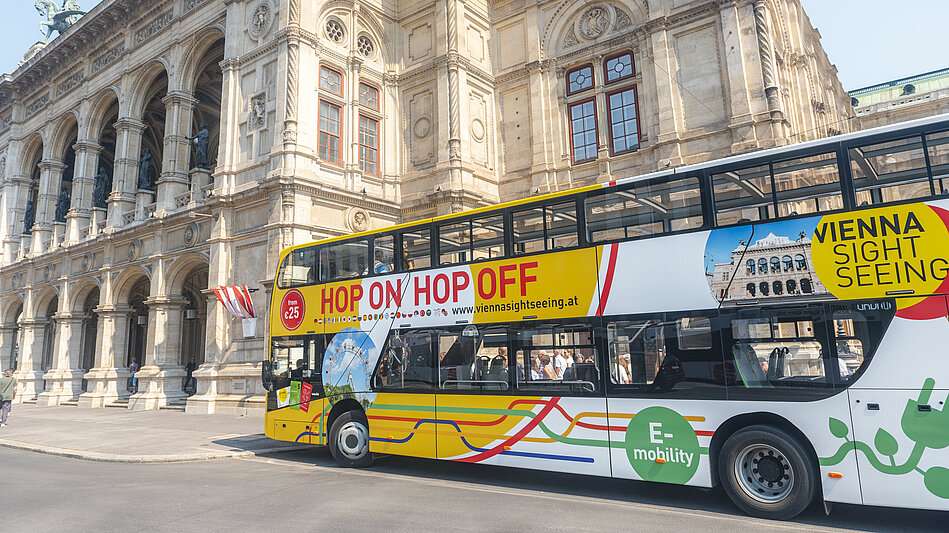
Vienna’s city center is compact and flat, so walking is not too difficult, but public transport certainly speeds things up.
Vienna’s public transport network is extensive and easy to use:
- Metro (U-Bahn): Lines U1-U6 connect major areas and attractions. Clean, reliable, and runs until about midnight on weekdays (longer on weekends)
- Trams: The extensive tram network is scenic. The famous Ringstraße tram routes (1 and 2) circle the historic city center (Rick Steves has an audio guide on it)
- Buses: Fill in gaps and serve suburban areas
Pro tip: Download Maps.me ahead of time for offline maps with public transport info, or use Citymapper for live information. I used the former the whole time to get around Vienna.
Single tickets cost around €3.20, but day passes or longer-term passes offer better value if you’re moving around a lot and don’t have the Vienna Pass.
The system runs well even when things go wrong. One night, a German announcement I couldn’t understand sent my train back the other way. I followed the crowd to a replacement bus and barely lost any time.
Best Apps for Vienna
These are the apps I used or recommend for Vienna:
- Maps.me: offline maps with public transport info, which I used to navigate the U-Bahn without data
- Citymapper: live transit times (needs data or Wi-Fi)
- Google Translate: download German for offline menus and signs
- ÖBB: train tickets for the airport and day trips
- Omio: booking tickets for trains and buses for longer journeys
- Rick Steves Audio Europe: free audio walking tours of Vienna
For more, see my list of the best apps for traveling in Europe.
Language: Useful German Phrases
You don’t need to be fluent in German in central Vienna, where most people in tourist areas speak English. Farther from the center, English is less common, so a few phrases help.
I studied the basics with Mango Languages before my trip.
| English | German | When to use it |
|---|---|---|
| Hello | Grüß Gott / Hallo | Entering shops and cafés |
| Thank you | Danke | Everywhere |
| Please / You’re welcome | Bitte | Ordering and replying |
| Excuse me | Entschuldigung | Getting past people, asking for help |
| Do you speak English? | Sprechen Sie Englisch? | Before asking a question |
| The check, please | Zahlen, bitte | At restaurants and cafés |
| Tap water | Leitungswasser | Ordering free water |
Saving Money in Vienna
Vienna isn’t a budget destination, but my mom and I kept costs down with a few simple strategies. These are the ones that made the biggest difference.
Get a Tourist Pass (If You’ll Sightsee a Lot)
The Vienna Pass covered most of our attractions and included the hop-on hop-off bus, which we used as our main transportation. It also got us fast-track entry at some of the busiest sights.
- The pass runs midnight to midnight, so start early to get a full day’s value.
- Add up the attractions you actually want to see before buying (the calculator in my Vienna Pass review will help calculate the potential cost savings).
- If you only plan to visit a museum or two, a public transport pass is likely cheaper.
Visit in Shoulder Season
Hotels cost less in April–May and September–October than in summer or during the Christmas markets.
We visited in May and found pleasant weather, short lines, and better hotel rates.
Stay Outside the 1st District
The Innere Stadt is the priciest place to stay, and Vienna’s transport makes it easy to base yourself farther out.
We stayed in Wieden, across from the main train station, and in Rudolfsheim-Fünfhaus, within walking distance of Schönbrunn.
Both hotels offered breakfast, saving us time and money on hunting for food each morning.
Discover more neighborhoods in my guide to where to stay in Vienna.
Make the Most of Free Sights
Some of Vienna’s best experiences cost nothing:
- The Schönbrunn and Belvedere palace gardens
- St. Stephen’s Cathedral and Peterskirche
- Browsing Naschmarkt and wandering the Prater grounds
- Street art along the Danube Canal
- Free museum admission for visitors under 19
- All museums from the Wien Museum group can be visited for free on the first Sunday of each month
- Admission to the permanent exhibition, “Vienna. My History,” at the Wien Museum Karlsplatz is free every day the museum is open
Book Trains Early
Book train tickets early for Vienna to Salzburg, since same-day fares cost far more.
Train tickets start at around €14 when booked in advance but can jump to over €40 if you buy on the day.
Booking early also gives you your pick of departure times.
Eating on a Budget in Vienna
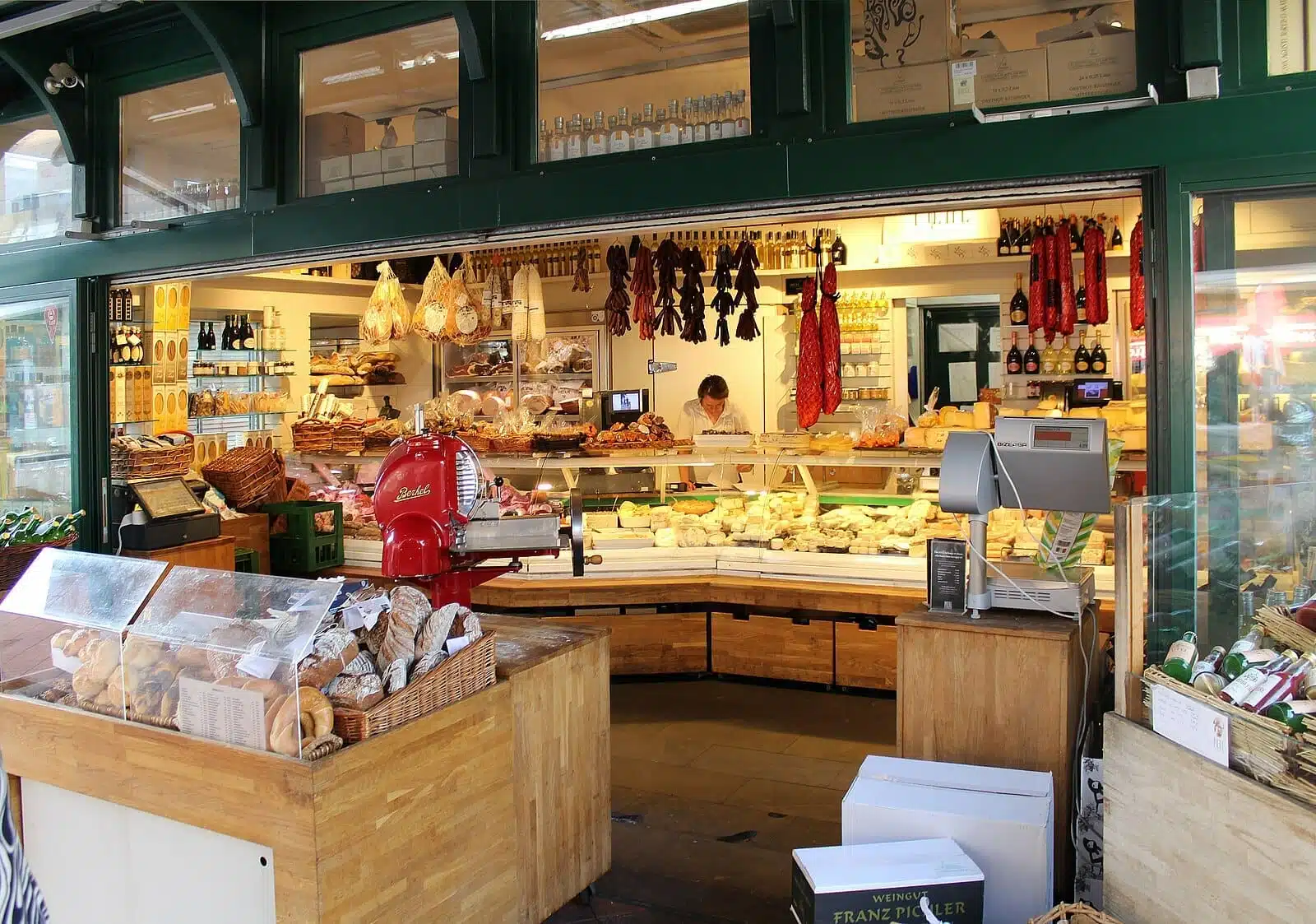
- Visit a local market like Naschmarkt or Schwendermarkt and enjoy a Vienna picnic in one of the beautiful parks
- Prix fixe lunch menus are often cheaper than dinner! Eat a big lunch, then grab a light dinner later
- Tap water is free (“Leitungswasser”), so don’t get suckered into bottled water
- Bakeries offer affordable sandwiches and pastries—don’t leave Vienna without trying at least one apple strudel!
- Avoid eating right next to major tourist sites for better prices
Top Things to Do in Vienna
Vienna’s highlights fall into a few easy groups, so here’s my quick verdict on each.
For the full list with costs and timings, see my guide to 37 things to do in Vienna.
Imperial Palaces
If you only have time for one palace, choose the Hofburg for the Sisi Museum; I was deeply moved by learning her story.
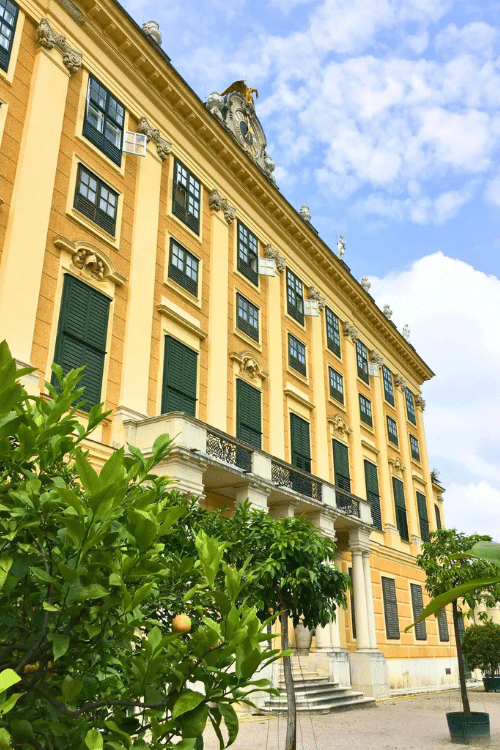
Schönbrunn is grander, with gardens you can wander freely, but it felt less personal to me without a story like Sisi’s to ground it.
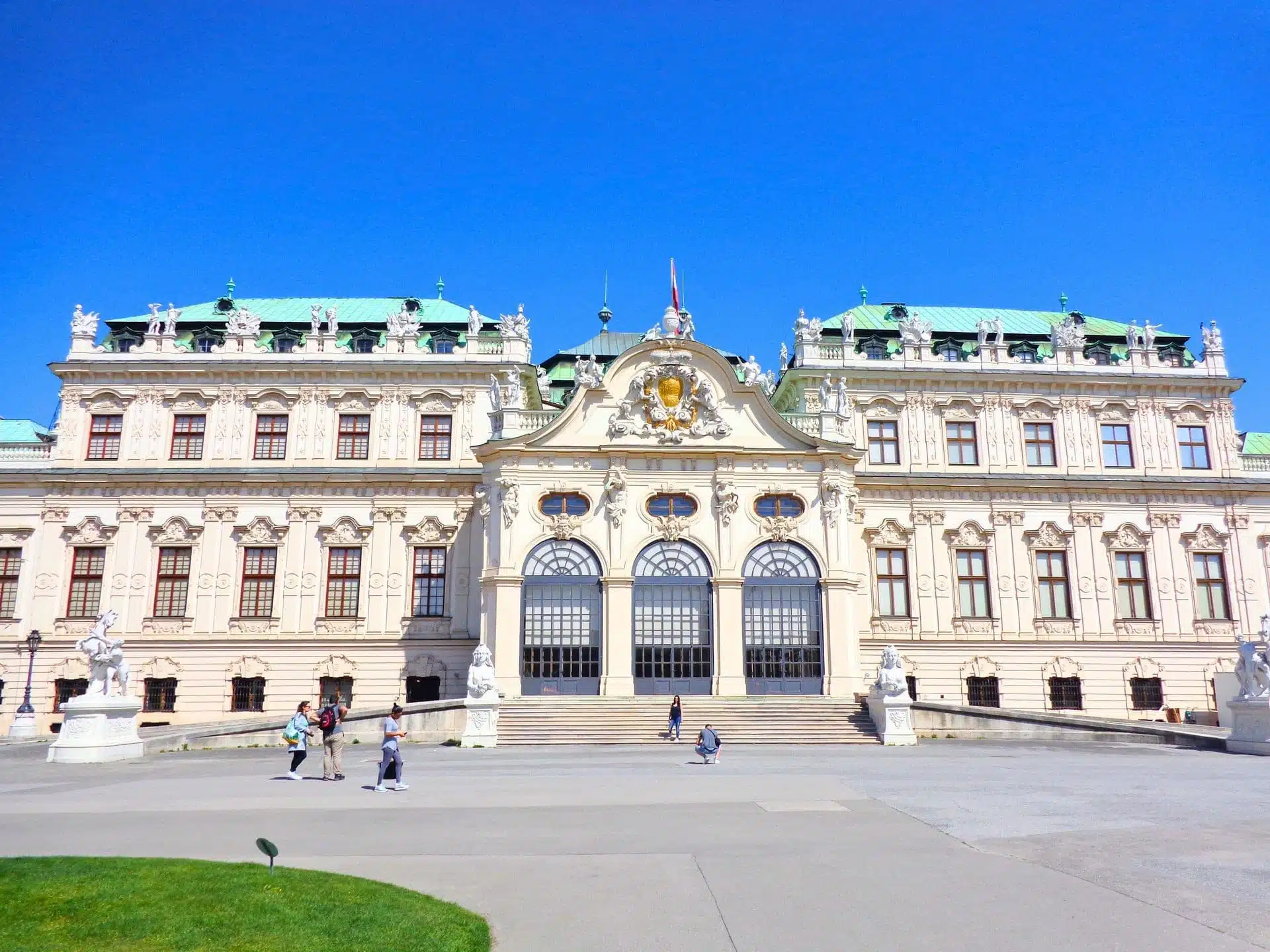
The Belvedere pairs Baroque rooms with Klimt’s The Kiss, which is great if you’re more of an art history fan than a women’s history fan.


Libraries and Churches
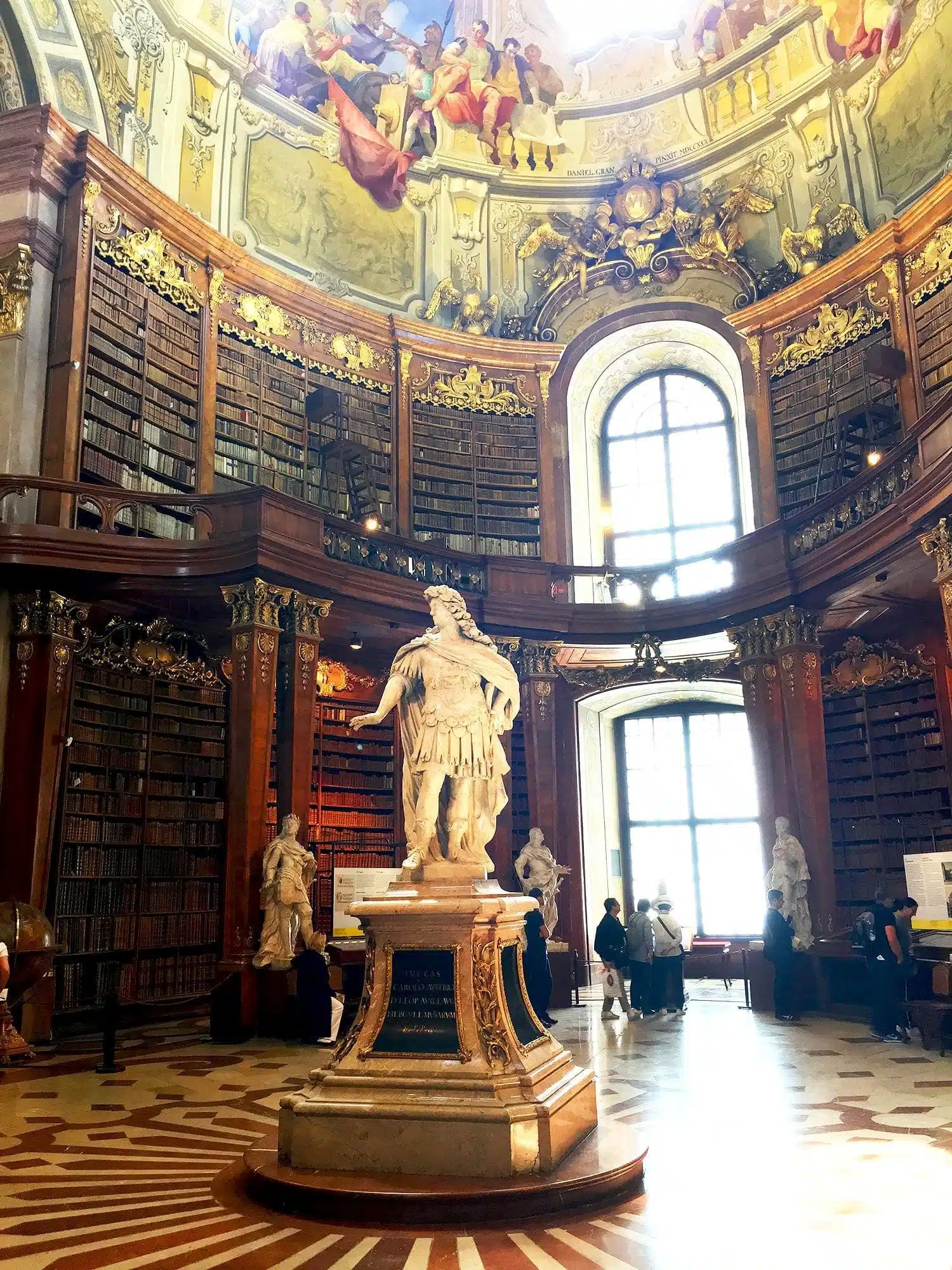
The State Hall of the Austrian National Library is a must for book lovers like myself. I planned a quick peek and ended up staying far longer.
Stephansdom is free to enter, though its tower and catacomb tours are cash-only, and Peterskirche is free too.


Food and Wine
The Apple Strudel Show at Schönbrunn beat the famous Sachertorte at Café Sacher for my mom and me. It was entertaining, informative, and a change of pace from the many museums we visited.
For wine, head out to a Heuriger in Grinzing; it’s one of Vienna’s unique features.
For a beer-garden lunch, go to Schweizerhaus in the Prater.
See more details in my what to eat in Vienna guide.

What I’d Skip
Time Travel Vienna is fun for kids, but not worth it otherwise, as it’s more of an amusement ride than a historical attraction.
The Danube Canal city cruise is relaxing, but you can skip it unless you need to rest your feet, since there are no major sights along the route.
What I Didn’t Get To
The Imperial Treasury was closed when I visited, and I didn’t make it to the Hundertwasser Museum or the State Opera. All three are on my list for next time.
A Brief History of Vienna (and the Women Who Shaped It)
Vienna’s history is usually told through emperors, but some of its most fascinating figures were women. Knowing their stories, alongside the essential facts, makes the palaces and museums far more meaningful.
My own ancestors were part of Vienna’s story, settling in Vienna from outside Ljubljana, Slovenia, before emigrating to the US.
- Roman roots: Vienna began as Vindobona, a Roman military camp on the Danube. Peterskirche stands on the site of that ancient settlement.
- Habsburg capital: The Habsburg dynasty ruled from Vienna for more than 600 years, with the Hofburg Palace as its seat of power.
- Maria Theresa (reigned 1740–1780): The only woman to rule the Habsburg lands in her own right, she made Schönbrunn the center of court life. Her 16 children included Marie Antoinette, and her strategic marriages earned her the nickname “Europe’s mother-in-law.”
- Empress Elisabeth, “Sisi” (1837–1898): She married Emperor Franz Joseph at 16 and spent her life resisting the rigid court. Her assassination in Geneva in 1898 shocked the empire. A visit to her dedicated site, the Sisi Museum in Vienna, is a must.
- Bertha von Suttner (1843–1914): A Vienna-based writer and pacifist, she became the first woman to win the Nobel Peace Prize in 1905.
- Hedy Lamarr (1914–2000): Born in Vienna, she became a Hollywood star and co-invented frequency-hopping technology that later helped make Wi-Fi and Bluetooth possible. As someone who worked in Hollywood, she’s one of my favorite stars.
- Occupation and rebirth (1945–1955): After World War II, the US, UK, France, and the Soviet Union divided Vienna until Austria regained independence. The film The Third Man (1949) captures this era, so it’s worth watching before you go.
- UNESCO status: Vienna’s historic center was named a UNESCO World Heritage Site in 2001.
If you’re debating between Schönbrunn, more associated with Maria Theresa, and Hofburg Palace, associated with Empress Elisabeth, start with my guide comparing Hofburg Palace vs. Schönbrunn Palace.
Day Trips from Vienna
Salzburg and Bratislava are the two easiest day trips from Vienna, and I’ve been to both.
Salzburg, Austria
Salzburg is about 2.5 hours from Wien Hauptbahnhof by train, so it works as a long day trip.
My mom and I gave Salzburg two days to see The Sound of Music sites, Hohensalzburg Fortress, and the trick fountains at Hellbrunn, but you can see the highlights in one day if you’re pressed for time.


If you’re debating between Salzburg and Vienna, Austria’s two most visited cities, check out my comparative guide.
Bratislava, Slovakia
Bratislava is about 45 minutes by bus from Vienna International Airport.
When I visited in 2025, I landed in Vienna and took the bus straight there.
It’s one of Europe’s hidden gems and far less visited than other European cities.
Plan Your Vienna Trip
These guides go deeper into each part of planning a first trip to Vienna.
- 2 Days in Vienna: a weekend itinerary with a map
- 3 Days in Vienna: a budget-savvy first-timer itinerary
- 5-Day Austria Travel Itinerary: For those planning a larger trip beyond just Austria’s capital
FAQs
Where is Vienna in Europe?
Vienna is in northeastern Austria, in the heart of Central Europe, on the Danube River.
It sits near the borders of Slovakia, the Czech Republic, and Hungary, making Bratislava, Budapest, and Prague easy to pair with a Vienna trip by train or bus.
What is the Best Month to Visit Vienna?
May and September are the best months to visit Vienna, with mild weather and smaller crowds than in summer.
The full shoulder season runs April–May and September–October.
Visit from mid-November through December for the Christmas markets, but expect higher hotel prices.
What are the Do’s and Don’ts in Vienna?
The main do’s in Vienna are booking timed tickets for major palaces, greeting shopkeepers with “Grüß Gott” or “Hallo,” and taking your time in coffeehouses, where lingering over one coffee is normal.
The main don’ts are leaving your tip on the table, eating right beside major sights, and riding public transport without a valid ticket, which can mean a fine.
What Should You Beware of in Vienna?
Visitors to Vienna should watch for pickpockets in crowded spots like Stephansplatz, the U-Bahn, and the Christmas markets.
Also watch for cash-only exceptions like St. Stephen’s Cathedral tours, card machines that offer to charge you in dollars instead of euros, and overpriced restaurants near tourist sights.
Can I Speak English in Vienna?
English is widely spoken in Vienna, especially at hotels, restaurants, museums, and shops in the city center.
In the outer districts, English is less common, so a translation app like Google Translate and a few German phrases like “Danke” and “Zahlen, bitte” can help.
How Many Days are Enough for Vienna?
Four days is enough for most first-time visitors to Vienna, giving you time to see the Hofburg, Schönbrunn, the Belvedere, and a few neighborhoods without rushing.
Two to three days cover the highlights at a faster pace.
See how many days in Vienna for 2- to 5-day plans, plus a calculator to help you figure out how much time you’ll need.
Related Vienna Travel Guides
- Vienna Travel Guide: Essential Tips for Your First Trip to Austria’s Capital
- Guide to the Hofburg Palace and Sisi Museum in Vienna
- Austrian National Library: Live a Bookworm’s Dream in Vienna
- How Many Days in Vienna? A Simple Guide for First-timers
- How to Spend 2 Days in Vienna: Budget Itinerary + Map
- Is Vienna Worth Visiting? 13 Things to Consider Before Traveling
- Helpful Guide to “Is the Vienna Pass Worth It?”
- Hofburg Palace vs Schonbrunn Palace: Which Imperial Experience is Better?
- 37 Things to Do in Vienna: Exploring Austria’s Capital Affordably
- Where to Stay in Vienna: My Favorite Areas + Best Budget Hotels
- How to Spend 3 Days in Vienna: My Budget-Savvy Itinerary
- What to Eat in Vienna, Austria: A First-Timer’s Guide to Viennese Food
Want to remember this? Pin this Vienna Travel Guide: Essential Tips for Your First Trip to Austria article to your favorite Pinterest board!

