

Greetings from Neuschwanstein!
Germany 🇩🇪
From the Swan King to WWII history, Germany has fascinated me on multiple travels.
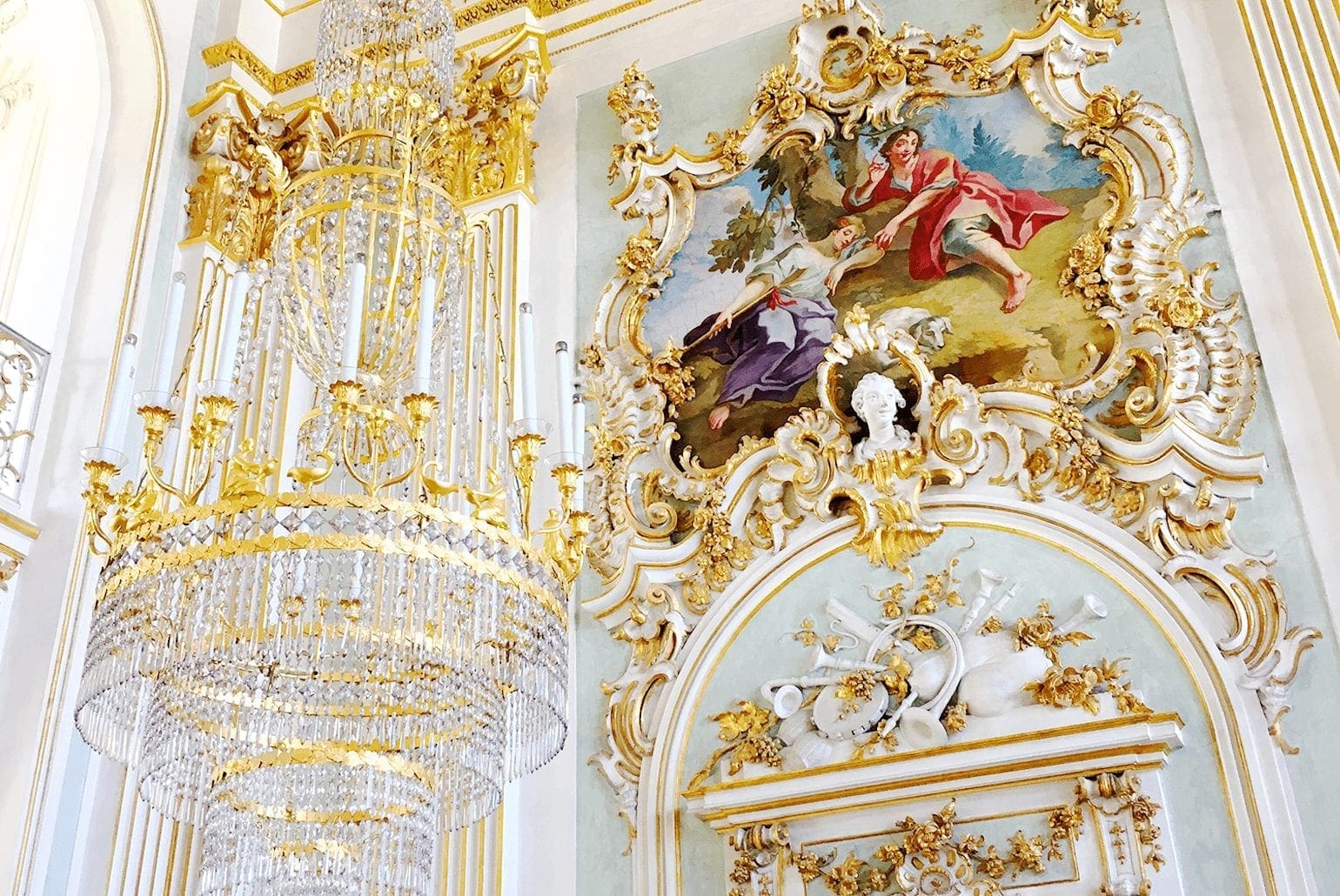
On my first trip, we took a bus from Salzburg, Austria, to the Bavarian side of the country. There, my mother and I spent a couple of days exploring Munich, wandering the Old Town, touring the Baroque Nymphenburg Palace, and sipping from giant beer steins and snacking on pretzels at Hofbräuhaus München.
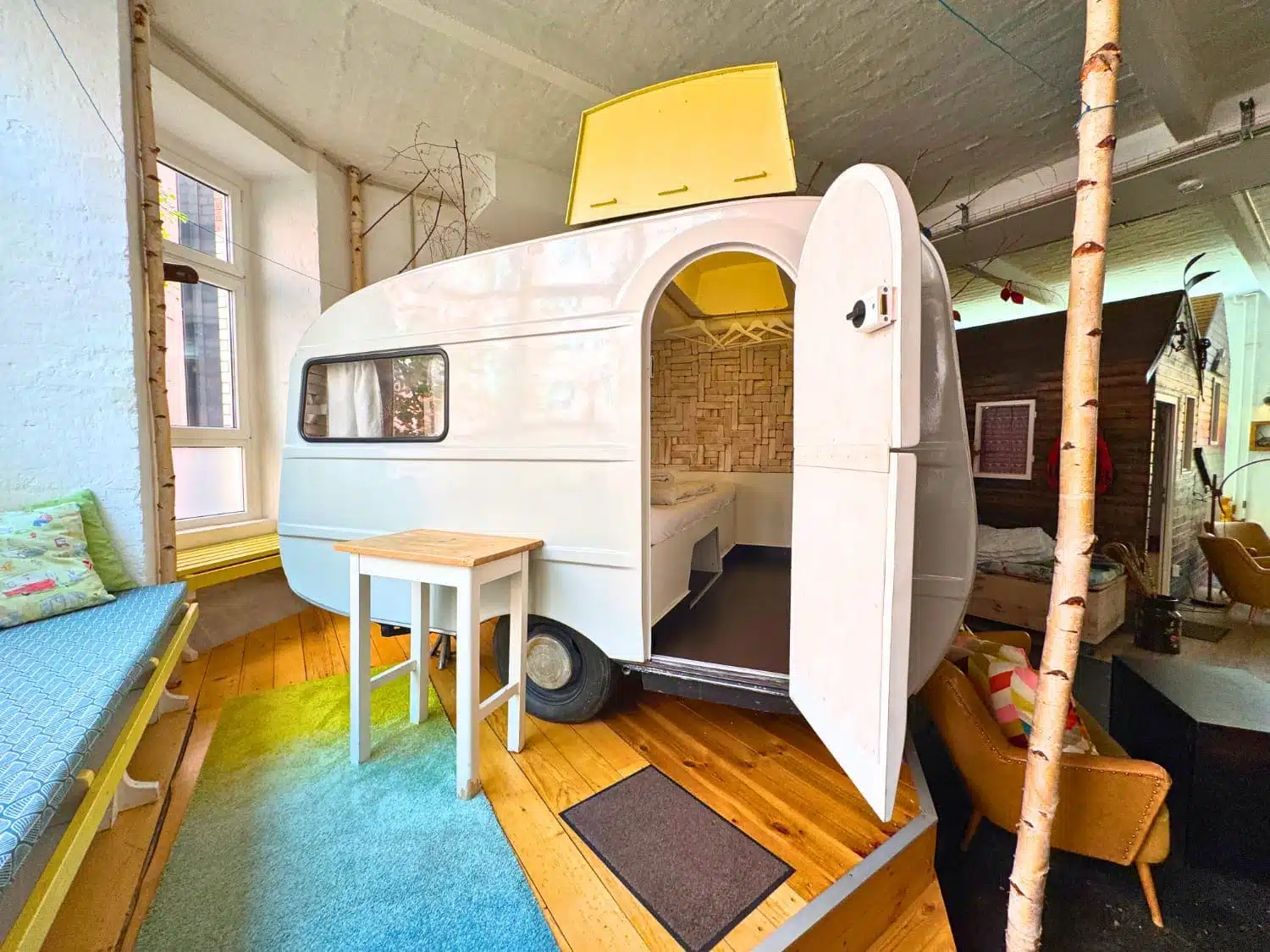
On my latest trip with my travel buddy, I experienced more of this remarkable country, strolling through the vibrant streets of Berlin amid the historic Brandenburg Gate, the Topography of Terror, and world-class museums, while staying at the most adorable caravan hotel known to man.
Whether you’re planning a solo trip, a friend’s vacation, or a family getaway, these Germany travel blogs will help you plan an unforgettable, budget-friendly trip to these German destinations.
What are the best places to visit in Germany for first-timers?
The best way to see Germany as a first-timer is to split time between Bavaria and Berlin rather than trying to cover the whole country. Munich anchors Bavaria, with WWII history, Old Town, Nymphenburg Palace, and day trips to fairy-tale castles like Neuschwanstein, while Berlin brings the modern capital’s energy and its own history. I personally visited Germany in 2018 and 2025, split across both regions—ideal for first-time visitors who want castles, cities, and history in one trip rather than picking just one.



Fun Facts About Germany
- 🏰 Germany has over 25,000 castles—more than any other country in Europe—but here’s the surprising part: Neuschwanstein (the “Disney castle”) was built by a king who never actually finished it and only lived there for 172 days!
- ⏰ The Glockenspiel at Munich’s New Town Hall has been performing the same show since 1908, twice daily at 11 AM and noon (plus 5 PM March-October). Some feel it’s overrated, but I loved watching it!
- 🎨 Berlin is home to more museums than rainy days—over 180 of them—and Museum Island alone houses 6,000+ years of human history across five world-class museums on a single island.
- 🏛️ Nymphenburg Palace was originally built as a summer villa but eventually grew to 490 acres with ornate gardens, hidden pavilions, and a porcelain factory—all because Bavarian royalty kept adding to it for 300+ years!
- 🍺 Hofbräuhaus München is the world’s most famous beer hall, serving beer since 1589, making it one of Munich’s oldest too!
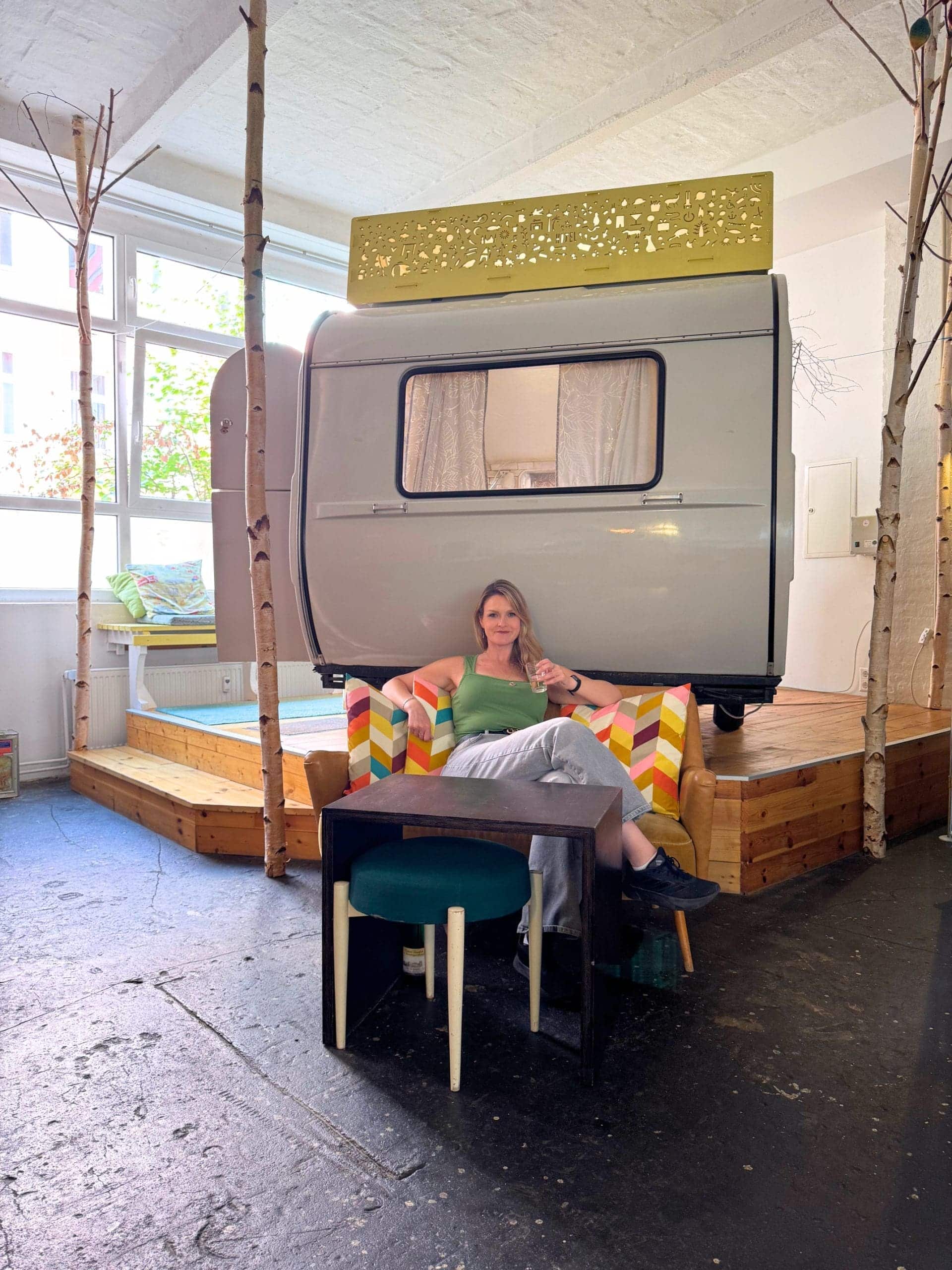
- 🛏️ Berlin’s quirky hotel scene includes many options, but my favorite was sleeping in a refurbished trailer at Hüttenpalast—an indoor camping hotel where vintage caravans sit inside a former vacuum cleaner factory!
The Best Time to Visit Germany
Why I prefer shoulder season:
- Temperatures are perfect for walking tours through Munich’s Old Town or exploring Berlin’s sprawling museum district
- Tourist crowds are manageable—you can actually enjoy Nymphenburg Palace without fighting through tour groups
- Accommodation prices drop 30-40% compared to summer (especially in Munich during Oktoberfest)
- Beer gardens are open but not packed, and you can actually snag a table
My experience: Both times I’ve been in Germany have been in May. I found the weather to be perfect, though I did need a light coat and experienced gloomy skies sporadically, but crowds weren’t crazy, even at popular sites such as Neuschwanstein

Things to Know Before You Go
Germany uses the Euro (€)
You can exchange money before a trip, but I find it best to withdraw cash at a local ATM on an as-needed basis.
They speak German
Practice basic phrases (Hallo, Guten Tag, Bitte, Danke…), but in most tourist areas, people also speak English.
A visa isn’t needed
For short tourist visits (90 days max), no visa is needed. However, you will soon need to apply for ETIAS before entering. Additionally, EES requires non-EU travelers to provide fingerprints and facial images to enter Germany.
Download the Omio and Citymapper App
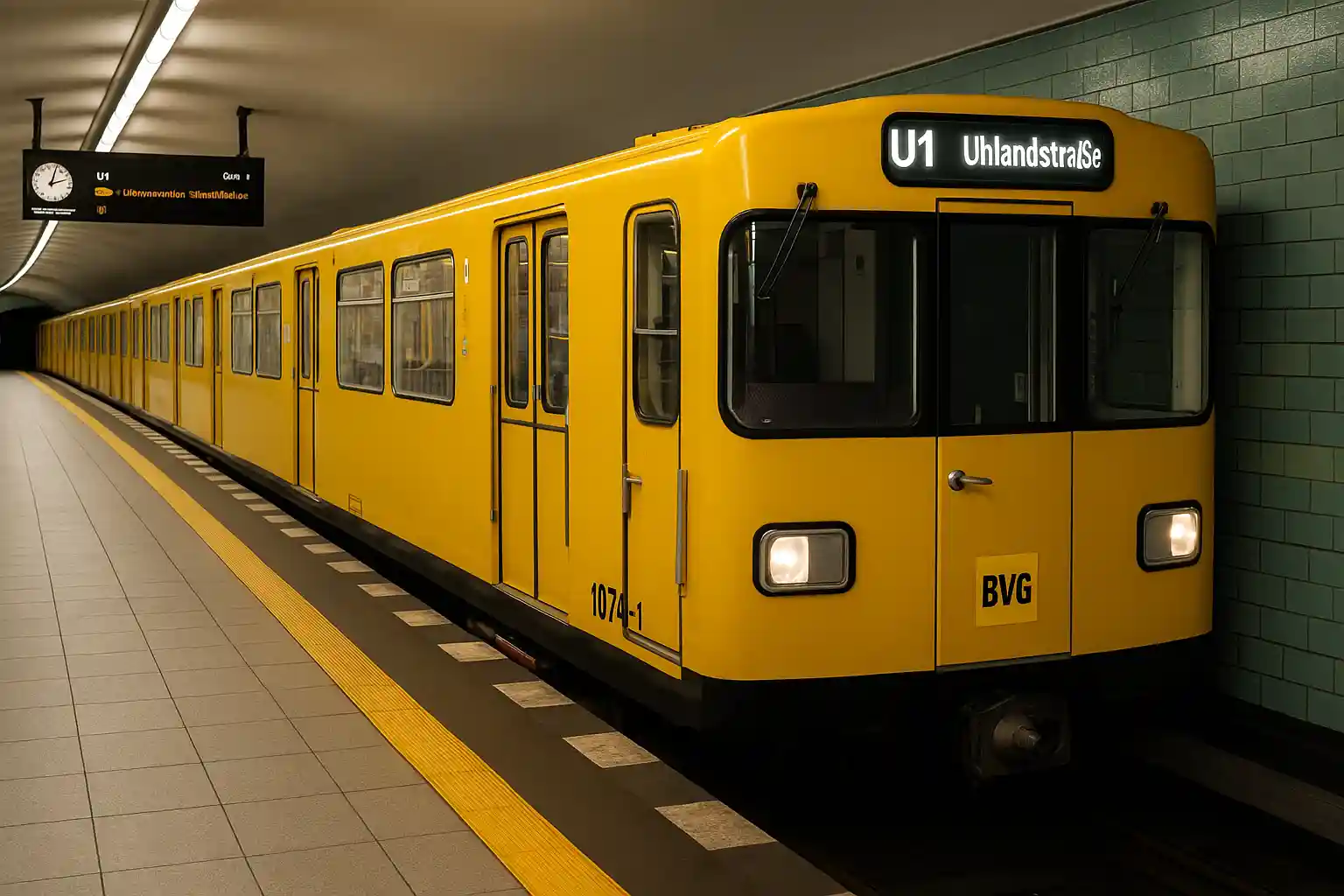
Use the Omio app for long train and bus journeys. Get the Citymapper app for local transport info. I used the train, a bus, and a car rental to travel around Germany. Local transport is also very efficient—trams, buses, and trains!
Germany Travel Tools
Below are the exact tools I used to plan my German adventure! Germany is incredibly rewarding but requires more advanced planning than you’d think.
To avoid any mistakes and secure spots at sold-out attractions, here are my essential planning tips:
- 🚆 Book trains early or prepare to pay through the nose: Munich to Berlin train tickets start around €19.90 if you book weeks ahead, but same-day purchases can hit €150+. I religiously book German Rail (Deutsche Bahn) tickets the moment my itinerary is set to avoid this.
- 🧑💼 Walking tours are genuinely excellent here: I did a free tour in Munich’s Old Town and learned more in 2.5 hours than I would’ve wandering solo with a guidebook. Especially as we accidentally visited on a holiday so many of the attractions were closed, so this tour saved our trip from being a complete waste!
- 🎟️ These attractions WILL turn you away without advance tickets: Neuschwanstein Castle (seriously, don’t even try without prebooking), the Reichstag Dome in Berlin (free but requires advance registration), and any museum during peak season. Book online at least a week ahead to avoid disappointment.
- 🚗 Rent the car if you’re doing serious countryside exploring: If you’re planning to hit up some hidden gem castles, Bavarian villages, or the Black Forest, a car gives you freedom that public transport can’t match. Just check whether your accommodation charges for parking, as that can add up! It was about 50/50 for the hotels/hostels I stayed at whether we were charged or not.