
What Is There to See in the Vatican Museums? Walkthrough Guide + Travel Tips
This site contains affiliate links and is a member of the Amazon Associates Program. At no additional cost to you, I may receive a commission from these links. I only make recommendations based on my experience. See my Disclosure Policy for more info.
Aside from the crowds and mandatory reservations, the biggest challenge of visiting the Vatican Museums is prioritizing when you have limited time but limitless options—70,000 works of art spread across 54 galleries.
After spending five hours solo exploring every accessible gallery during my visit, from the mesmerizing Gallery of Maps to the surprising Moon dust display, I’ve distilled ‘What to see in the Vatican Museums’ to ensure you won’t miss the highlights.
In this guide, I’ll cover the must-see masterpieces so you won’t feel frustrated by the one-way system that doesn’t allow backtracking to revisit favorites (unless you want to be a salmon swimming upstream).
Whether you’re an art enthusiast determined to take in every Renaissance masterpiece or a practical traveler looking to tick off Rome’s essential sights, this guide will help you time your entry to avoid the crowds, understand the strategic layout that funnels you toward the Sistine Chapel finale, and offer the insider knowledge I wish I’d had before my first visit to Vatican City.
Is the Vatican Museum worth it?
The Vatican Museums are worth visiting, and the Sistine Chapel alone justifies the entry price for most visitors. With roughly 70,000 works across 54 galleries, plan for about 5 hours to see the highlights, including the Gallery of Maps, the Egyptian Museum, and the Chiaramonti Museum. Based on my visit, book skip-the-line tickets in advance (reservations are mandatory) as this is a popular tourist attraction.
What are the Vatican Museums in Vatican City?
When I first visited, I’d only heard of the Vatican.
I didn’t know there were separate sections within the City I could tour, so for anyone else who’s unclear, the Vatican Museums are Christian art museums located within, displaying works from collections amassed by various Popes throughout the centuries.
Inside the Vatican Museum are 54 galleries in total, with the Sistine Chapel, notably, being the last room visited.
So, as someone who’s visited over 30 countries (as of 2026) and now makes a point of researching a destination’s history before I go, I wanted this guide to feel like the museum walkthrough I wish I’d had on my first visit.
Not just a highlight reel of ‘what is there to see in the Vatican Museum’, but the strategic tips on how to enjoy 70,000 works of art without feeling rushed or lost.
| Detail | Info |
|---|---|
| Recommended Visit Length | ~5 hours |
| Adult Ticket | €20 + skip-the-line fee |
| Reservations | Mandatory |
| Dress Code | Shoulders and knees covered, no hats |
| Photography | Allowed except in the Sistine Chapel |
| Free Admission | Last Sunday of the month (crowded, on-site only) |
| Layout | One-way system, no backtracking |
What Should I See at the Vatican Museums?
Gallery of the Geographical Maps
The first on my overview of what to see in the Vatican Museums is the Gallery of Maps, a collection of topographical maps of Italy, created by friar Ignazio Danti of Perugia and commissioned by Gregory XIII (1572–1585).
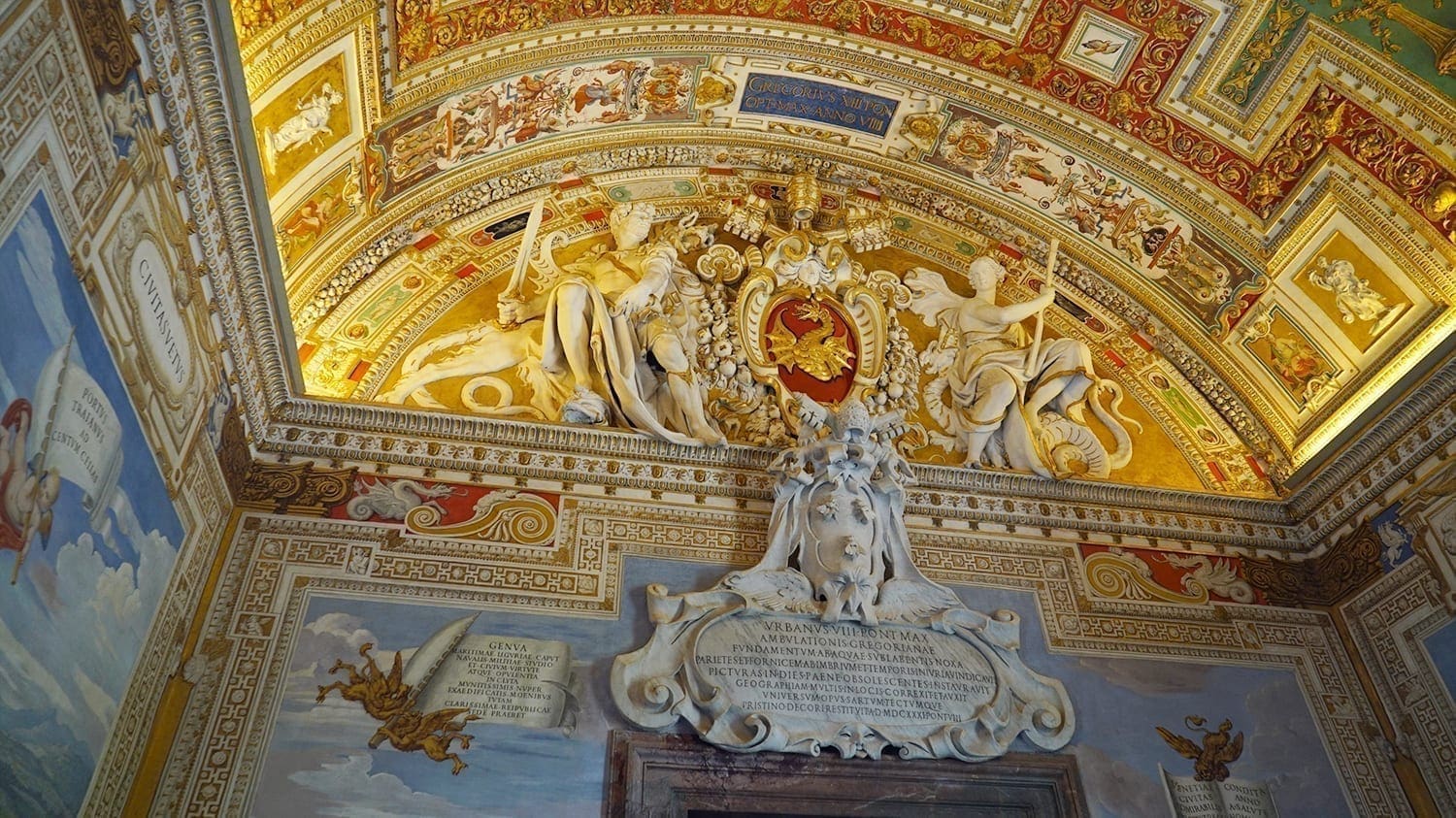
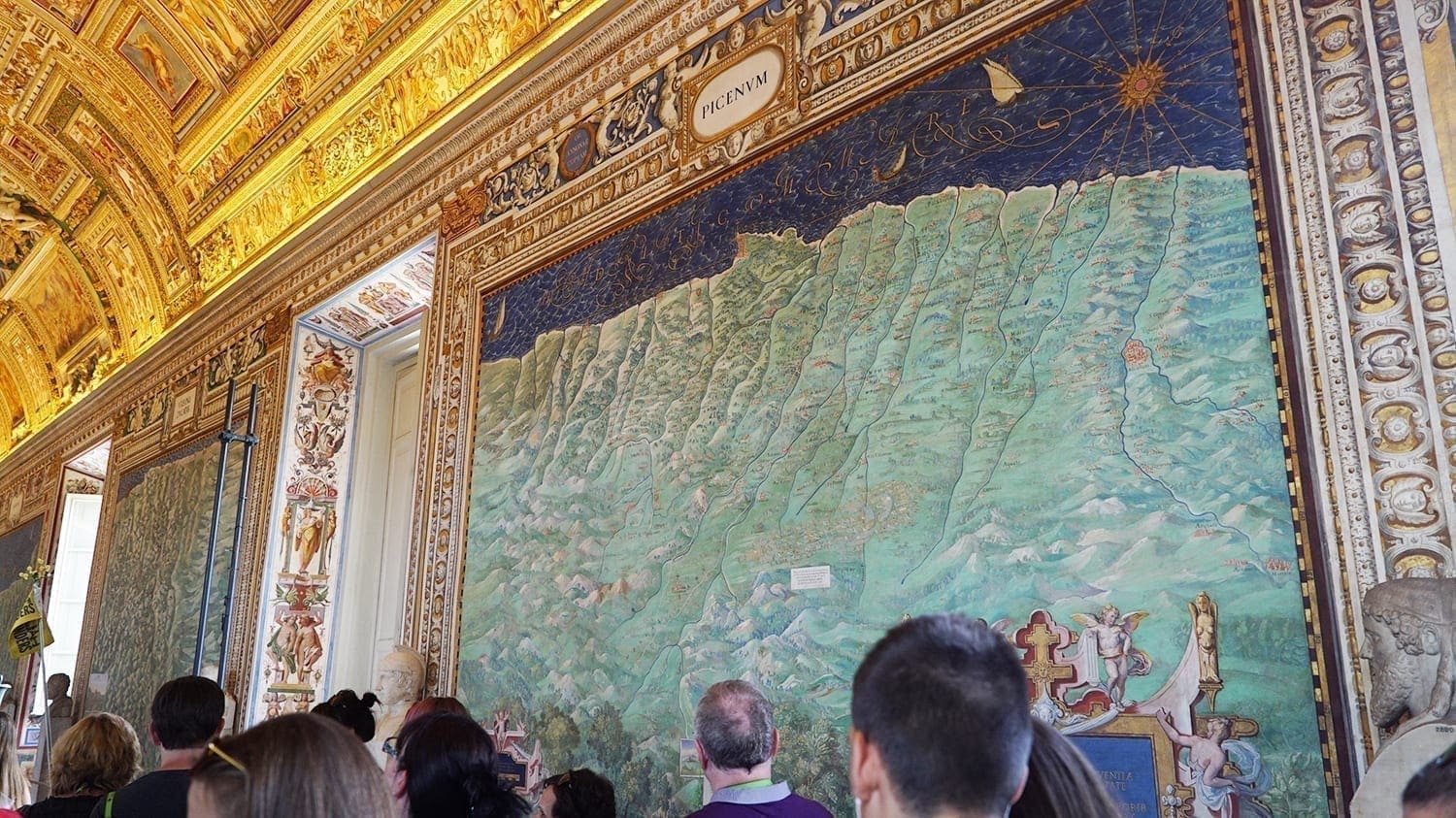
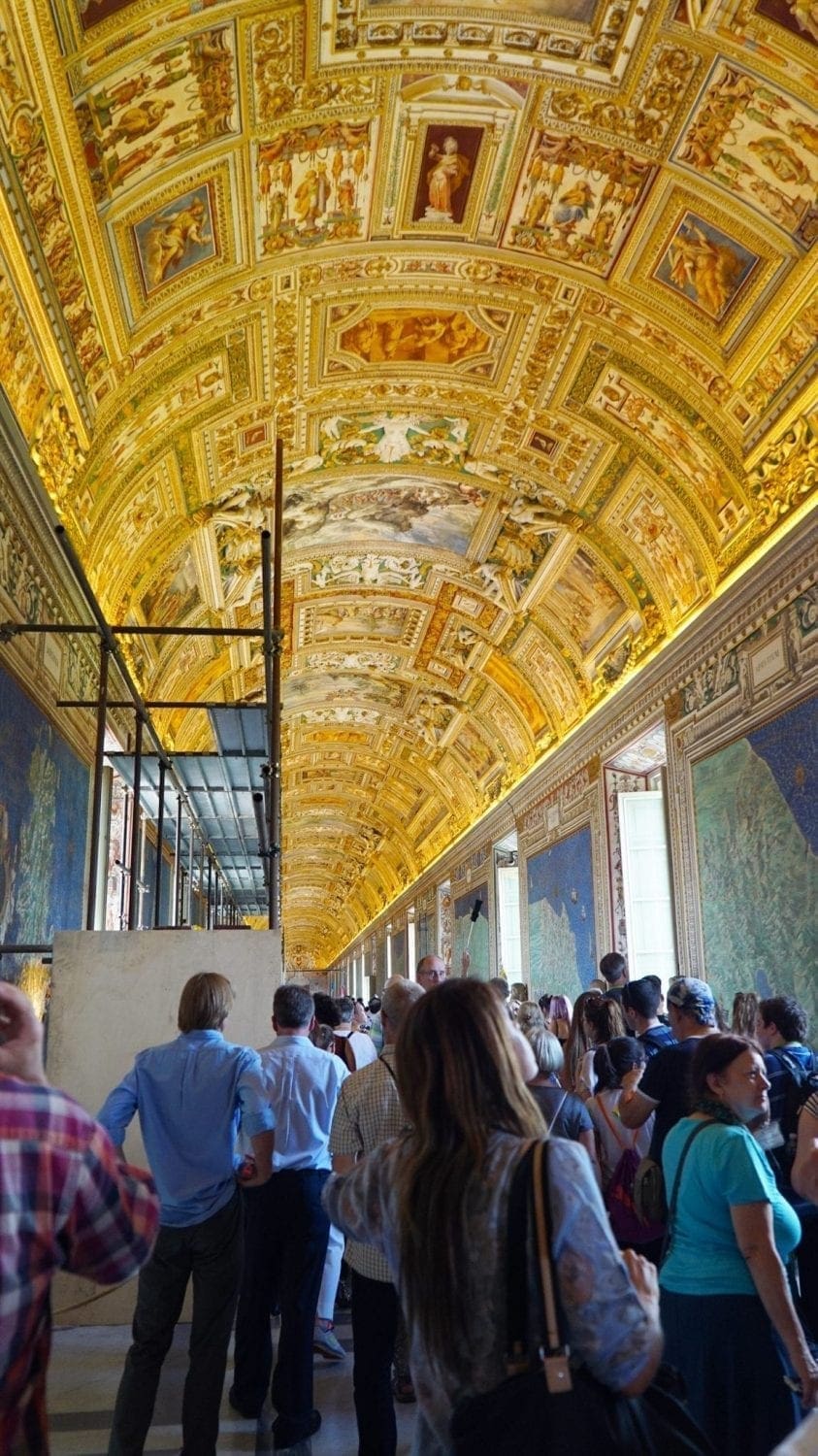
The forty cartographical representations remain the world’s largest pictorial geographical study.
It was also revolutionary at the time for choosing to represent Italy (then divided into many political entities) as a geographical, historical, religious, and cultural unit for the first time.
I could have posted about eight more maps and ceilings I photographed in this area, but they don’t capture what it’s like in person.
The time and effort put into the building alone are amazing.
Chapel of St. Peter Martyr
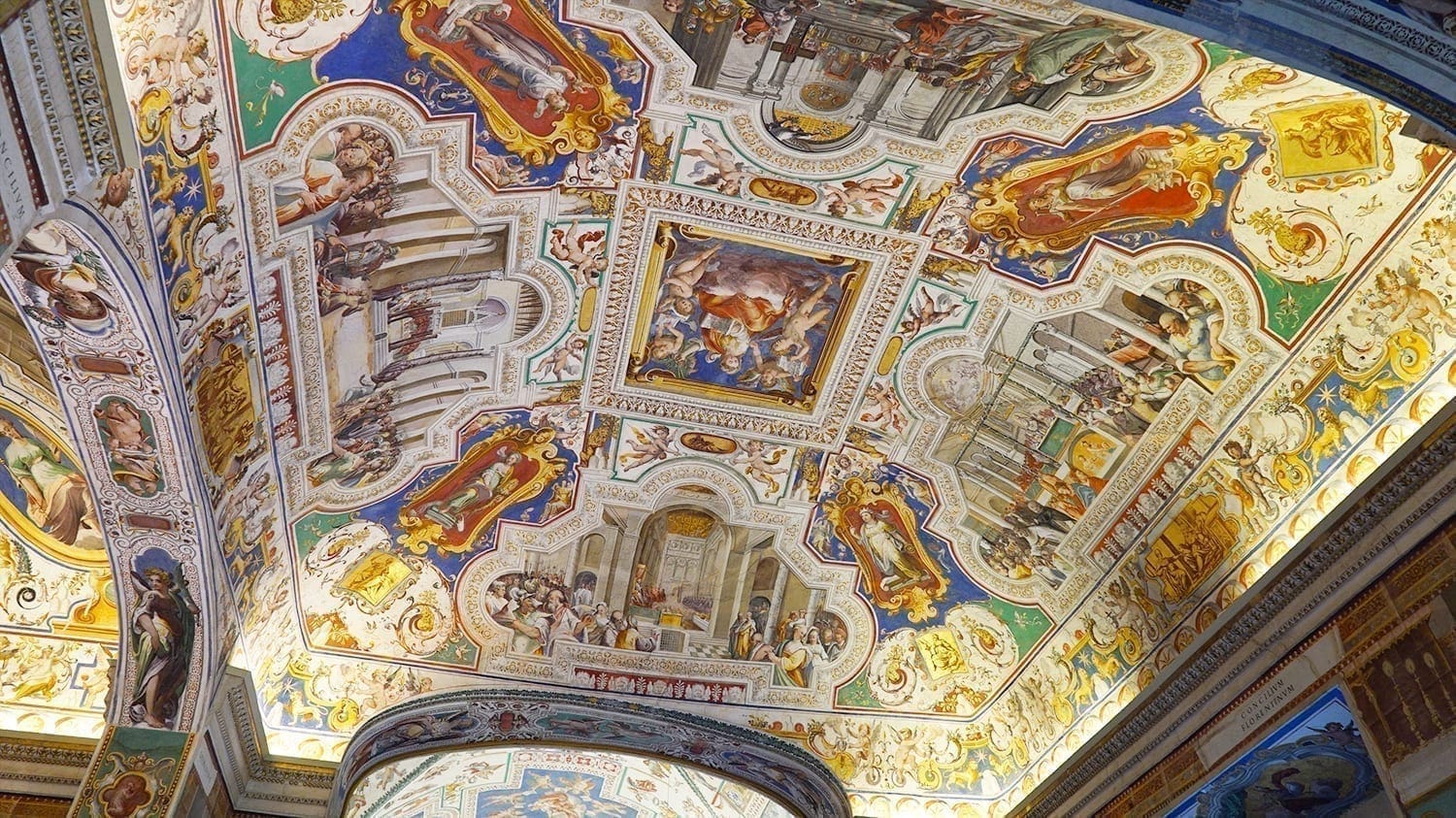
Built at the behest of St. Pius V, the stucco and the frescoes that decorate it are inspired by the Stories of the saint of the same name.
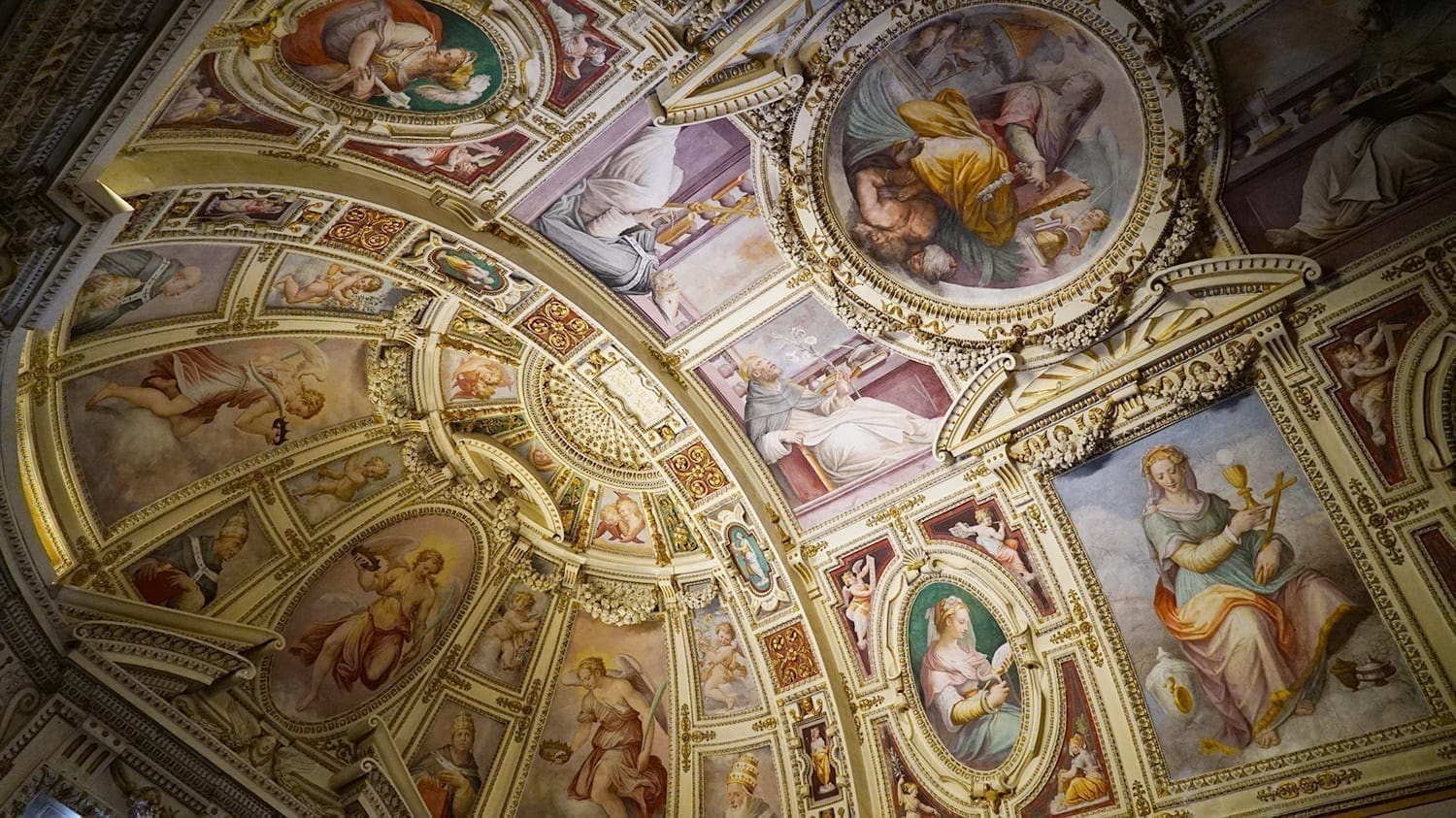
Inside the chapel, a glass-fronted cabinet to the left of the altar contains the precious relics of the Sancta Sanctorum, the ancient chapel of the Palace of the Popes in the Lateran.
The ceiling work again is the real show stopper here, as it’s just so ornate!
Moon Dust Inside the Vatican Museum
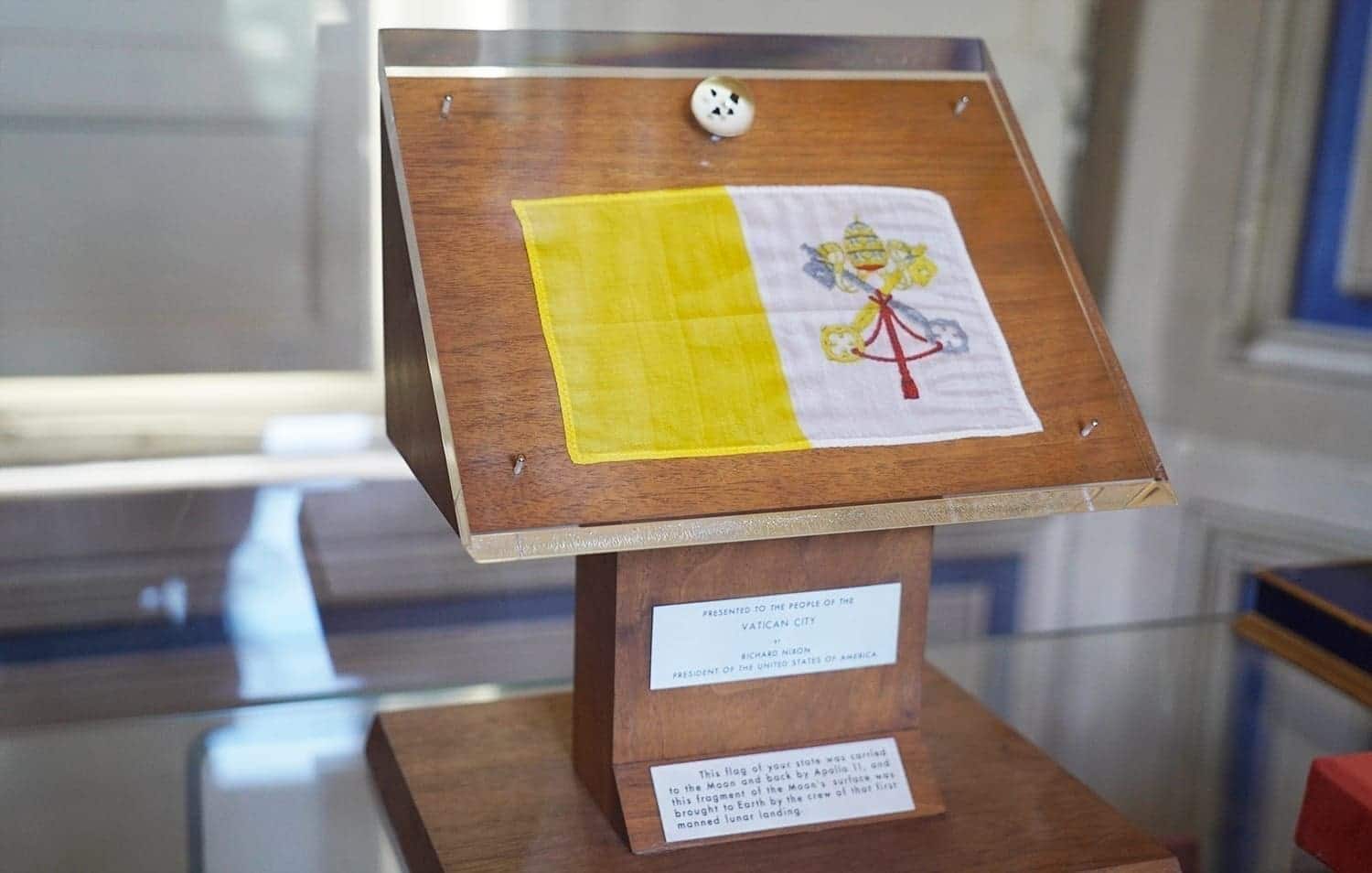
They have the flag that Apollo 11 took to the Moon on display.
President Nixon presented it to the Vatican.
At the top is a fragment of the Moon’s surface taken by the astronauts.
This stood out because the church and the science community as a whole have been at odds for centuries, so to see something that was so clearly a scientific and engineering achievement was a bit surprising to me!
The Vatican Library (Salone Sistino)
Though not always fully accessible to the public (guess I got lucky), the Vatican Apostolic Library is one of the oldest and most significant libraries in the world.
Housing numerous ancient manuscripts and prints.
Its main hall, the Salone Sistino, is a grand space decorated with beautiful frescoes and is one of the largest frescoes in the world.
Pio Clementino Museum
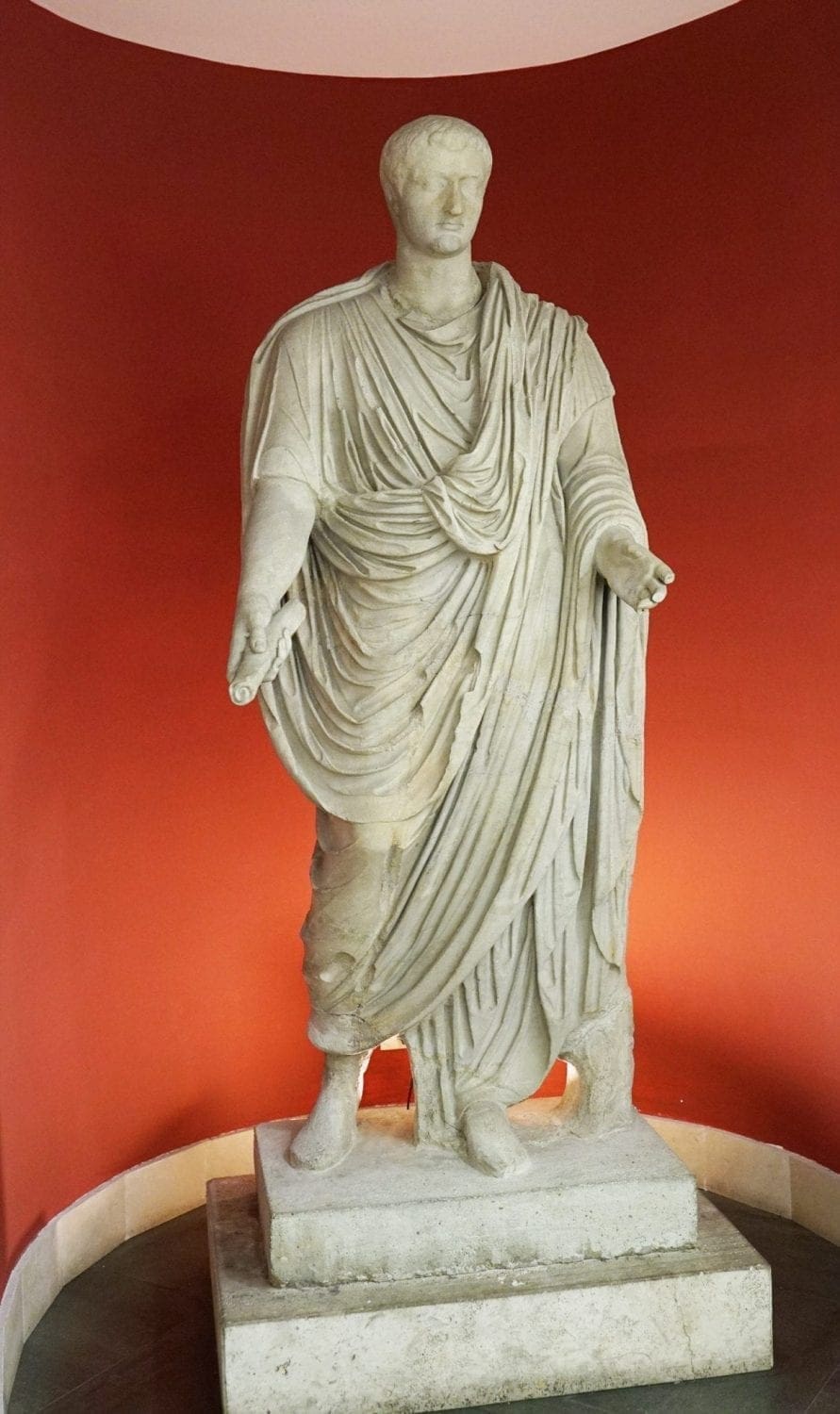
This museum houses several large exhibition halls featuring antique sculptures and ancient Roman artifacts, including the Round Hall, one of the most famous.
The Round Hall
Built to imitate the Pantheon, the walls boast a series of niches for displaying colossal statues.
At the center of the room is a huge red porphyry basin with a circumference of 13 meters (42.5 feet).
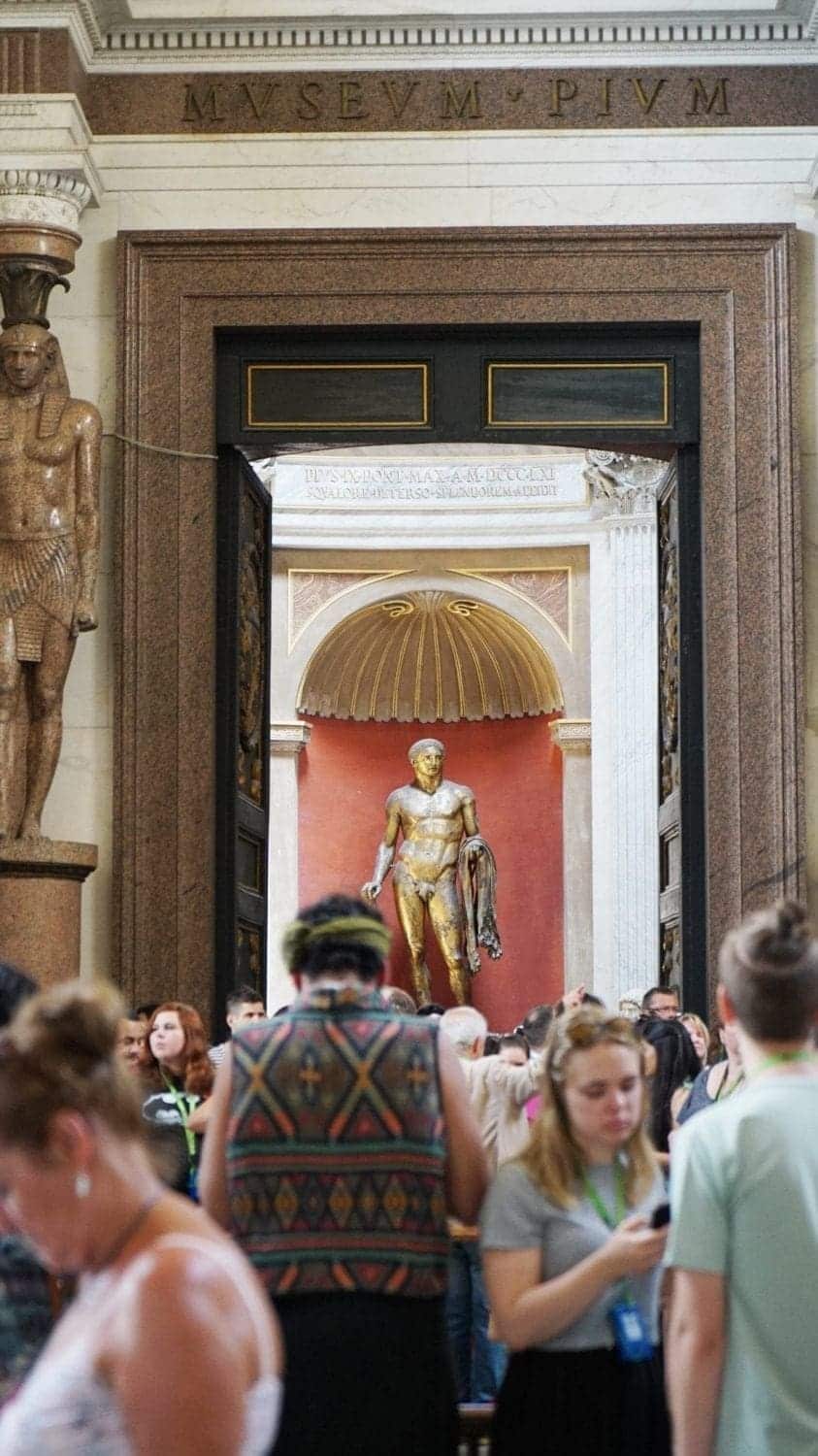
Though it’s not seen in my photo above, it’s just beneath the golden statue of Hercules and must once have adorned one of the large public spaces of imperial Rome.
Pinecone Courtyard
For a short while, you’ll be led outside to this nice open-air area where you can get a nice shot of the Vatican dome.
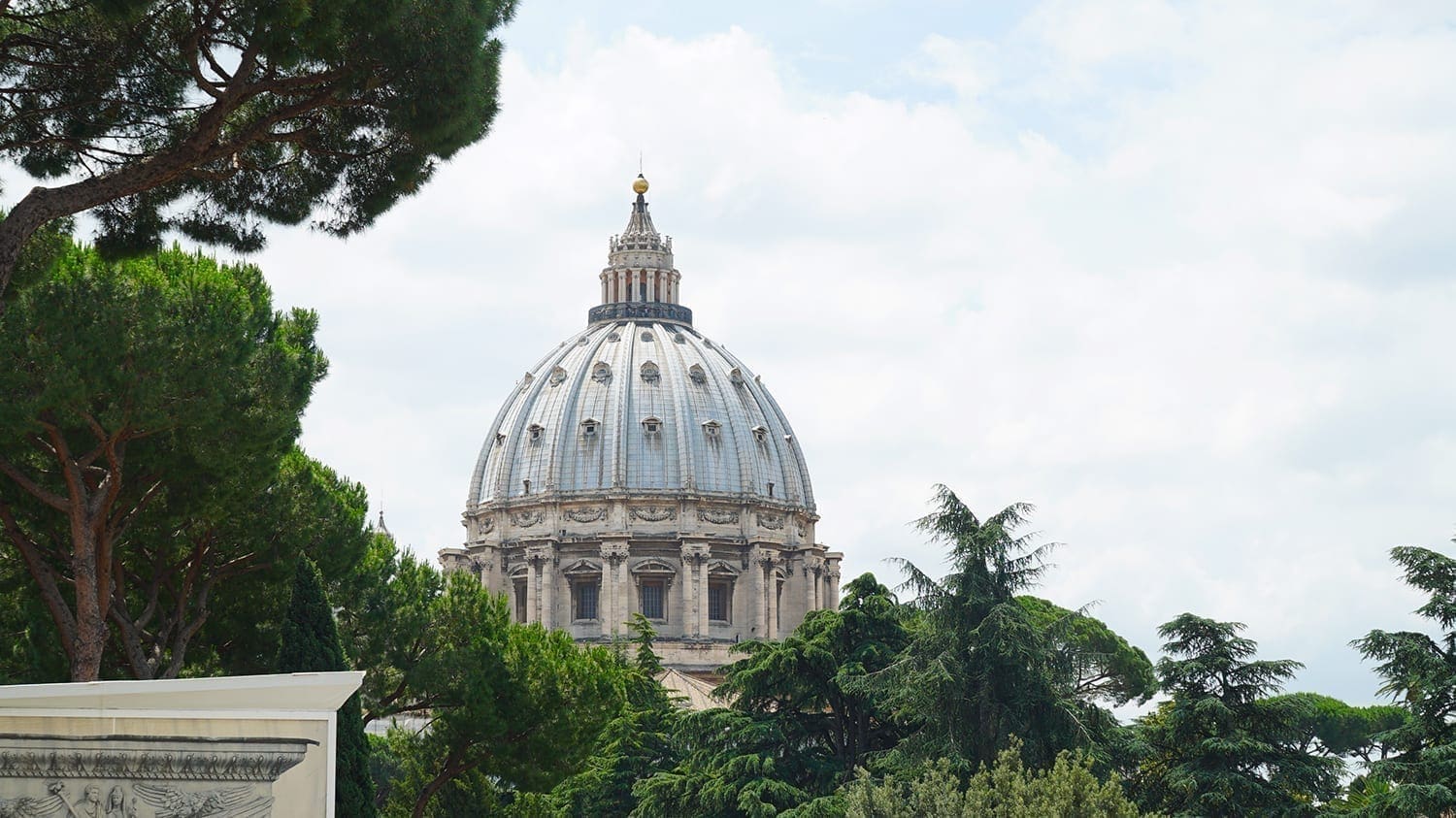
This is called the Pinecone Courtyard because of the huge bronze cone, 4 meters high and 2.5 meters wide (13 feet by 8 feet). It stands at the top of a staircase designed by Michelangelo.
It provides a nice reprieve from the building’s interior, which can be crowded.
It’s also a good break point where you could stop and use the bathroom or get a drink.
Rome can get very hot, so it’s best to keep hydrated!
You’ll also spot the “Sphere Within Sphere” by Italian sculptor Arnaldo Pomodoro, which was made between 1979 and 1980 and donated to the Vatican Museums in 1990.
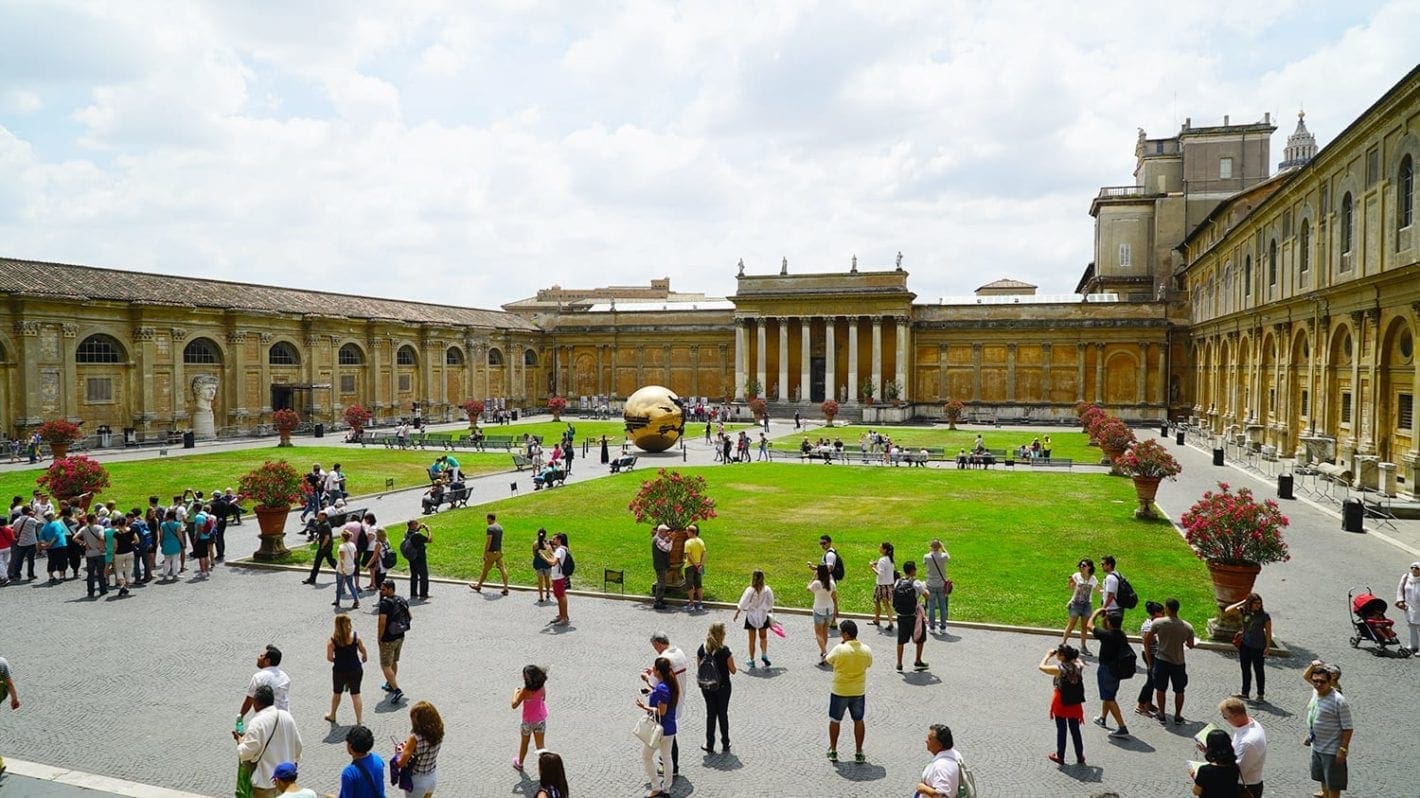
If you’ve been to Trinity College (included in my 2 Days in Dublin itinerary), you’ll see another one he’s created as well.
The Gregorian Egyptian Museum
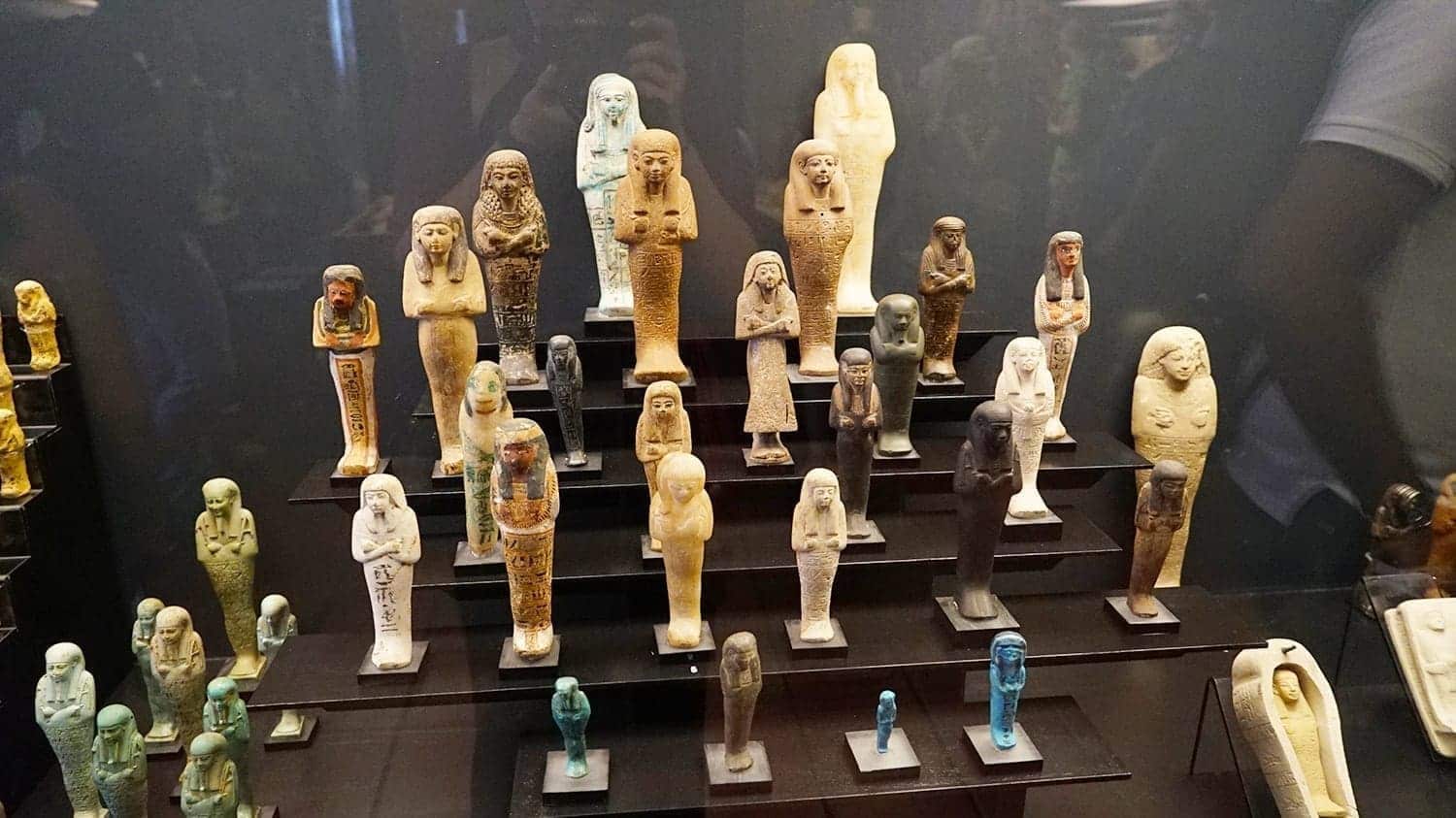
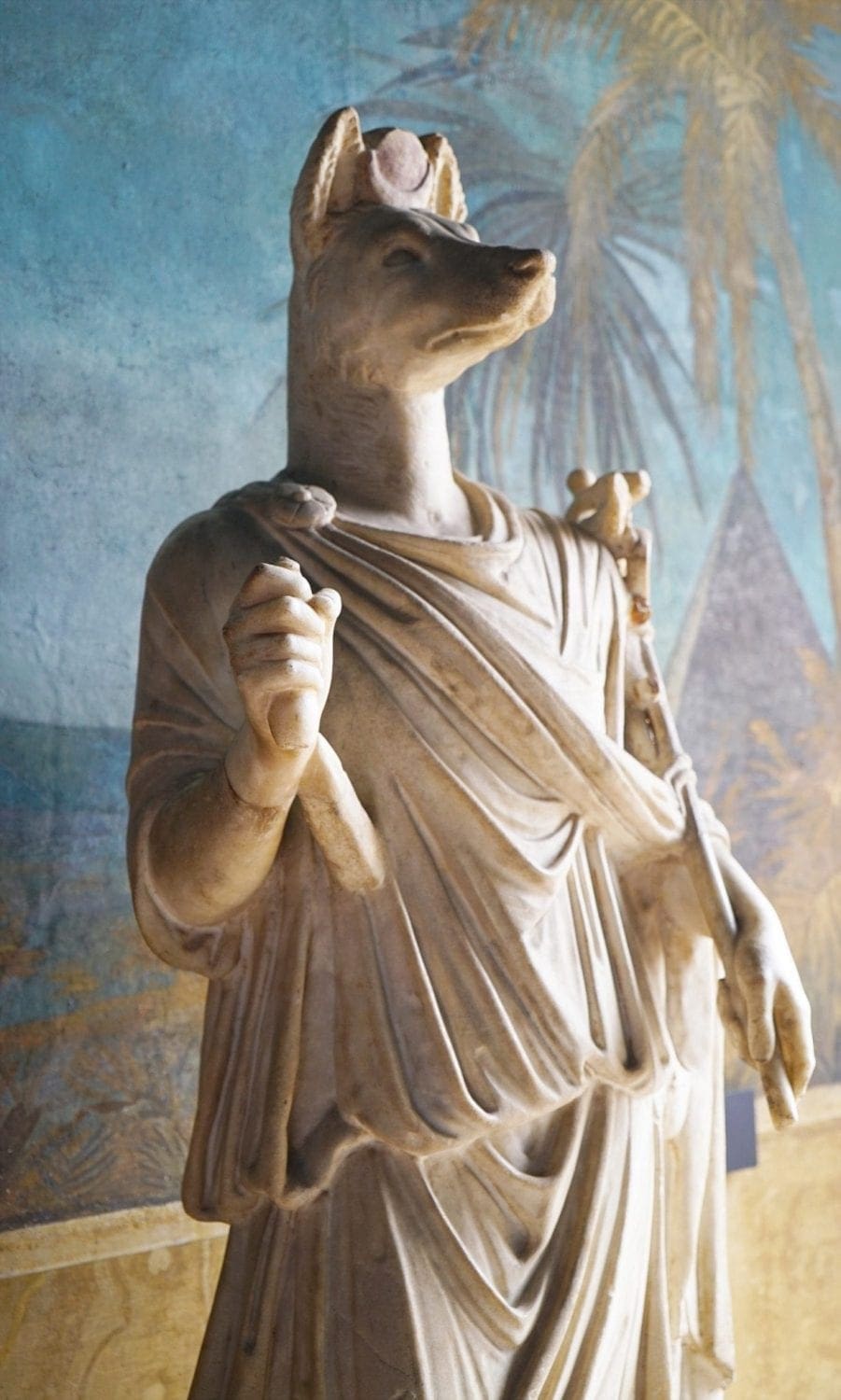
Inside the Vatican Museums is a section called the Gregorian Egyptian Museum, dedicated to Egyptian artifacts.
I’ve always been interested in ancient Egypt, so I really took my time in this section.
Mummies creep me out just as much as they fascinate me. The fact that the body is still around after all these years is amazing.
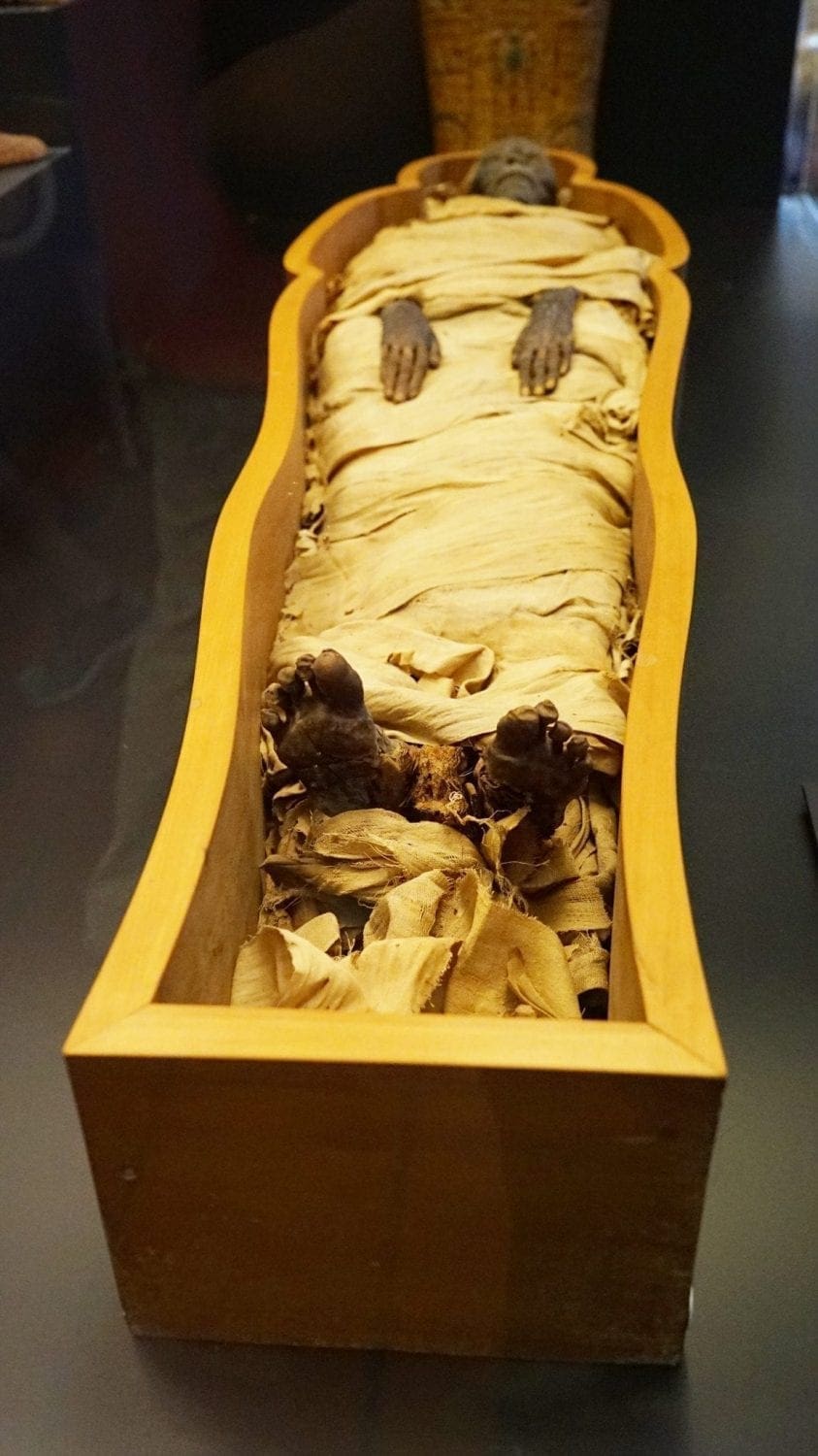
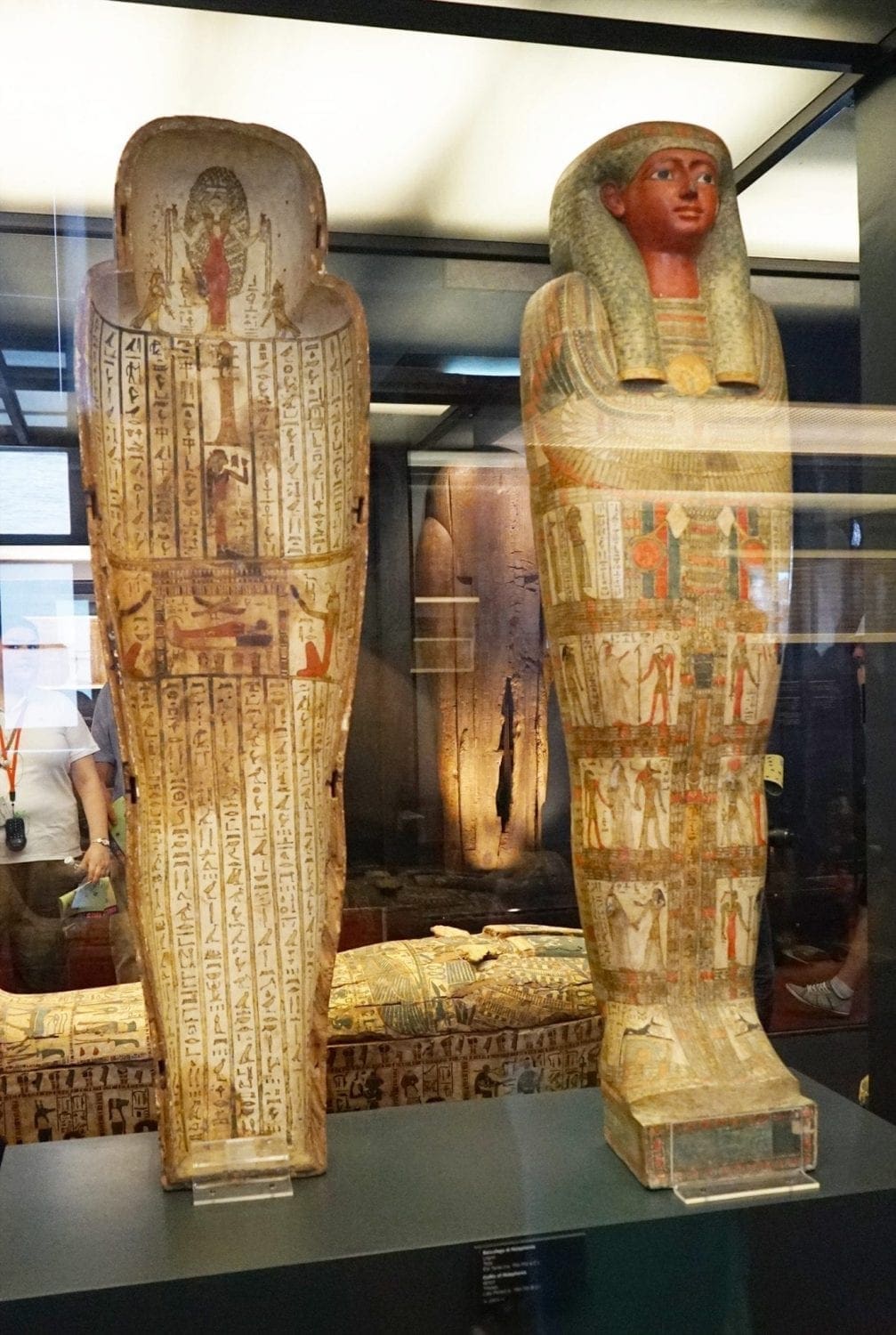
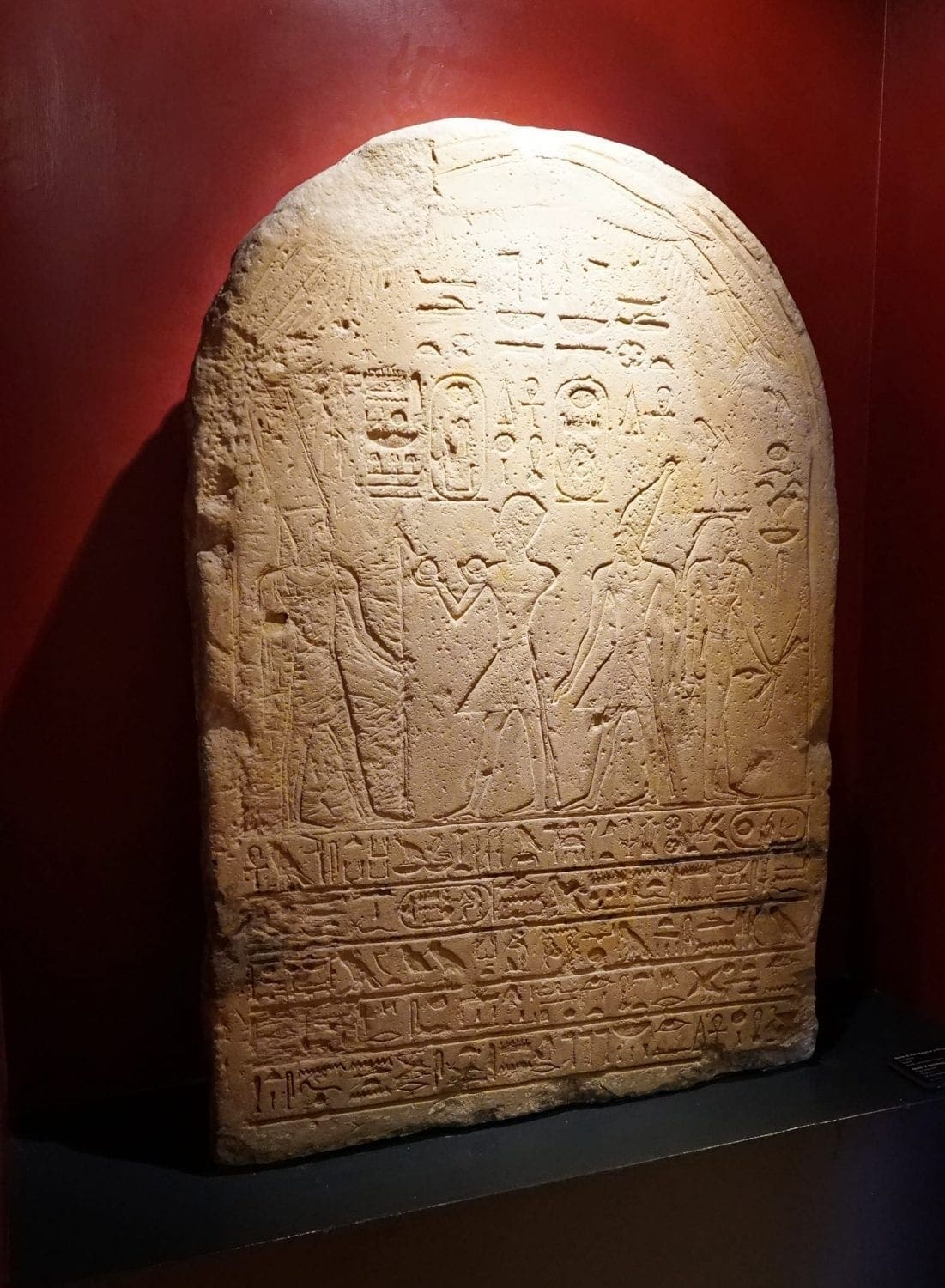
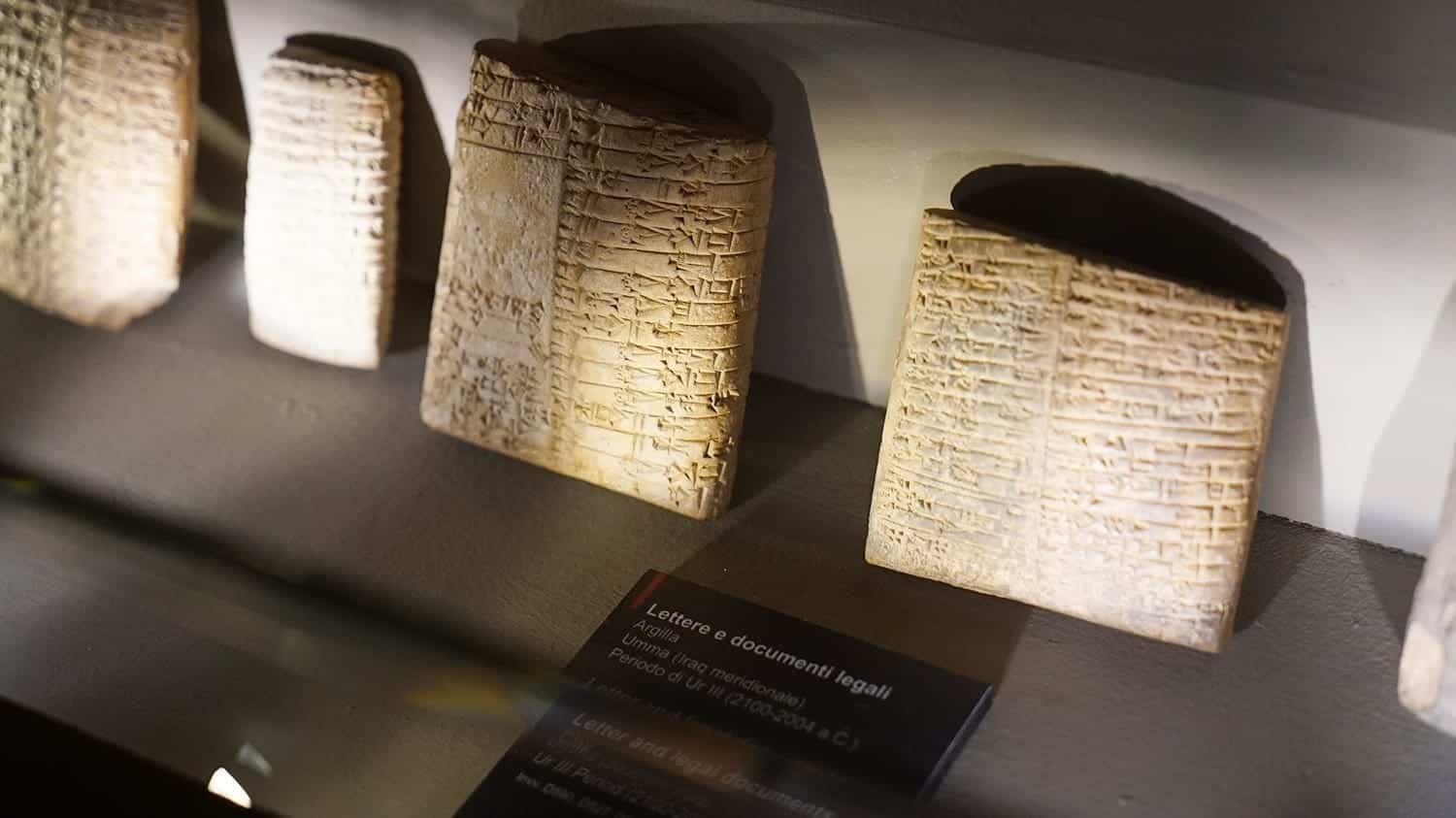
It blows my mind that people had to chisel into stone to write.
We take for granted the ease of writing today.
Writing what you are currently reading would have taken at least a whole day back then! And to think if I made a mistake!
Chiaramonti Museum
One of my favorites to add to your “What to See in the Vatican Museums” list is the Chiaramonti Museum. It’s a room full of statues!
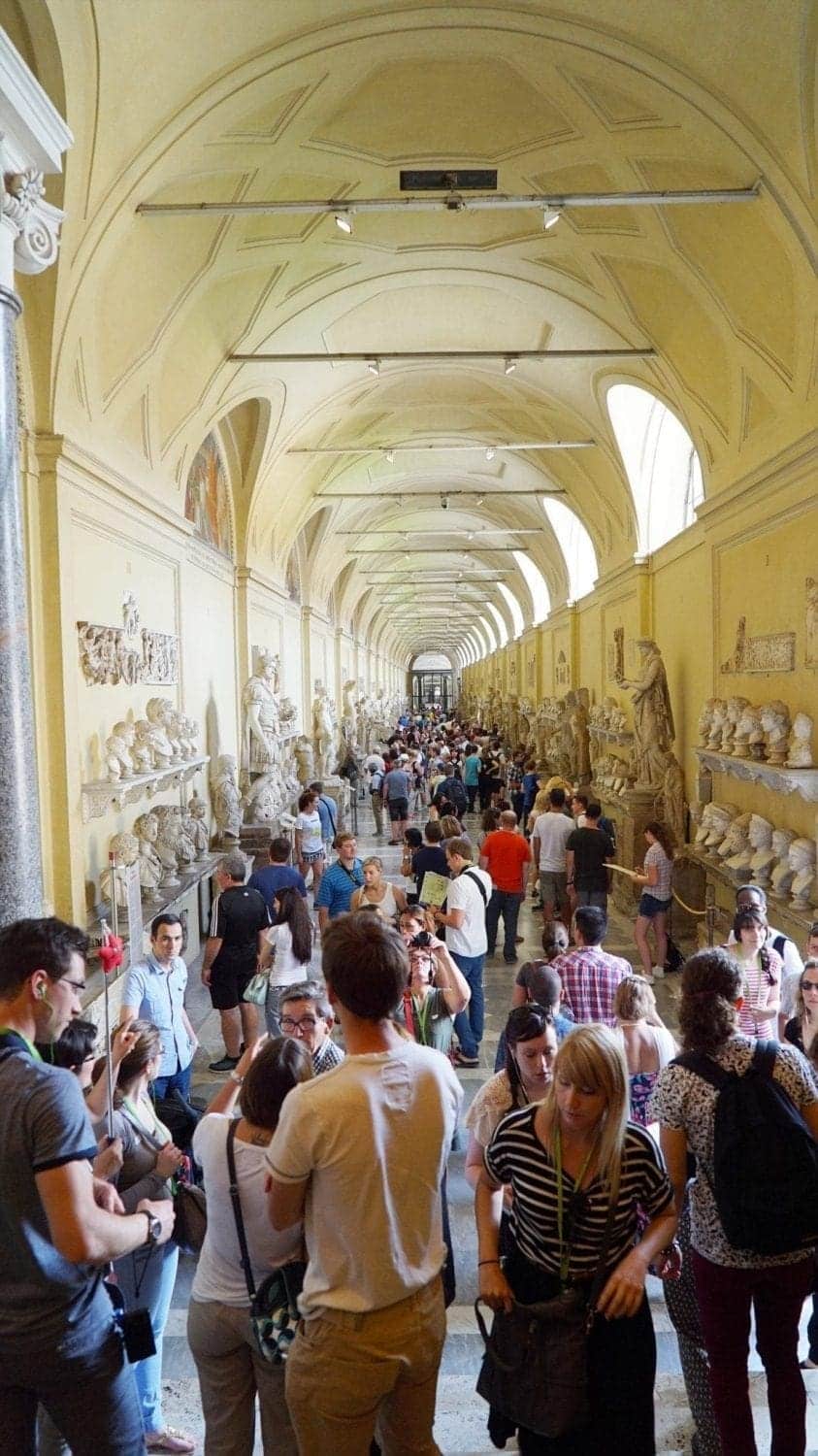
I don’t know what it was about seeing hundreds of stone pieces, but it was cool!
I loved spotting the more unusual expressions on their faces, like this open-mouthed bust.
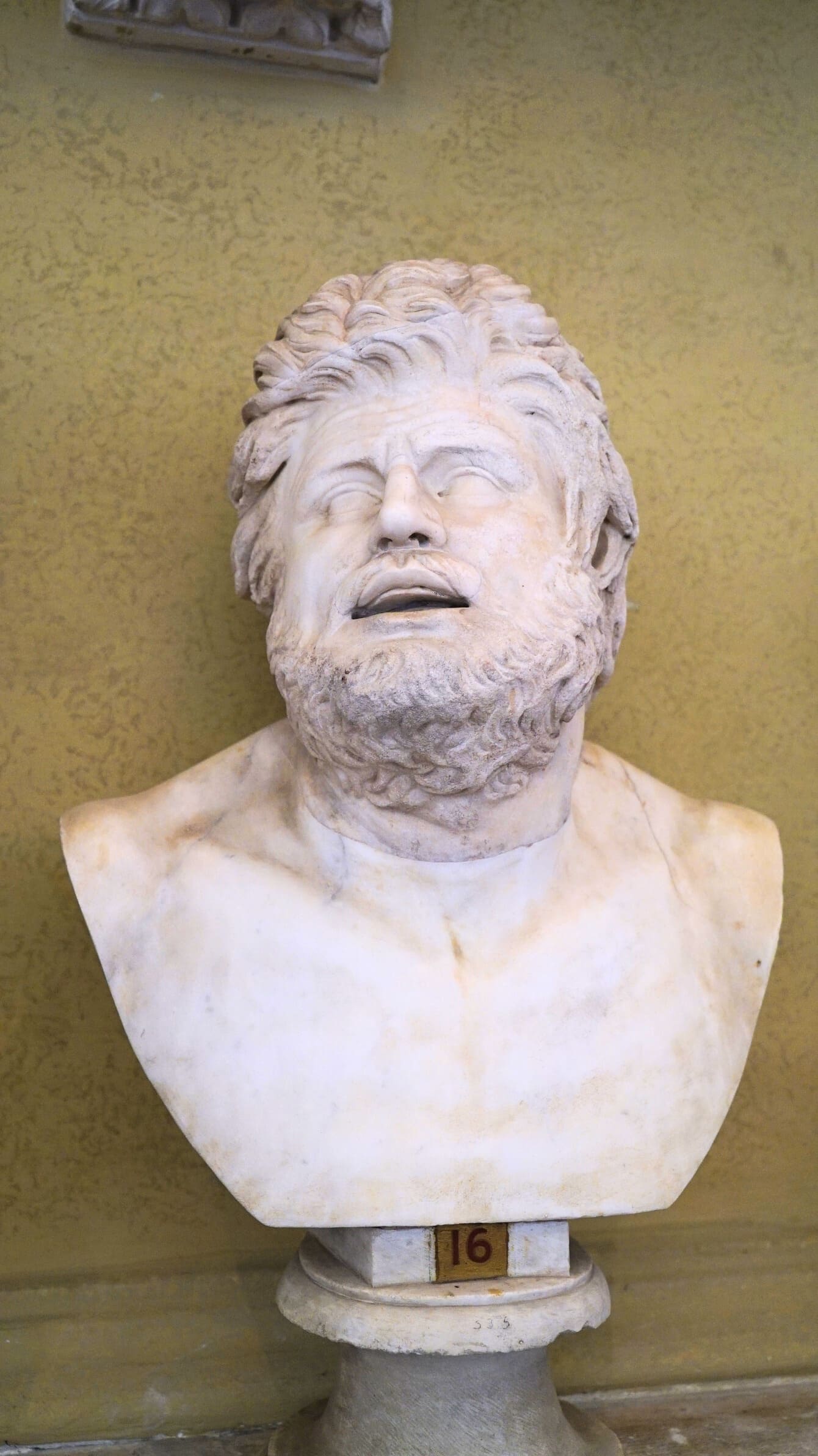
The Chiaramonti Museum has over one thousand antique sculptures on display, so you can certainly spend a good amount of time in here!
It was one of the highlights of my trip to Italy.
The Sistine Chapel
Sadly, the most famous part of my “What to See in the Vatican Museums” list does not allow photographs to protect the precious artwork from harmful camera flashes, so I’ve added a photo from Wikipedia here.
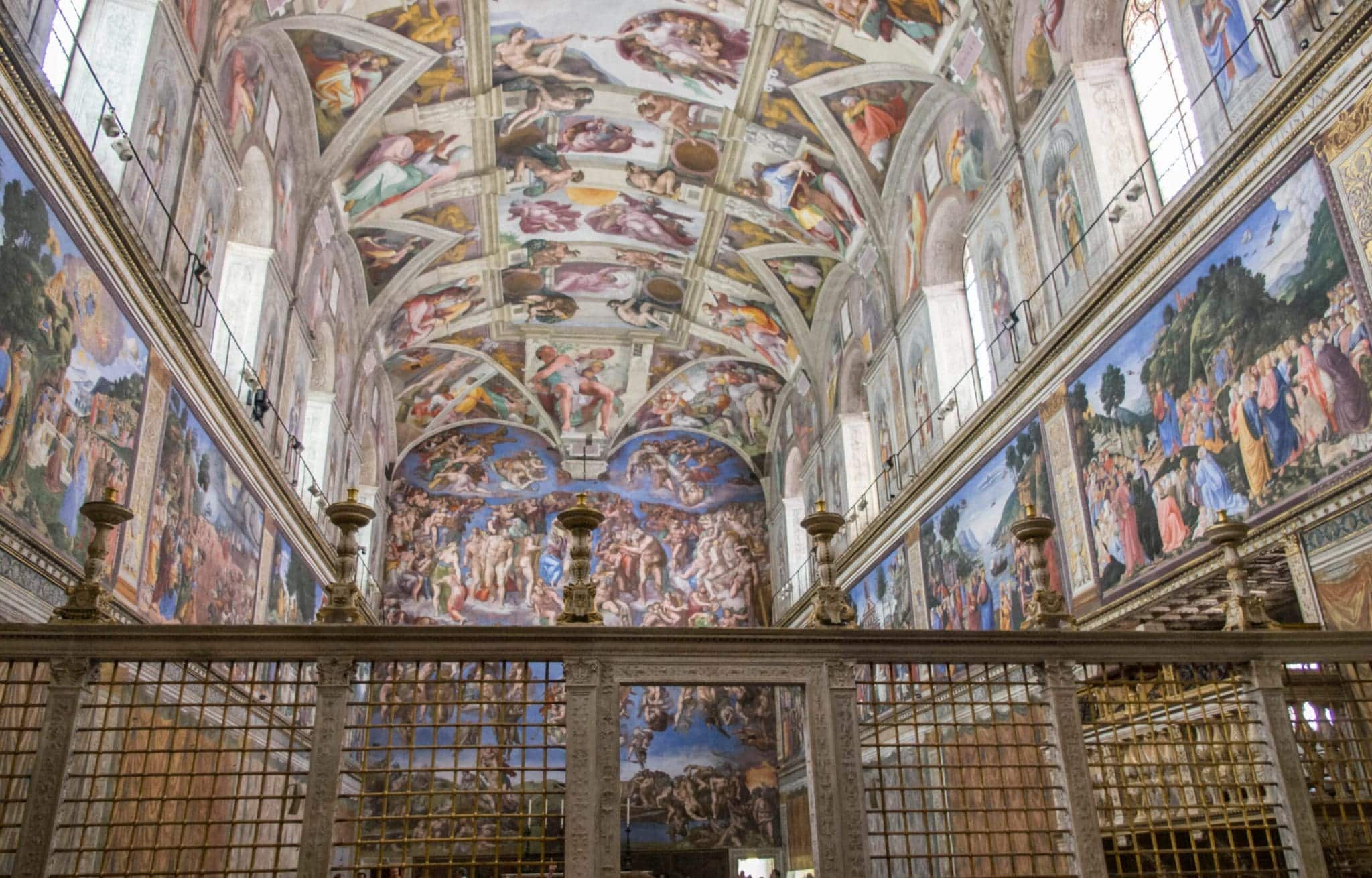
Simply visiting the Vatican Museums just for the Sistine Chapel is worth it, as it’s a massive room filled with such immense artwork.
I could have laid on the floor (had there been room) and stared at it for a solid hour and still not taken it all in.
If you do show up as early as possible, some people have just rushed to it and then backtracked. However, as I warned earlier, you may end up a salmon swimming upstream, as though it’s not enforced; the typical flow ends at the Sistine Chapel.
Additional Areas to Explore
What I’ve shared above are my favorites from the Vatican Museum.
However, there is much, much more to see.
As I alluded to above with the Vatican Library, not all rooms are always available for viewing, and sections may be closed.
One such area I don’t recall seeing on my trip is the famous double spiral staircase (designed by Giuseppe Momo).
What may be open during your visit:
- Gallery of the Tapestries: Massive tapestries depicting scenes from the life of Christ and the life of Pope Urban VIII
- Room of the Immaculate Conception: Celebrates the event with a cycle of frescoes
- Chapel of Urban VIII: Personal chapel within the Apostolic Palace
- Niccoline Chapel: Chapel in the Apostolic Palace, notable for its fresco paintings
- Collection of Modern and Contemporary Art: Houses artwork from van Gogh, Rodin, and others
- Room of the Aldobrandini Wedding: Houses a famous Roman fresco
- Pinacoteca: Features masterpieces by Raphael (famously this “Transfiguration,” which is often considered his final, most divine masterpiece), Leonardo da Vinci, and Caravaggio
- Lapidario Profano ex Lateranense: Collection of stone inscriptions
- Christian Lapidarium: Consists of over two thousand inscriptions
- Ethnological Museum Anima Mundi: 80,000+ artifacts relating to extra-European ethnography (Africa, Americas, Asia, Oceania), prehistoric flints, and Asian coins
- Carriage Pavilion: Impressive collection of exquisite carriages
- Gregorian Etruscan Museum: One of the first expressly dedicated to Etruscan antiques
- Room of the Chiaroscuri: Famous for its chiaroscuro painting technique, which involves using light and dark contrasts to create a dramatic effect
- Borgia Apartment: Suite of rooms in the Apostolic Palace in the Vatican, adapted for personal use by Pope Alexander VI (Rodrigo de Borja)
- Christian Museum: Preserves early Christian artifacts, including 2nd to 6th-century catacomb items, sculptures, and rare paintings
- Profane Museum: “Profane” (here meaning “pagan”) museum houses antiquities from the Roman and Greek eras
- Pius-Christian Museum: Intended to house evidence of the Christian communities of the first centuries
- Jewish Lapidarium: Inscriptions discovered during the excavation of the Jewish catacomb of Monteverde
Why did I skip these?
I knew I’d be visiting quite a few chapels so didn’t feel the need to see every one.
As for the inscriptions, frescoes, and tapestries, they just didn’t allure me enough to make the effort. I had limited time with my 3 days in Rome, so I was going for the highlights, not every inch.
I do wish I’d stopped by the Collection of Modern and Contemporary Art and the Pinacoteca to see works by da Vinci, van Gogh, and Raphael.
Tips for Visiting the Vatican Museums
If you’re looking for something to do afterward, head over to climb St Peter’s Basilica’s dome for an amazing view of Rome!
Please note that if you’re planning to visit the Colosseum or the Roman Forum on the same day as the Vatican, I don’t recommend it, as they aren’t close to one another and the Vatican itself takes a whole day.
Since Vatican City is a full-day commitment on its own, here’s how I’d sequence it if I were doing it again:
- Start with the dome climb early morning while it’s cool and quiet
- Explore the Basilica interior
- Save the mostly-indoor Vatican Museums for the hotter afternoon hours
That’s the reverse of what I did, as I hit the Museums first and climbed the dome at 2 PM in June, which meant doing the narrow spiral staircase in sweltering heat while wearing a long skirt.
| Vatican Museums | St. Peter’s Basilica | Dome Climb | |
|---|---|---|---|
| Cost | €20+ (skip-the-line) | Free | €17 (stairs) / €22 (elevator + stairs) |
| Reservations | Mandatory | Not required | Mandatory, timed entry |
| Time Needed | ~5 hours | 1-2 hours | ~1 hour |
| Highlight | Sistine Chapel | The Pietà, Bernini’s Baldachin | 360° view of Rome |
| Dress Code | Shoulders/knees covered, no hats | Same | Same |
| Best Time | Early morning | Anytime | Early morning or late afternoon (heat/crowds) |
How Do I Get Vatican Museums Tickets?
On my trip, I got the Omnia Vatican and Rome Card, which covered the cost of entering the Vatican Museums.
I actually picked it up just outside the Vatican, which was very convenient.
However, I don’t recommend this tourist pass, as it’s rather costly for the limited benefits.
🖼️ Instead, book a skip-the-line ticket for €20 (adult ticket) + a couple € for skip-the-line access. DON’T forget to book in advance to get the time slot you want, as this is one of the world’s most highly regarded museums! 🎟️
**Prices last verified February 2026
To save a bit of cash, skip hiring the €8 audioguide and download Rick Steves’ tour for free!
For a bit more, you can get a guided tour, which is great if you’re really in a time crunch or don’t prefer reading the informational plaques or listening to the audioguide.
Either way, reservations for Vatican Museums tickets are mandatory to avoid massive, multi-hour lines.
For those with some flexibility, the Vatican Museums offer free admission on the last Sunday of each month, typically from 9:00 AM to 2:00 PM (final entry at 12:30 PM), provided it does not coincide with major holidays like Easter or Christmas.
However, you can expect massive crowds and long waits, as tickets are available only on-site. I don’t recommend it if you’re on a time crunch or desperate to enter, as there is no guarantee.
What is the Vatican Museums’ Dress Code?
I wore a long skirt and covered my shoulders, per the Vatican’s rules of no:
- Sleeveless and / or low-cut garments
- Shorts above the knee
- Miniskirts
- Hats
It was a hot day in Rome (June of 2015), so a long skirt, especially when going upstairs, wasn’t the most comfortable, but rules are rules.
If I were to visit again, I’d have worn light pants instead.
Do note that they enforce these rules: My cousin visited on a trip with her immediate family after my trip and got rejected for wearing a skirt that ended above her knee.
How Long Should I Spend at the Vatican Museums?
After my night in Rome, I began my first full day by visiting Vatican City. Figuring I should get it out of the way right off the bat, as when you go to the Vatican, it’s no small expedition. It’s a tremendous one.
The Museums were my first stop on a tour of the Vatican.
Inside the Vatican Museum are roughly 70,000 works, of which 20,000 are on display, so you could probably spend more than a day there, which is why I’m here to help you answer the question “What to see in the Vatican Museums” so you can plan accordingly.
Get to the Vatican early, as it is a full day’s worth of excitement, but more so because it is a very popular travel destination, and you don’t want to waste time slogging along behind crowds.
The recommended duration for a visit to the Vatican Museums is 5 hours.
This is about the amount of time I spent there; however, you can pick up the pace if needed by skipping some of the galleries.
FAQs
What is the most famous piece in the Vatican Museum?
The most famous piece in the Vatican Museums is the Sistine Chapel, specifically Michelangelo’s ceiling fresco, painted between 1508 and 1512 at the commission of Pope Julius II.
The ceiling depicts nine scenes from the Book of Genesis, including the iconic “Creation of Adam,” in which God’s outstretched finger reaches toward Adam’s.
The chapel also contains Michelangelo’s “The Last Judgment” (1536–1541) on the altar wall.
The chapel is the final room on the Vatican Museums’ mandatory one-way route, meaning every visitor ends their tour there.
Beyond the Sistine Chapel, the Vatican also houses Raphael’s “Transfiguration”—considered his finest and final masterpiece—works by Leonardo da Vinci and Caravaggio in the Pinacoteca, and the Gallery of Maps, one of the most photographed corridors in Rome.
What to wear visiting the Vatican?
To enter the Vatican Museums and St. Peter’s Basilica, shoulders and knees must be covered.
No sleeveless or low-cut garments, no shorts above the knee, no miniskirts, and no hats inside the churches.
These rules are enforced, not just suggested.
My cousin visited with her family after my trip and was turned away for wearing a skirt that ended above the knee.
On a hot Roman summer day, lightweight trousers or a long linen skirt work better than heavy denim.
A loose button-up or light cardigan can cover bare shoulders without overheating.
Some visitors carry a scarf to wrap around their shoulders or waist as needed, especially if combining the Vatican with other sightseeing that day.
The museums are indoors but can get warm from the crowds, so breathable, covered layers are the practical choice, regardless of the dress code.
Comfortable shoes are essential, given the amount of walking required.
Can you take photos in the Vatican Museum?
Yes, photography is allowed throughout most of the Vatican Museums, including the Gallery of Maps, the Pinecone Courtyard, the Egyptian Museum, and the Pio Clementino Museum.
The one significant exception is the Sistine Chapel, where photography of any kind is prohibited to protect the frescoes from light damage.
Guards enforce this rule actively; flash in particular causes cumulative damage to the pigments.
Beyond the Sistine Chapel, there are no restrictions on personal photography for non-commercial use.
Tripods may be restricted in some areas.
The Vatican Museums’ one-way layout means you pass through most galleries in a set sequence. You generally cannot backtrack efficiently, so plan which rooms you most want to photograph as you move through.
Is the Vatican Museum worth it?
Yes, the Vatican Museums are worth visiting. They are one of the most significant art and history collections on earth, and the Sistine Chapel alone justifies the entry price for most visitors.
The museum contains roughly 70,000 works, of which 20,000 are on display across 54 galleries, so even a five-hour visit covers only the highlights.
Standout sections beyond the Sistine Chapel include the Gallery of Maps (40 cartographical representations of Italy, considered the world’s largest pictorial geographical study of the country), the Chiaramonti Museum with over 1,000 antique sculptures, the Gregorian Egyptian Museum, and the open-air Pinecone Courtyard.
Is 3 hours enough for the Vatican Museum?
Three hours is enough only if you’re targeting a few specific highlights and moving quickly, but you’ll miss much of what makes the Vatican Museums special.
The recommended visit duration is 5 hours, which allows time for the Gallery of Maps, the Pio Clementino Museum, the Egyptian Museum, the Chiaramonti Museum, and the Sistine Chapel without rushing.
I spent five hours on my visit and still didn’t reach every open gallery.
If you have only 3 hours, prioritize the Gallery of Maps, the Vatican Library, and the Sistine Chapel, and arrive at opening time to avoid the crowds that significantly slow your pace.
The museum uses a one-way system, so you can’t backtrack efficiently.
Those with very limited time may prefer a guided highlights tour, which keeps you moving and ensures you don’t spend time searching for the must-sees in a complex spanning 54 galleries.
Related Rome Travel Guides
- 3 Big Mistakes I Made While Visiting the Colosseum in Rome
- How to Build a 3 Day Itinerary for Rome Italy
- Omnia Card: Discount Pass for Attractions in Rome
- Reviewing Comics Guesthouse: The Best Hostel in Rome Italy?
- Easy Guide to What to See in the Vatican Museums
- How To See This Remarkable View From St Peter’s Basilica Dome
- 8 Free Things to See at Night in Rome Italy
- Visiting the Roman Forum: Visual Guide to Rome’s Epic Ruins
- What to See in Vatican City: One-Day Itinerary Featuring 8 Sites
Want to remember this? Pin this Easy Guide to What to See in the Vatican Museums article to your favorite Pinterest board!